History of Catholic Old Church In Sikka Maumere Flores Island
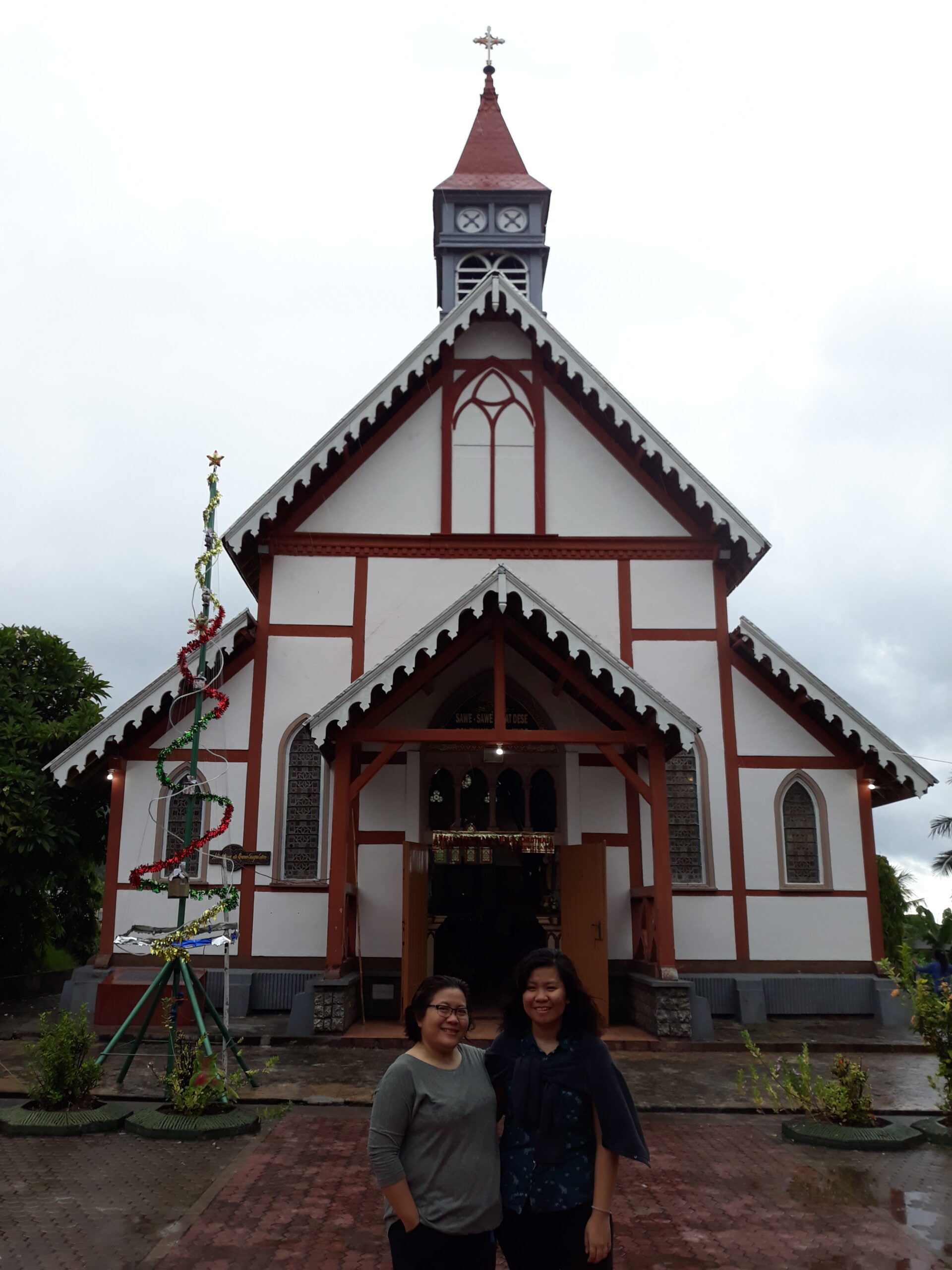
The Sikka old Catholic Church built by a architect that is same like cathedral Church in DKI Jakarta of Indonesia. This old Church has become culture and biosphere by National Of Indonesia which is has a full of historical Value.
Maumere is one of town in Flores Island of East Nusa Tenggara Province. this town has a several of catholic church with average 100 years old. Sikka old church still standing sturdy and still undertake it’s function to serve peoples in doing worship. Until today the influence of Europe culture combine with local Culture of Sikka very visible on the style of architect of its building. the sikka old Church also frequently visited by foreign travelers and Domestic tourist of Indonesia as a religion tourist Destination.
Why the Sikka Old Church so very Amazing?
As one of the historical Church was Saint Ignatius Loyola. local people called this place as “Sikka Old Church” that located in Sikka Village as a exotic shore line in the south of Maumere Town as the capital city of Sikka Regency. Sikka Old Church built by a Pastor From Portuguese, JF. Engbers D’Armanddaville in the years of 1893 assisted by King of Sikka Joseph Mbako Ximenes Da silva. this Church Building was Designed by Pastor Antonius Dijakmans, a architecture that also collaborate in design Cathedral Church in Jakarta.
The architecture of Sikka Old Church is not only follow the style of Renaissance Church and baroque that is spread is Europe Mainland at that time. But also adopted a local culture value by using woods materials of the Church building from Indonesia. such as using material woods of teak, to be holding horses of the roof’s building also poles the its National biosphere and Culture. In total 360 cubic of teak wood directly brought from rain forest of Java Island, carried by big ship to Merauke.
the spirit of Catholic faith make peoples of Sikka and Pastor brought teaks woods from Java Island to Maumere by cargo ship
Shallowness of the shore line Sikka Village make the big cargo ship can not approach the sikka beach. that is why the teaks wood dissolved to the sea water and pulled together by peoples to the shore. not only the teak wood, there are also cement and irons brought along from out side Maumere in the participate in building the old sikka Church. size of the church is 47 meters and wide is 12 meters that is surrounded by the hills and its beach.
If take a look from facial appearance, Sikka Old Church shaped by two layers of cone, on the roof of front building there is 15 meters high ash bell tower with cone roof equipped by cross on the top. the church entrance is protected by teaks and supported by teak structure. to the left and the right of the entrance are tightly closed stained windows of the glass. and in the entrance gate, there are two statue that is 1,5 tall namely the Statue of Saint Ignatius Loyola and saint Joseph
Why sikka village become a place of Portuguese Pastor in built the Church?
Inside of the Sikka Church there is rows of hundreds long bench made by teak wood. but above of bench rows we can see clearly the building tiles of the Church because the roof frame is made without ceiling. there are 16 poles of teak wood using for support the roof pole starting from the front up to the altar. the woods are made curved and connected by formation of conical roof. the wood structure to support this roof then refuted by cross-Shaped wood. all the wood mentioned be painted by yellow color and brown. each side of Church installed 36 woods without glass, above side installed window with small size. around 48 peach with color with color dull yellow. although Sikka old Church mostly built by wood, construction still sturdy although hit by tsunami year of 1992 in Maumere.
In all over the Church wall painted motif “Wenda” which is usually pinned to weaving as typical of Sikka. motif on the wall of church has exist since first time the church been used to mass Christmas evening of 24 December 1899 and still maintained until now. on the altar side there is particular motif in the form of namely weave a greatness clothing of the king shaped like split of ketupat or cake.
the motif of Sikka weaving that paint on the wall of church bring a special Majesty of Catholic and local people of Sikka
This Church has a wide play yard and there is area of burial in the right hand side, in the left hand side there is a rectory building of saint Ignatius Loyola Sikka.
A Numbers of Objects average ages 100 years still neatly stored in this place as like antique candle holder made of brass and archive of old missals that still stored in the parish secretariat. there is also the statue of the Jesus Cross inheritance of Da silvia King that every good Friday paraded by people around village in the ritual of Logu senhor.
Finally The Majesty, the spirit of Catholic Imprinted in the soul of local people and Sikka Old Church bring a evidence that catholic Church will ever lasting on Flores Island
the ritual of Logu shelor that have a become tradition become a special interesting in Sikka . according to the local stories king believe that by King’s relic cross of the Sikka King, able to drive away plague of death and the disease outbreak that hit the Sikka.
The old sikka Church has a become a one of the interesting tourism destination on Flores Island especially in Sikka Regency. the existence of the hundred years old Church, need to be continuously preserved considering importance of historical value contained in the Sikka old Church
to visit the Sikka old Church in Sikka Regency of Flores Island, you can contact our Travel company if you would like to book the sikka old Church in www.komodopadartour.com



 English
  Arabic
  Chinese
  French
  German
  Italian
  Korean
  Russian
  Spanish
  Indonesian