
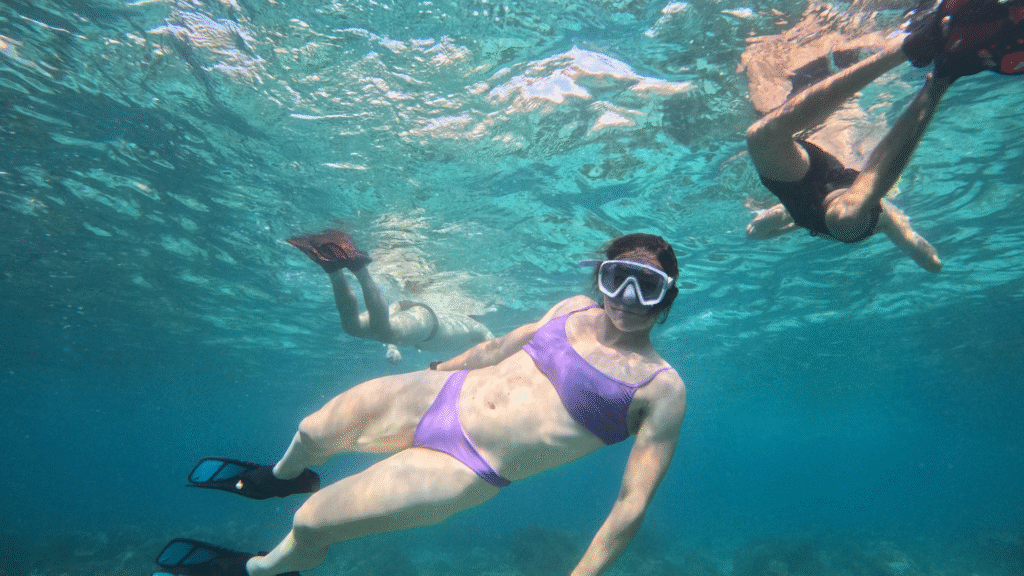
Komodo National Park Diving offers an opportunity to explore one of Indonesia’s most diverse marine environments. Although the national park is internationally known for Komodo dragons, its waters attract divers from around the world because of colorful coral reefs, manta rays, sea turtles, tropical fish, and dramatic underwater landscapes.
Located around Labuan Bajo, the park provides diving experiences for different levels of divers. However, some sites have strong currents, so choosing the right dive location and experienced local guides is important.
Why Dive in Komodo National Park?
The marine environment around Komodo is supported by nutrient-rich waters. These conditions help create healthy coral reefs and attract a wide variety of marine species.
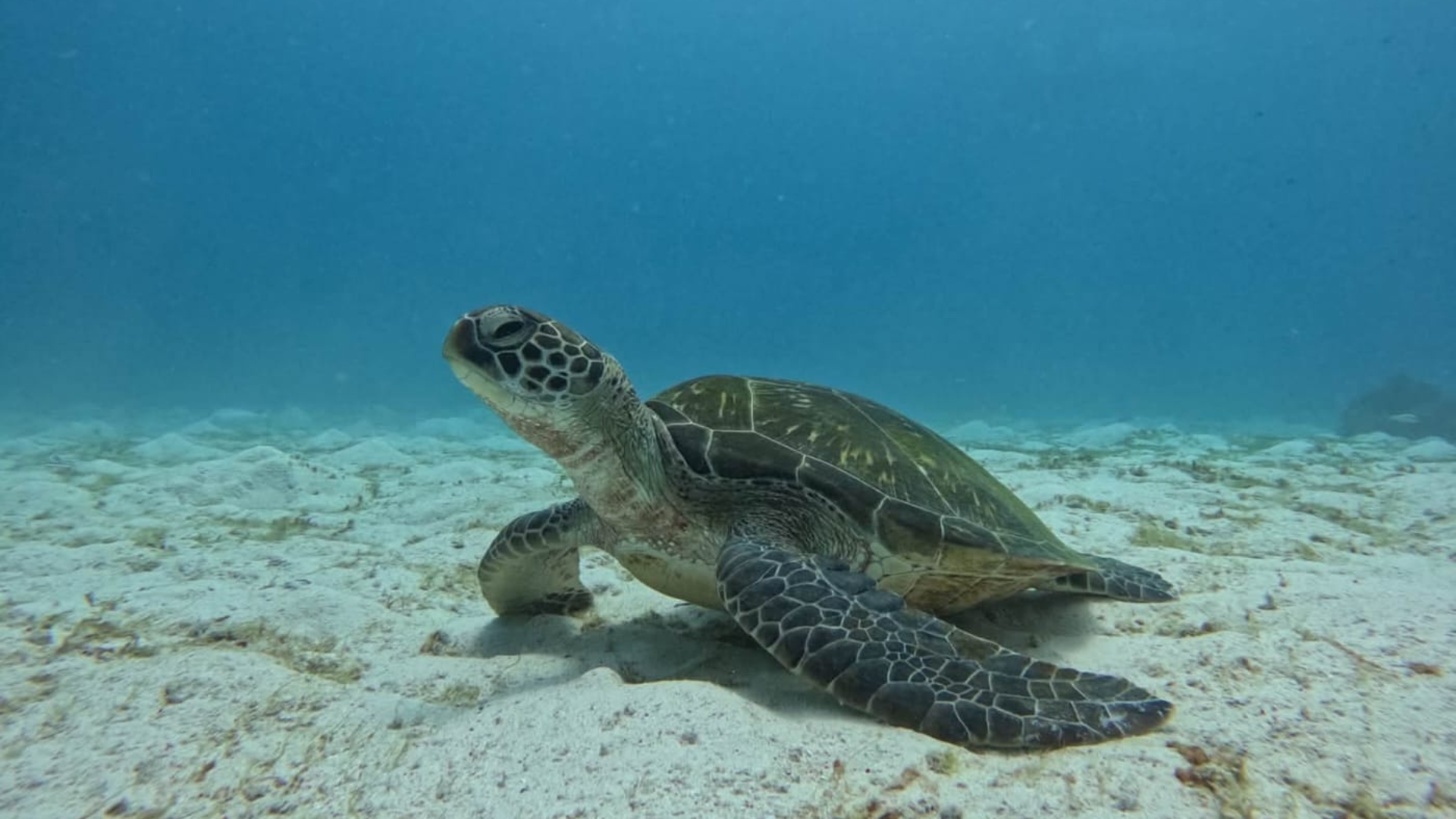
During a dive, you may see schools of reef fish, colorful corals, turtles, reef sharks, nudibranchs, and manta rays.
One of the advantages of Komodo National Park diving is the variety of underwater environments. You can explore coral gardens, underwater walls, channels, and current-driven sites during the same trip.
Each dive can therefore provide a different experience.
Famous Diving Spots in Komodo
The national park has numerous locations that are popular among divers.
Some well-known Komodo dive sites include:
- Manta Point
- Batu Bolong
- Batu Kastil
- Batu Kristal
- Tatawa Besar
Manta Point is associated with manta ray encounters, while Batu Bolong is known for colorful coral and abundant reef fish.
Castle Rock and Crystal Rock can provide exciting experiences for experienced divers because of their currents and marine life.
The actual sites visited depend on weather, sea conditions, visibility, and the experience level of the diving group.
Manta Ray Diving
Manta rays are one of the biggest attractions for people searching for manta ray diving in Komodo.
At suitable locations, divers may see manta rays moving through the water or gathering around cleaning areas.
Watching these large animals underwater can be an unforgettable experience.
However, manta sightings are never guaranteed. They are wild animals, so divers should avoid touching, chasing, or blocking their movements.
A responsible encounter allows you to enjoy the experience while minimizing disturbance to the animals.
Strong Currents and Drift Diving
Komodo is also famous for its strong currents.
These currents bring nutrient-rich water into the national park and help support its marine biodiversity. They can also create excellent conditions for drift diving.
However, strong currents can be challenging.
Divers should understand their own abilities and follow the instructions of their guides. Certain locations are more appropriate for experienced divers with good buoyancy control and current experience.
If you are a beginner, tell the dive operator about your certification and diving history before choosing an itinerary.
Diving for Beginners
Not every dive site in Komodo is difficult.
Some locations can be suitable for recreational divers and beginners when conditions are appropriate.
A professional dive operator can recommend locations based on your certification, previous dives, and comfort level.
Beginners should not feel pressured to visit a challenging site simply because it is famous.
Choosing a suitable location can make the experience more enjoyable and safer.
Diving for Experienced Divers
Experienced divers have more opportunities to explore challenging areas.
Some sites offer stronger currents, deeper dives, and exciting encounters with larger marine species.
For experienced divers, a Komodo diving trip can include multiple locations over several days.
A liveaboard is particularly useful because you can stay close to the dive sites and spend more time exploring underwater.
Day Trip or Liveaboard?
Travelers with limited time can choose a day diving trip from Labuan Bajo.
You can depart in the morning, visit selected dive sites, complete your dives, and return to town later in the day.
For a longer experience, a Komodo diving liveaboard allows you to stay onboard for several days.
The boat can move between different parts of the national park while divers explore several locations.
This option is especially attractive for travelers whose main goal is to experience as many dive sites as possible.
Best Time for Diving
Itu best time to dive in Komodo depends on the area and conditions you want to experience.
Water visibility, currents, temperature, and weather can change throughout the year.
Some sites may have stronger currents during certain periods, while other locations can offer different marine encounters.
For this reason, check recent local conditions before your trip rather than relying only on general seasonal information.
A flexible itinerary is also useful because dive sites may change according to conditions on the day.
What Should You Bring?
Before joining a diving trip, prepare the equipment and personal items you need.
Useful items include:
- Diving certification
- Dive computer
- Mask and fins
- Wetsuit
- Rash guard
- Tabir surya
- Dry bag
- Personal medication
- Underwater camera
If you plan to rent equipment, confirm the available equipment and sizes before departure.
For overnight trips, pack lightly because boat storage can be limited.
Combine Diving With Other Activities
One advantage of Komodo National Park diving is that you can combine underwater activities with land-based adventures.
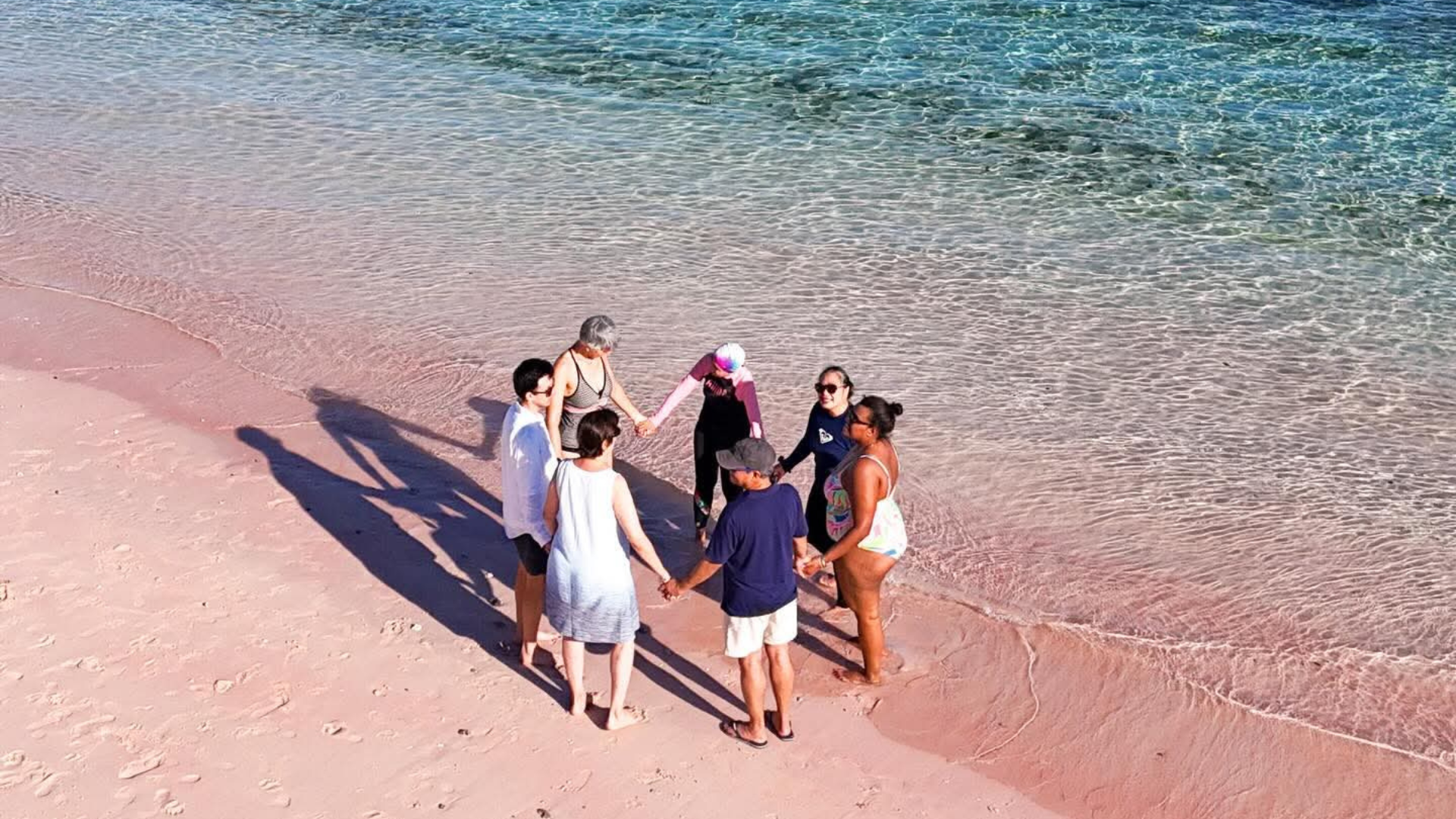
Depending on the itinerary, travelers may visit Padar Island, Pink Beach, Komodo Island, or other destinations.
This is useful for groups where not everyone wants to dive.
While some travelers explore underwater sites, others can enjoy snorkeling, hiking, beaches, or wildlife experiences.
You can also continue your journey through Flores after returning to Labuan Bajo.
Protect the Marine Environment
Responsible diving is essential in Taman Nasional Komodo.
Avoid touching coral, feeding marine animals, collecting shells, or leaving rubbish in the water.
Good buoyancy control also helps prevent accidental contact with fragile coral reefs.
Following local diving guidelines protects the underwater environment and helps preserve it for future visitors.
Kesimpulan Akhir
Komodo National Park Diving combines rich marine biodiversity with spectacular tropical scenery.
From manta rays and colorful coral reefs to strong-current dive sites, the national park offers different experiences for beginners and experienced divers.
Whether you choose a day trip or a multi-day liveaboard, select locations that match your experience and remain flexible about weather and sea conditions.
Planning your diving adventure? Visit komodopadartour.com to explore private Komodo tours, boat trips, sailing experiences, and customized travel around Flores.
Additionally, visit komodolabuanbajoproperty.com to explore real estate and investment opportunities in Labuan Bajo, a growing tourism destination in Indonesia.

 English
  Arabic
  Chinese
  French
  German
  Italian
  Korean
  Russian
  Spanish
  Indonesian