
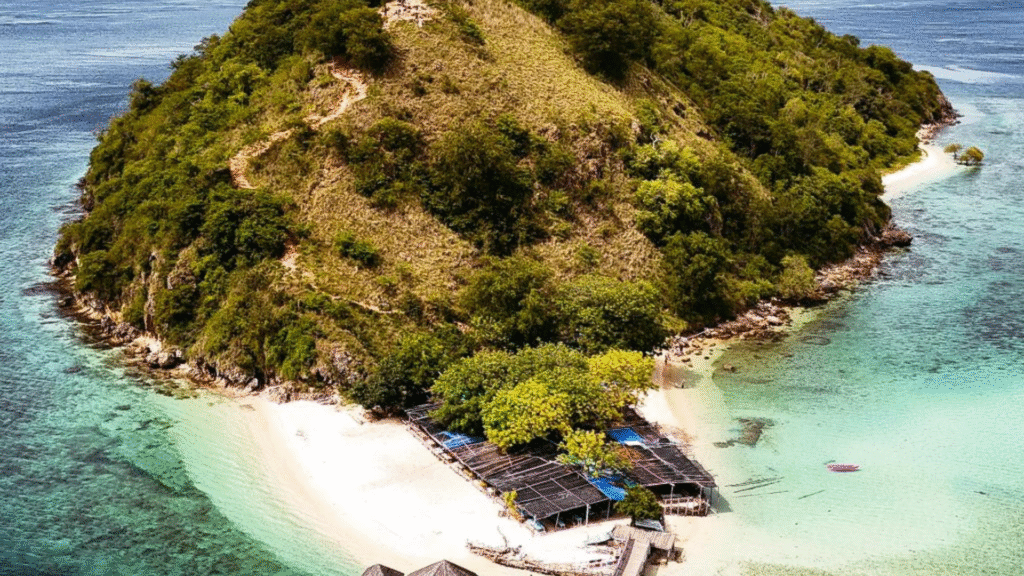
The story of Komodo — and the legendary creatures that inhabit its islands — is a fascinating tale that blends natural evolution, scientific discovery, and global conservation efforts. Located in the Kepulauan Sunda Kecil of eastern Indonesia, Komodo and its surrounding islands have become globally famous for being the sole home of the awe-inspiring Komodo and one of the world’s richest natural ecosystems.
Early Recognition and Nature Reserve Status
Although stories and local knowledge about giant lizards on these islands existed for centuries among indigenous communities, the wider world didn’t recognize Komodo’s special inhabitants until the early 20th century. European scientists and explorers first documented the Komodo dragon in the early 1900s, bringing scientific interest to this remote corner of Indonesia.
Komodo Island itself was first declared a nature reserve in 1965, reflecting early understanding that its unique wildlife needed protection. Parts of nearby Rinca and Padar islands were also designated as protected areas in the decades that followed as awareness of the region’s ecological value grew.
Establishment of Komodo National Park
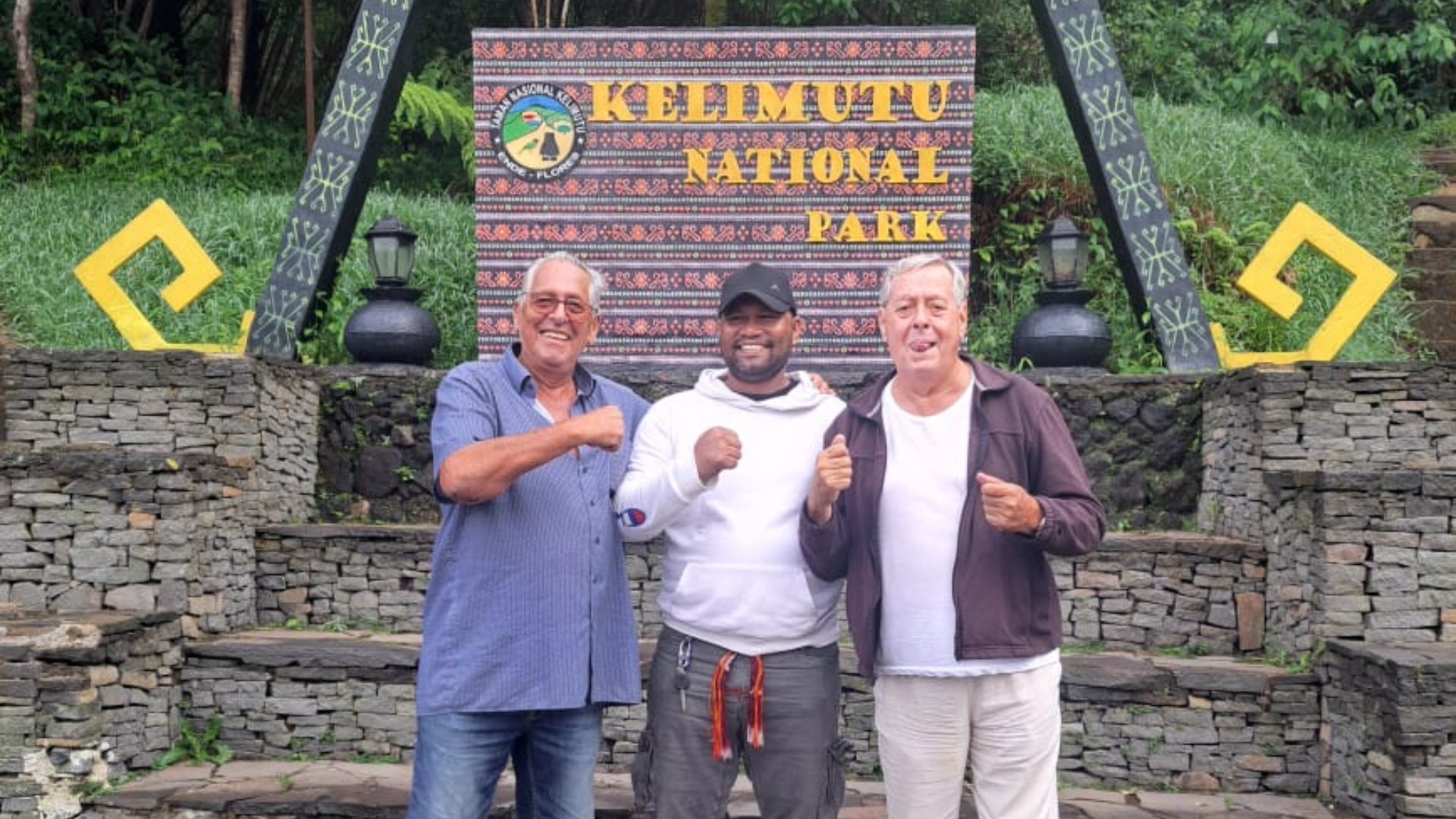
Recognizing the importance of safeguarding the iconic Komodo (Varanus komodoensis) and the unique ecosystems of the surrounding islands and seas, the Indonesian government formally established Taman Nasional Komodo di dalam 1980. This protected area includes three major islands — Komodo, Rinca, and Padar — along with numerous smaller islands and extensive marine zones.
The park’s creation marked a major milestone in conservation, ensuring a system of protection for not only Komodo dragons but also diverse wildlife species and some of the richest coral reefs on Earth. The marine area surrounding these islands also supports hundreds of fish and coral species, attracting divers and eco-tourists from around the world.
UNESCO & Global Recognition
Di dalam 1991, Komodo National Park received Situs Warisan Dunia UNESCO status in recognition of its outstanding natural values — both terrestrial and marine. This designation helped bring international attention to the region and highlighted its role as a global biodiversity hotspot.
Later, the park was also designated an ASEAN Heritage Park — an acknowledgment of its significance within Southeast Asia — and was recognized for its unique biodiversity and conservation importance.
Komodo Dragons and Scientific Interest
The Komodo dragon — the largest extant species of lizard in the world — is central to the park’s history and allure. These remarkable reptiles can grow over 3 meters (about 10 feet) long and are endemic to this small area of Indonesia, with populations mostly found on Komodo Island, Rinca Island, and a few neighboring islets.
Scientists are intrigued not just by their size and behavior, but also by their evolutionary origins: research suggests that ancestors of these lizards migrated to these islands from mainland regions during periods of lower sea levels, leading to a unique isolated evolution.
Human Presence and Cultural Context
Long before scientific interest, humans had already inhabited the islands. Archaeological evidence hints at ancient human presence in the wider region long before the establishment of the national park. Over time, villages developed around the park’s islands, including Komodo and Rinca, where communities lived alongside the dragons in a mostly peaceful coexistence.
Today, people living around Komodo National Park come from diverse ethnic backgrounds, including migrants from nearby regions of Indonesia. These communities are increasingly involved in ecotourism and conservation, helping protect the park’s natural and cultural heritage.
Conservation and Challenges
Over decades, conservation work has expanded beyond protecting a single species to protecting broad ecological systems — from forested hills to the deep coral reefs. However, challenges remain. Threats such as habitat pressure, human activity, and climate change continue to require careful management and sustainable tourism practices to ensure that Komodo National Park’s biodiversity thrives for generations to come.
Rasakan petualangan seumur hidup — pesan paket wisata Taman Nasional Komodo Anda sekarang juga di komodopadartour.com


 English
  Arabic
  Chinese
  French
  German
  Italian
  Korean
  Russian
  Spanish
  Indonesian