
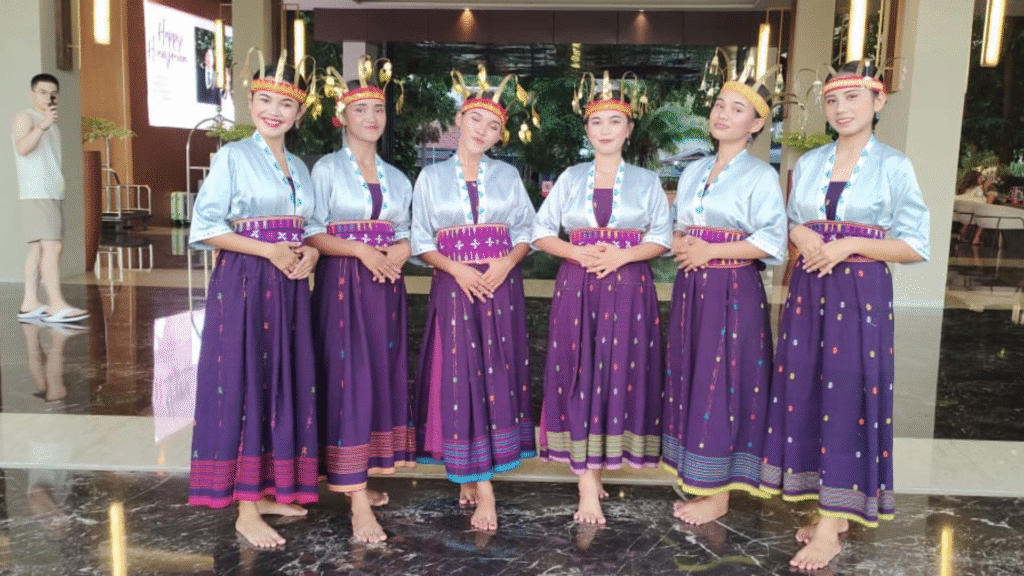
Komodo National Park in East Nusa Tenggara, Indonesia, is a world-renowned tourism destination — known for its natural beauty, unique wildlife, and vibrant local culture. However, behind the region’s tourism success lies a persistent challenge of gender inequality that affects women’s participation and empowerment within the tourism sector.
Purpose and Approach of the Study
A qualitative study conducted in Komodo Village on Komodo Island sought to investigate how women are affected by gender injustice in the tourism industry surrounding Komodo National Park. The research involved interviews with local women workers, government officials, tourism operators, and community leaders — selected through purposive sampling — to understand women’s experiences and access to tourism opportunities.
Temuan Utama
The study revealed several dimensions of gender inequality in the local tourism sector: Taman Nasional Komodo
1. Limited Access to Tourism Opportunities
Women in Komodo Village face restricted access to meaningful roles in tourism. Their participation is often limited to informal and low-income jobs, such as selling food at roadside stalls, rather than positions with greater visibility or economic benefit.
2. Low Participation in Decision-Making
Despite their presence in the industry, women are rarely involved in decision-making processes related to tourism planning, management, or policy. Leadership roles and influential positions remain predominantly occupied by men.
3. Unequal Distribution of Benefits
Men tend to benefit more economically from tourism associated with Komodo National Park, while women receive a smaller share of the income and opportunities derived from the sector. This economic disparity reflects broader structural inequalities.
4. Forms of Gender Injustice Experienced
Women reported experiencing various forms of gender injustice, including:
- Marginalization, where women are pushed to the periphery of tourism work;
- Subordination, where women’s roles and contributions are undervalued;
- Stereotyping, in which traditional gender norms assign women to low-status tasks;
- Double burden, where women must balance both paid tourism work and household responsibilities; and
- Violence or harassment related to unequal power dynamics.
Broader Context and Implications
The challenges identified in Komodo Village reflect wider patterns of gender inequality in tourism, where women often hold a large share of the workforce but remain underrepresented in leadership and high-income roles. Globally, women make up a majority of tourism employment, but frequently occupy lower-paid positions and are less visible in managerial roles — a pattern documented in international tourism research.
Persistent gender stereotypes — shaped by cultural norms and patriarchal expectations — contribute to this imbalance. Even when women participate actively in tourism, traditional roles and limited access to resources can restrict their economic and social mobility.
Towards Gender-Balanced Tourism Development
Addressing gender inequality in tourism requires coordinated efforts from policymakers, community leaders, and industry stakeholders. Key strategies include:
- Promoting gender-inclusive development policies that prioritize women’s leadership and access to higher-value roles;
- Providing training and capacity-building programs to strengthen women’s skills and competitiveness in tourism management;
- Challenging stereotypes through community education and advocacy to support women’s full participation and recognition in the sector;
- Implementing monitoring and evaluation systems that track progress on gender equality outcomes over time.
Such approaches can help ensure that the economic benefits of tourism are shared equitably and that women are empowered as active contributors to sustainable development around Komodo National Park
Looking for a well-organized and unforgettable trip? Our Komodo tour packages are designed just for you — book now




 English
  Arabic
  Chinese
  French
  German
  Italian
  Korean
  Russian
  Spanish
  Indonesian