

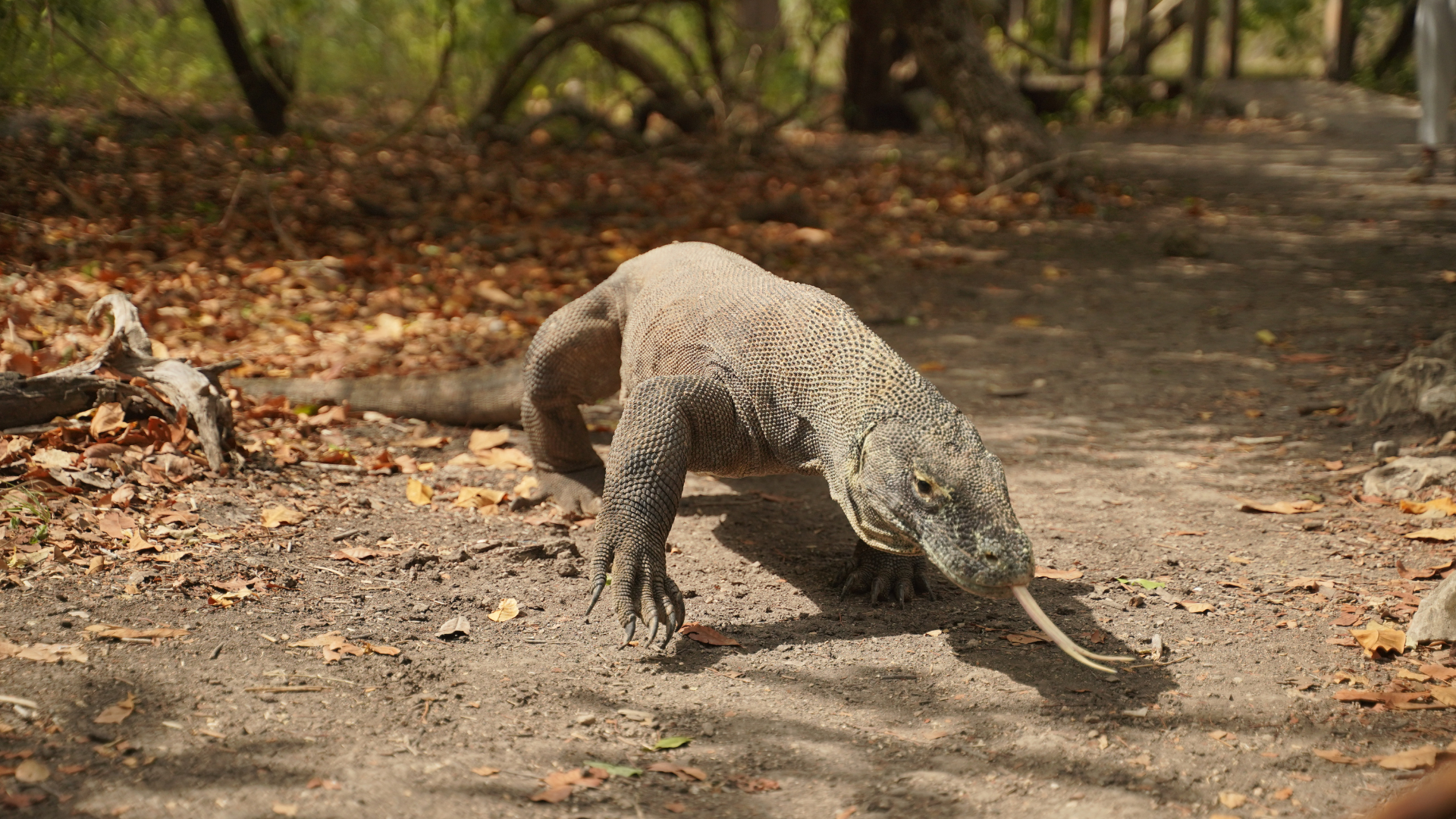
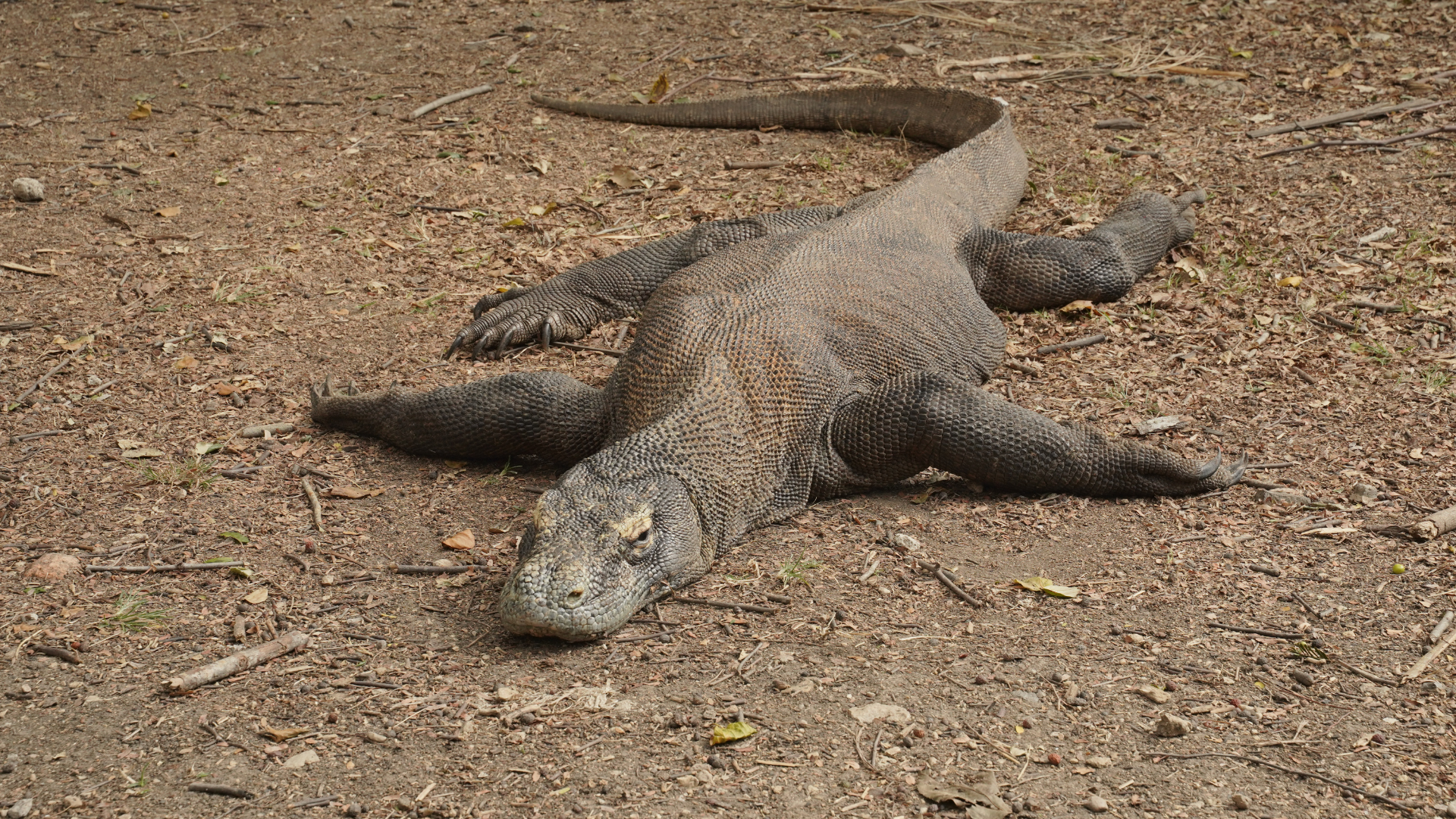
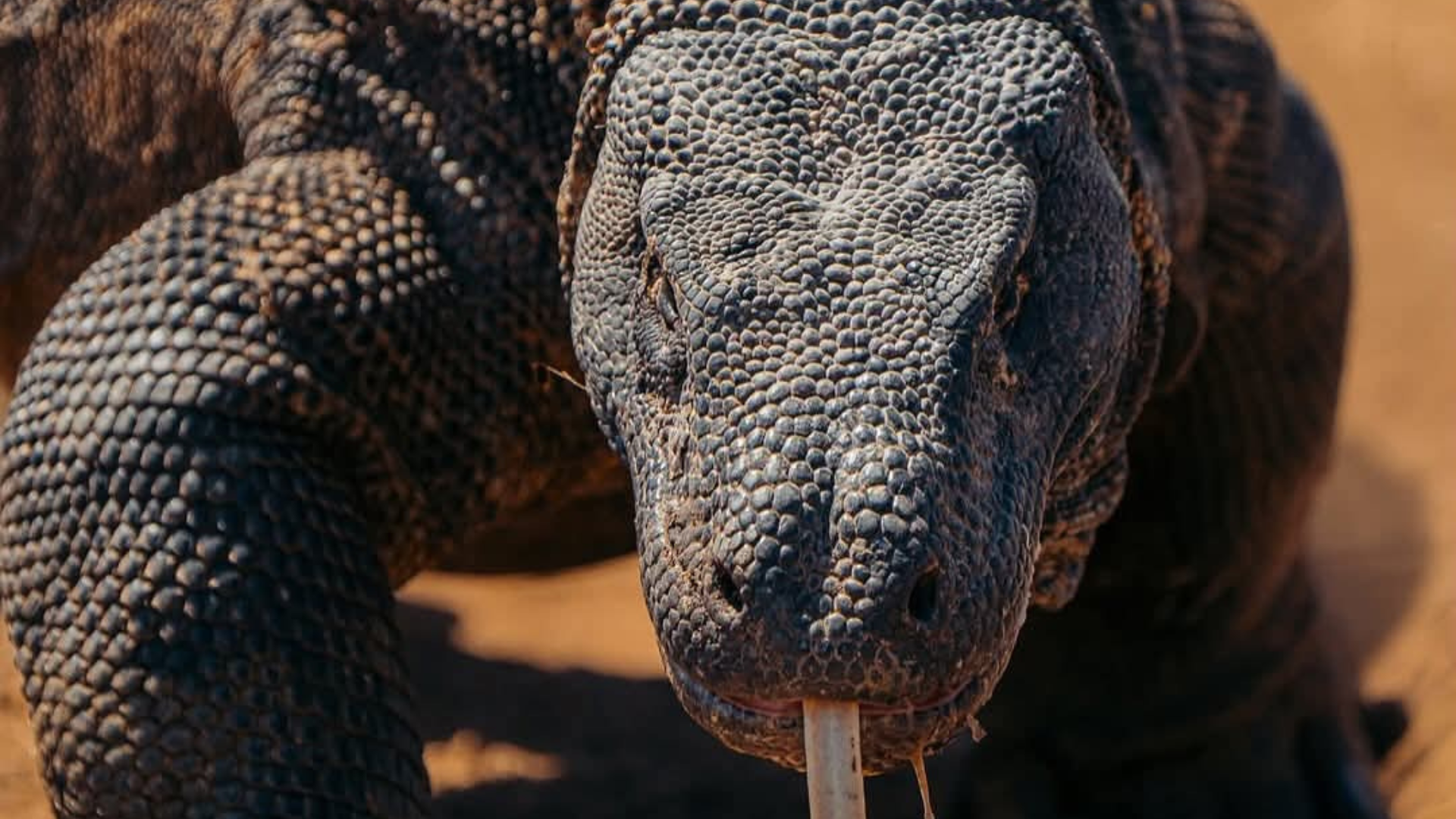
Komodo-Nationalpark is one of Indonesia’s and the world’s most important conservation areas, renowned as the native habitat of the Komodo dragon (Varanus komodoensis). This area not only protects this rare species, but also encompasses rich terrestrial and marine ecosystems. One key reference for managing this area is the Ecological History Guide Book 3, which focuses on park management and conservation strategies.
Park Objectives and Management
This guide explains how Komodo-Nationalpark has been managed since its establishment in 1980 to ensure the survival of the Komodo dragon population and its habitat. The main management objectives include:
- Protecting and conserving plant and animal species, both on land and in the sea.
- Ensuring sustainable Komodo dragon populations and quality habitats.
- Preserving fish stocks and important marine organisms to support ecological balance.
- Supporting education, research, and sustainable tourism.
- Enhancing local community welfare through responsible resource use.
Park management is carried out by the Komodo Park Authority under Indonesia’s Ministry of Environment and Forestry, working with local communities, NGOs, research institutions, and the private sector.
Key Issues in Resource Use
The book also discusses various challenges in resource utilization within the park, both in the sea and on land:
- Marine resources: pressures from fishing activities, illegal fishing, and potential damage to coral reefs.
- Terrestrial resources: threats to vegetation, disturbances to wildlife, and land-use conflicts with local communities.
These issues require a balanced management approach that considers both conservation and local community needs, ensuring that natural resources are used sustainably
Sustainable Livelihood Alternatives
To support local community welfare while maintaining ecosystem sustainability, the guide proposes several alternative livelihoods, einschließlich:
- Pelagic fishing that does not damage marine habitats.
- Seaweed cultivation as a source of income without extracting directly from the wild.
- Fish farming in cages/ponds, to reduce pressure on wild fish stocks.
These approaches are meant to offer sustainable economic choices for residents and reduce dependence on practices that harm ecosystems.
Park Zoning
A key strategy in management is zoning, or dividing the park into zones based on function and allowable activities. Each zone has specific rules regarding activities:
- Core zone: strictly protected area for research and monitoring.
- Forest zone: limited for research, education, and restricted tourism.
- Tourism utilization zone: open for tourism with strict rules to avoid ecosystem disturbance.
- This zoning approach helps balance conservation, education, research, and responsible use.
Abschluss
Der Ecological History Guide Book 3 provides a comprehensive overview of how Komodo-Nationalpark is managed ecologically and sustainably. This includes species and habitat protection, resource use regulation, support for sustainable livelihood activities, and systematic zoning of the park. With this approach, the national park aims to continue serving as an effective example of conservation management in Indonesia.
🔥 Warum bei uns buchen?
✔ Expert local guides
✔ Daily departures and flexible itineraries
✔ Multiple packages: 1‑day tours, multi‑day cruises, private and shared options
✔ Visit iconic destinations like Padar Island, Pink Beach, Komodo Island, Manta Point, und mehr Komodo Padar Tour.

 English
  Arabic
  Chinese
  French
  German
  Italian
  Korean
  Russian
  Spanish
  Indonesian