
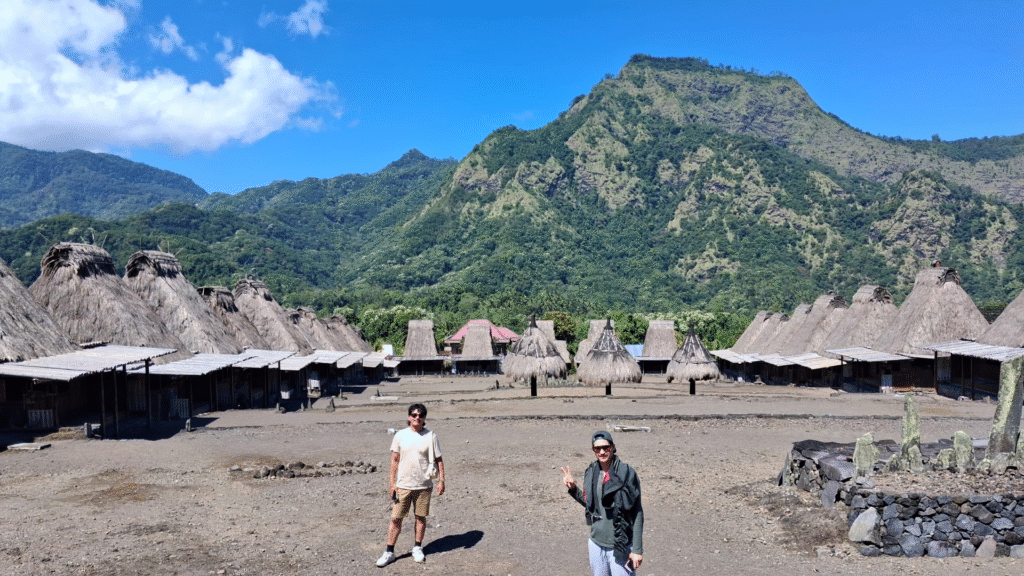
Flores is widely known for its spectacular landscapes, but the island is equally famous for its traditional communities. Visiting the Traditional Villages in Flores allows travelers to experience authentic architecture, local customs, and centuries-old traditions that continue to shape daily life.
Unlike modern tourist attractions, these villages preserve their unique identity while warmly welcoming visitors who wish to learn about Flores’ rich cultural heritage.
Whether you’re exploring the mountains of Manggarai or the highlands of Ngada, every village tells a different story.
1. Wae Rebo Village
One of the most famous traditional villages in Indonesia is واي ريبو.
Hidden high in the mountains of western Flores, this remote village is known for its distinctive cone-shaped houses called Mbaru Niang. Reaching Wae Rebo requires a rewarding trek through tropical forest, making the journey part of the experience.
Visitors can learn about local customs, enjoy traditional hospitality, and spend the night in one of the village’s remarkable houses.
2. Bena Traditional Village
Located near Bajawa, قرية بينا is one of the oldest settlements in Flores.
The village features traditional Ngada houses arranged around ceremonial stone monuments that continue to play an important role in community life.
Walking through Bena offers insight into local beliefs, ancestral traditions, and architectural styles that have been preserved for generations.
3. Luba Village
Another cultural highlight is Luba Village.
Although smaller than Bena, Luba provides a peaceful atmosphere where visitors can observe traditional houses, family compounds, and everyday village life surrounded by beautiful mountain scenery.
Its quiet setting makes it an excellent destination for travelers seeking authentic cultural experiences.
4. Experience Local Traditions
Traditional villages are more than historic sites.
They are living communities where ceremonies, weaving, farming, and family traditions continue to shape daily life. Depending on the season, visitors may have the opportunity to witness cultural celebrations or observe artisans producing beautiful handwoven ikat textiles.
These experiences provide a deeper understanding of فلوريس beyond its natural attractions.
5. Respect Local Communities
Responsible tourism plays an important role when visiting traditional villages.
Travelers are encouraged to dress respectfully, ask permission before photographing local residents, and follow guidance provided by village leaders or local guides.
Supporting local communities through entrance fees, handicraft purchases, and local guides also helps preserve these remarkable cultural destinations.
6. Combine Culture with Nature
One of the advantages of visiting Flores is that cultural experiences can easily be combined with natural attractions.
Many itineraries include traditional villages alongside destinations such as Kelimutu National Park, Ruteng, Bajawa, and منتزه كومودو الوطني, creating a balanced journey between culture and adventure.
This combination makes every Flores holiday more rewarding.
7. Create Lasting Memories
Visiting traditional villages is often one of the most memorable parts of a Flores Tour.
Meeting local families, learning about ancestral customs, and experiencing authentic village life creates meaningful memories that cannot be found in large cities or modern resorts.
These genuine cultural encounters are what make Flores truly special.
Explore the Traditional Villages in Flores
The traditional villages of Flores preserve the island’s cultural identity while offering visitors authentic and unforgettable experiences. From the famous mountain village of Wae Rebo to the historic settlement of Bena, each destination reveals another chapter of Flores’ remarkable heritage.
Planning your cultural journey? Visit komodopadartour.com to discover customized Flores cultural tours, private overland adventures, village experiences, and unforgettable holidays across Flores and Komodo National Park.
Additionally, visit komodolabuanbajoproperty.com to explore premium investment opportunities and real estate in Labuan Bajo, one of Indonesia’s fastest-growing tourism destinations.


 English
  Arabic
  Chinese
  French
  German
  Italian
  Korean
  Russian
  Spanish
  Indonesian