
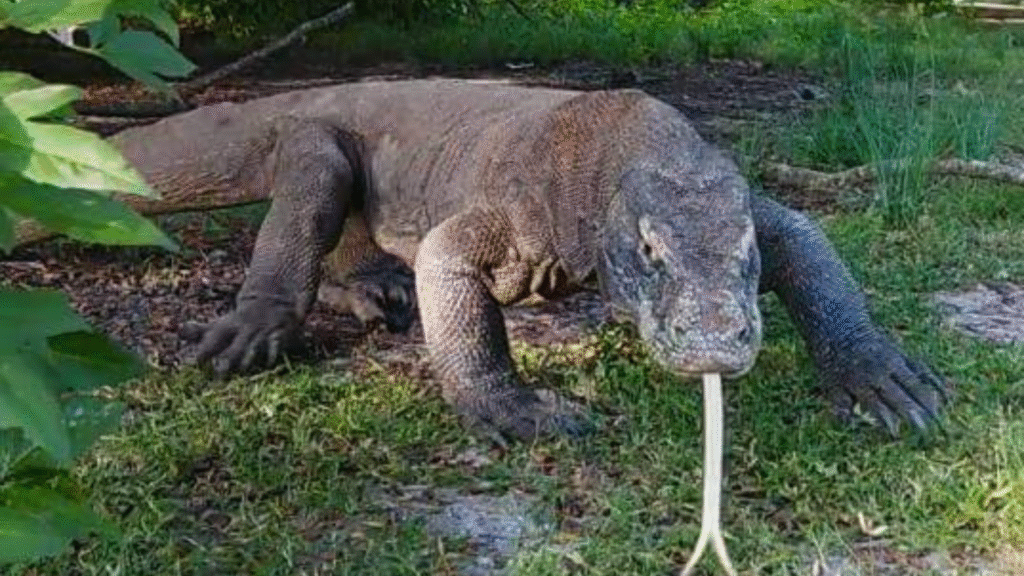
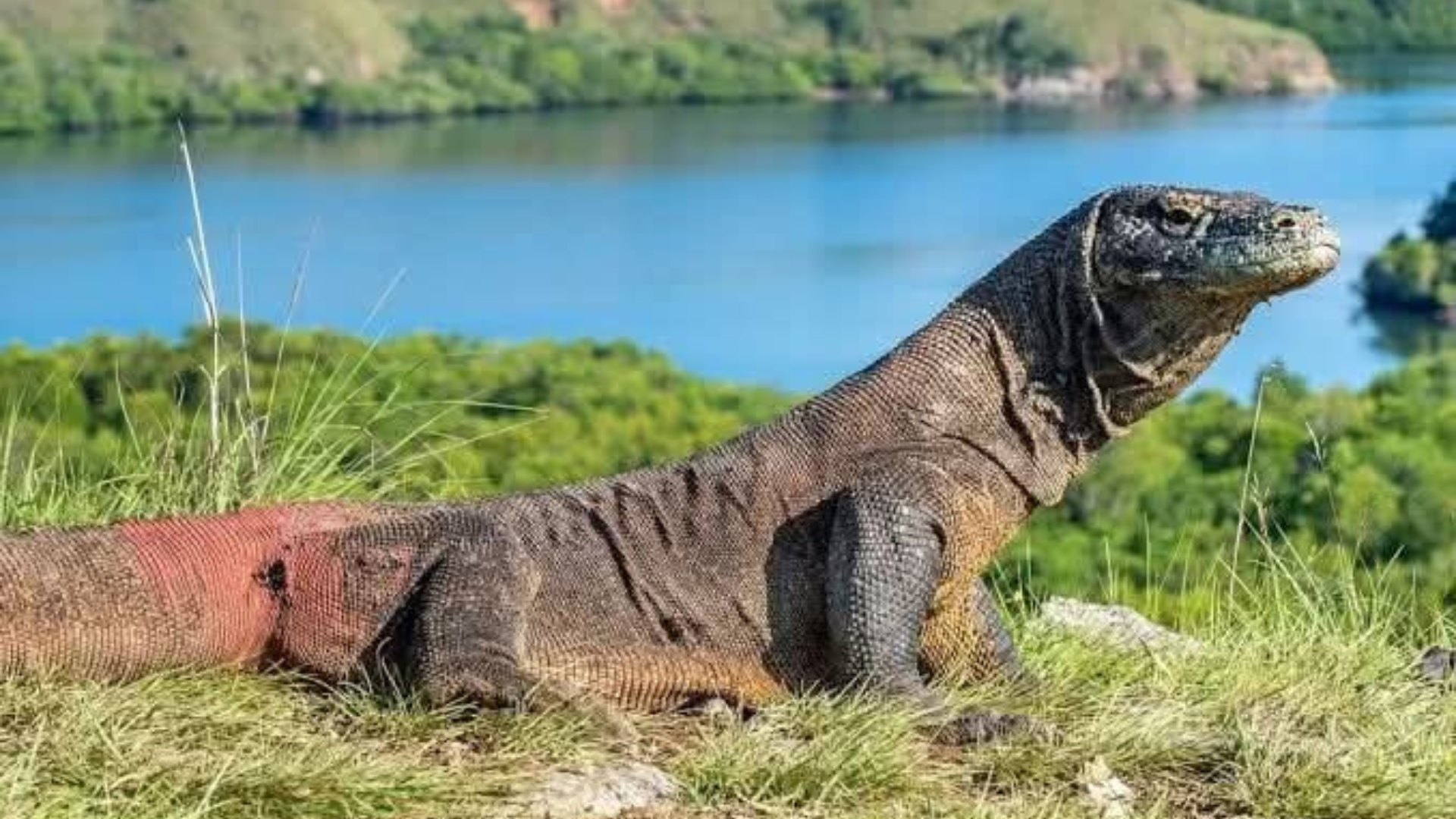
حديقة كومودو الوطنية (KNP) in Eastern Indonesia is the last stronghold of the endangered Komodo dragon (Varanus komodoensis), the largest living lizard on Earth. Over recent decades, human activities — especially tourism, habitat change, and resource competition — have had measurable impacts on this iconic species.
1. Increased Human Presence and Ecotourism
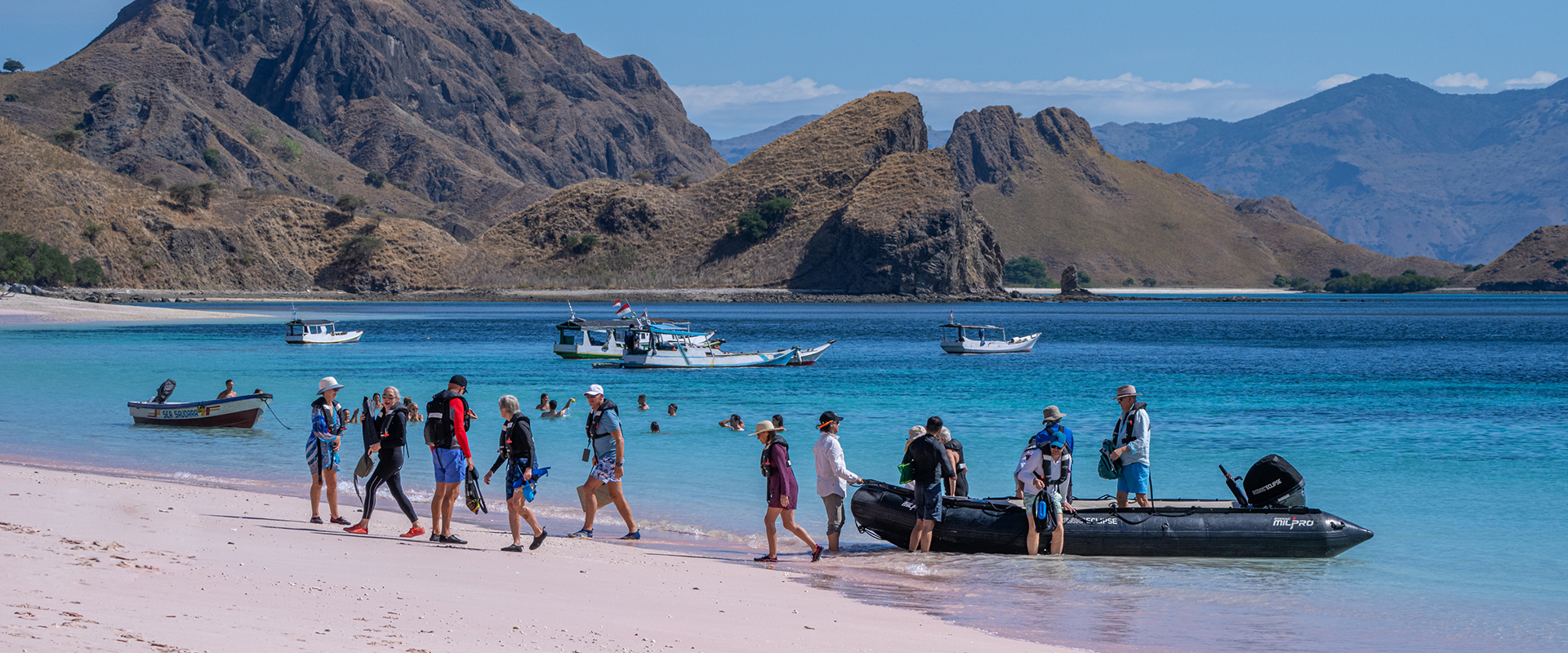
Tourism is one of the most visible human activities in KNP. Although ecotourism supports local economies and raises conservation awareness, it also exposes dragons to regular human contact. Studies show that التنانين in areas with high tourist activity become less wary of people, exhibiting reduced avoidance behavior compared to those in quieter zones.
This habituation likely stems from nutritional subsidies — tourists or guides sometimes feed dragons or leave behind food waste. As a consequence:
- Dragons exposed to human food refuse tend to have larger body mass and better overall condition.
- Their معدلات البقاء على قيد الحياة in these areas can appear higher due to dependable food sources.
However, this unnatural dietary input can disrupt natural hunting behavior and local ecological balance.
2. Behavior and Demographic Changes
Long-term human contact also influences dragon behavior and population structure. In areas of concentrated tourism:
- Dragons may rely more on easy food sources rather than hunting wild prey.
- Populations can become adult-biased, since adults monopolize the supplemental food and suppress younger age classes through competition.
These shifts may affect future population stability, with potential long-term consequences for reproduction and local dynamics.
3. Habitat Disturbance and Environmental Pressures
Beyond tourism, broader human activities contribute to habitat changes that impact Komodo dragons:
- Land encroachment: Agricultural expansion, settlement growth, and infrastructure reduce and fragment available habitat.
- Prey depletion: Hunting of deer, wild pigs, and water buffalo by humans limits the dragons’ natural food supply, forcing them closer to settlements in search of food.
- Pollution and waste: Increased litter and pollution from tourist activities stress ecosystems and can indirectly affect dragon health.
- Noise and disturbance: Tourism-generated noise interferes with dragon behavior, potentially influencing hunting, resting, and reproductive activities.
These pressures do not only affect the dragons themselves but also the broader biodiversity of حديقة كومودو الوطنية.
4. Conflict and Conservation Challenges
Human-wildlife conflict is another consequence of close human-dragon interactions. Komodo dragons occasionally prey on livestock, leading to retaliatory killings or conflict with villagers. Although park regulations have reduced direct hunting, such incidents still strain local attitudes and conservation efforts.
5. Recommendations for Sustainable Management
To safeguard Komodo dragons and ensure long-term ecological balance, researchers recommend several strategies:
- Reducing direct human feeding and nutritional subsidies so dragons do not depend on artificial food sources.
- Alternative tourism models that focus on responsible wildlife viewing with minimal disturbance.
- Spatial regulation of visitor activities to protect sensitive habitats and prevent overcrowding in key dragon areas.
By maintaining a sustainable balance between human interests and wildlife needs, KNP can continue to be both a thriving ecosystem and a world-renowned conservation success.
استمتع بمغامرة العمر - احجز باقة رحلتك إلى منتزه كومودو الوطني الآن على komodopadartour.com
 English
  Arabic
  Chinese
  French
  German
  Italian
  Korean
  Russian
  Spanish
  Indonesian