

فهم النظام البيئي البري لحديقة كومودو الوطنية
ال دليل التاريخ البيئي لحديقة كومودو الوطنية is an ecological and historical guide that explores the terrestrial ecosystem of Komodo National Park. This book is part of a series of guides published to help readers understand the park’s history, ecology, flora, and fauna. It was released as a scientific reference by The Nature Conservancy Indonesia Coastal and Marine Program, with cooperation from conservation partners in Indonesia
About Komodo National Park
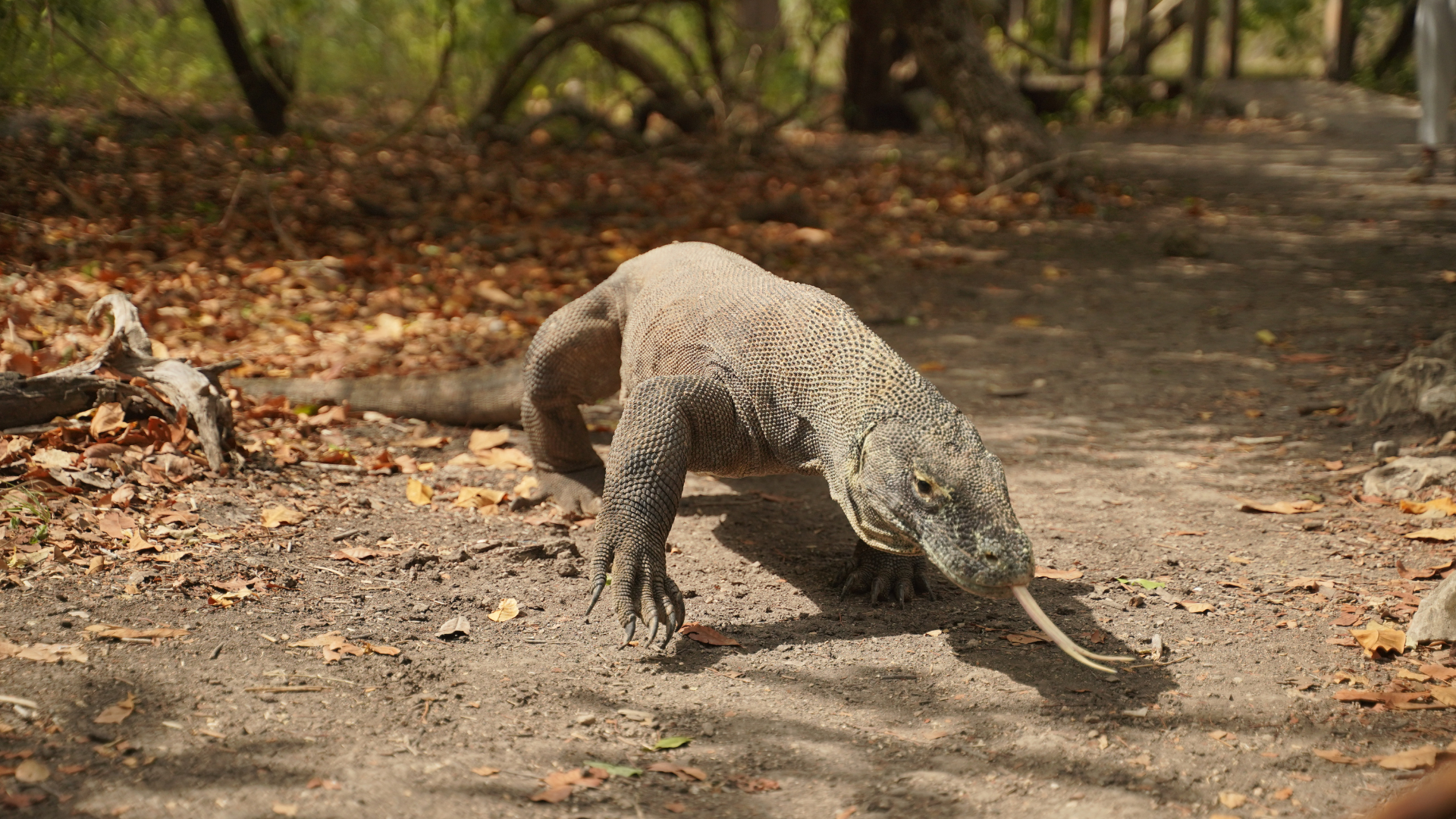
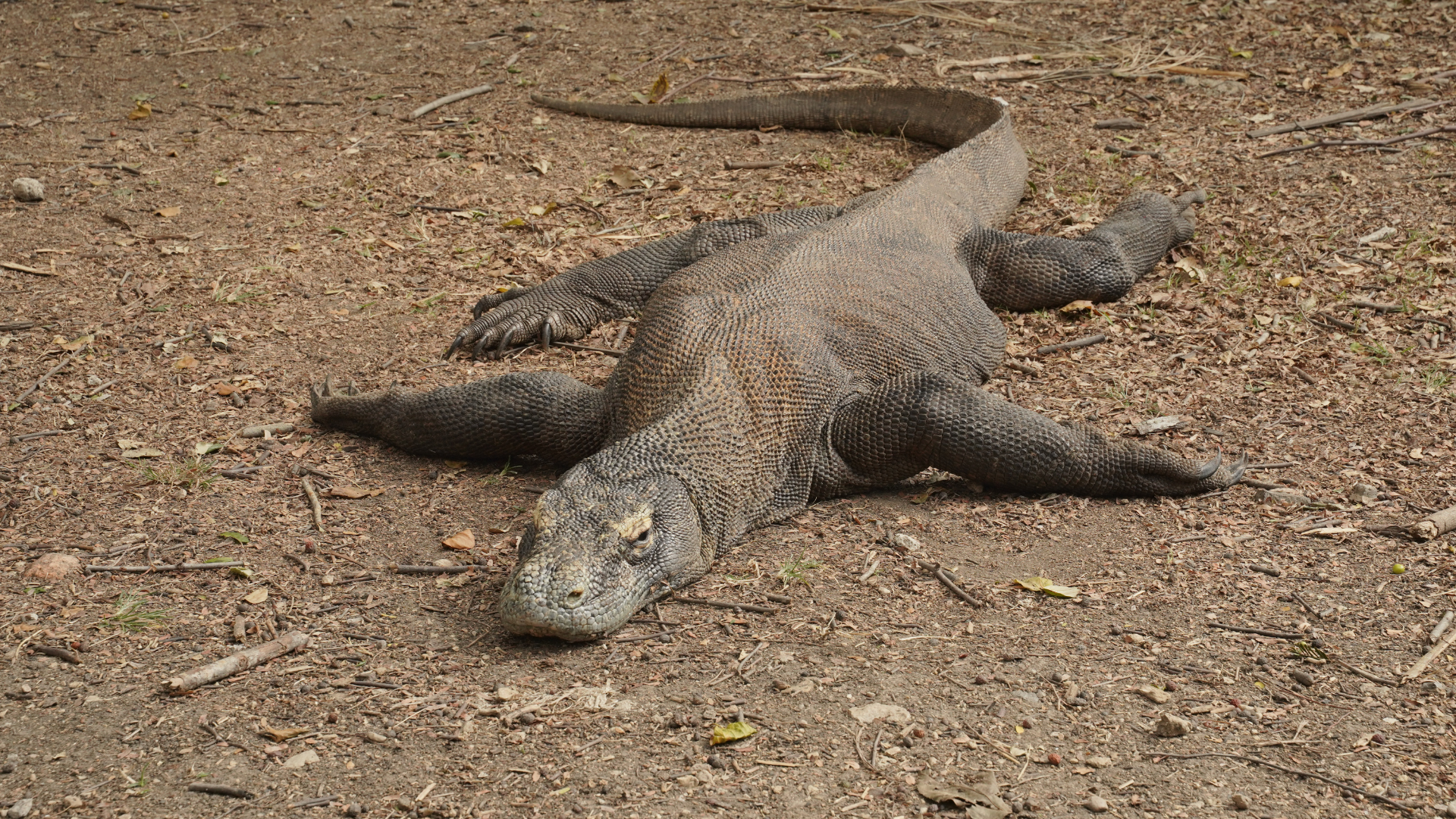
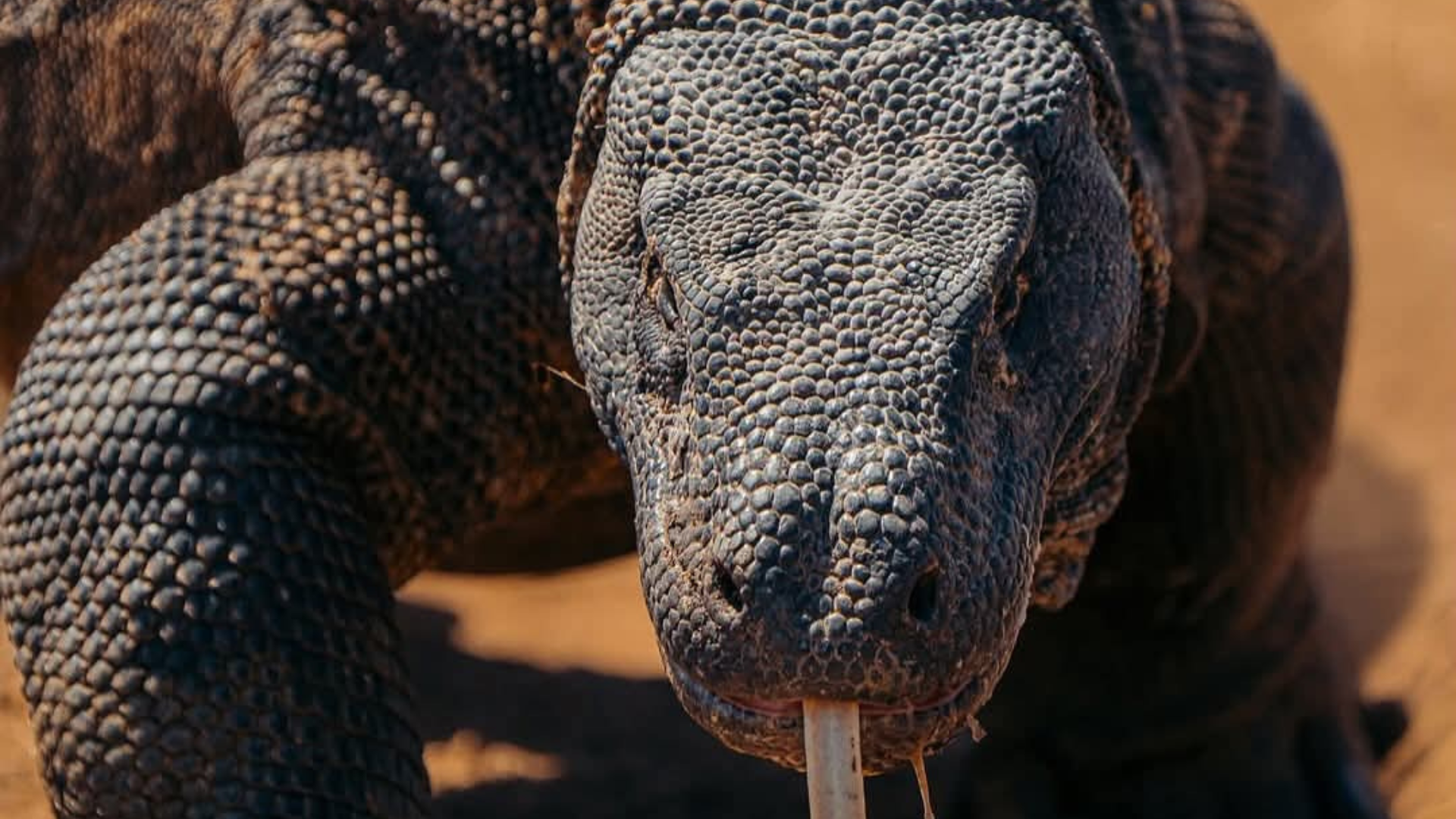
Komodo National Park is one of Indonesia’s most significant conservation areas. Situated between سومباوا وفلوريس, the park includes major islands such as كومودو، رينكا، وبادار, along with many smaller islands, covering terrestrial and marine zones. It has gained global recognition not only as the home of the world’s largest lizard, the تنين كومودو (Varanus komodoensis), but also for its rich biodiversity. he park was established primarily to protect the iconic Komodo dragon and to preserve the diverse terrestrial ecosystem, including various plant species, mammals, reptiles, and birds. It has also been designated a موقع تراث عالمي لليونسكو due to its global environmental significance.
Main Contents of Book 1 – The Land Ecosystem
This book presents a detailed description of the land ecosystems within the park, including:
1. Savanna Ecosystem
Savanna dominates much of the park’s terrestrial landscape. It is characterized by drought-resistant grasses and scattered trees such as lontar palms. This habitat supports important herbivores like Timor deer, wild boar, wild horses, and water buffalo, which are also prey for Komodo dragons.
2. Monsoon Forest
Monsoon forest is a type of dry tropical forest affected by seasonal rainfall patterns. These forests grow mainly at lower elevations and river margins and provide essential shelter and hunting ground for many species, including Komodo dragons.
3. Quasi-Cloud Forest
Found at higher elevations (above 500 meters above sea level), quasi-cloud forests host unique vegetation and contribute to the park’s species diversity. These mountain forests often contain mosses, rattan, bamboo,and several endemic plant species.
Flora and Fauna on Land
The book also discusses plant and animal species found in the park’s terrestrial areas. The flora includes plant species adapted to dry tropical conditions, while the fauna features various mammals, birds, and reptiles, with the Komodo dragon serving as the apex predator.
تنانين كومودو play a key role in maintaining ecological balance. Herbivores such as deer and wild boar provide the main food sources for dragons, while other predators interact within a complex food web.
Importance of This Guide
This ecological guide is valuable as:
- A scientific reference for understanding the ecological history and structure of Komodo National Park’s terrestrial ecosystem.
- أن educational resource for students, researchers, and conservation practitioners.
- A conservation tool to support biodiversity preservation in this unique habitat.
The guide shows that Komodo National Park is not only a tourist destination but also an important site for ecological research and conservation education.
هل أنت مستعد لـ the adventure of a lifetime? Discover the breathtaking beauty of Komodo National Park with our exclusive travel packages at KomodoPadarTour.com! From panoramic island views and hidden beaches to thrilling wildlife encounters and vibrant marine life — we’ve got it all covered for you.

 English
  Arabic
  Chinese
  French
  German
  Italian
  Korean
  Russian
  Spanish
  Indonesian