

Komodo National Park offers countless opportunities for photography. Dramatic hills, turquoise water, remote beaches, wildlife, and traditional boats create a diverse setting for both casual travelers and photography enthusiasts.
A Komodo Island photography trip does not require professional equipment. A smartphone can capture excellent images when you choose the right locations, timing, and composition.
Capture the View From Padar Island
Padar Island is one of the most recognizable photography locations in Komodo National Park.
The viewpoint overlooks curved bays, rugged hills, and surrounding blue water. The higher you climb, the wider the landscape becomes.
Early morning is often a good time for photography because the light can be softer and the temperature more comfortable.
A Padar Island photography experience is especially rewarding when you take time to capture both wide landscape shots and smaller details along the trail.
Photograph the Islands From the Boat
Do not wait until you reach land to start taking pictures.
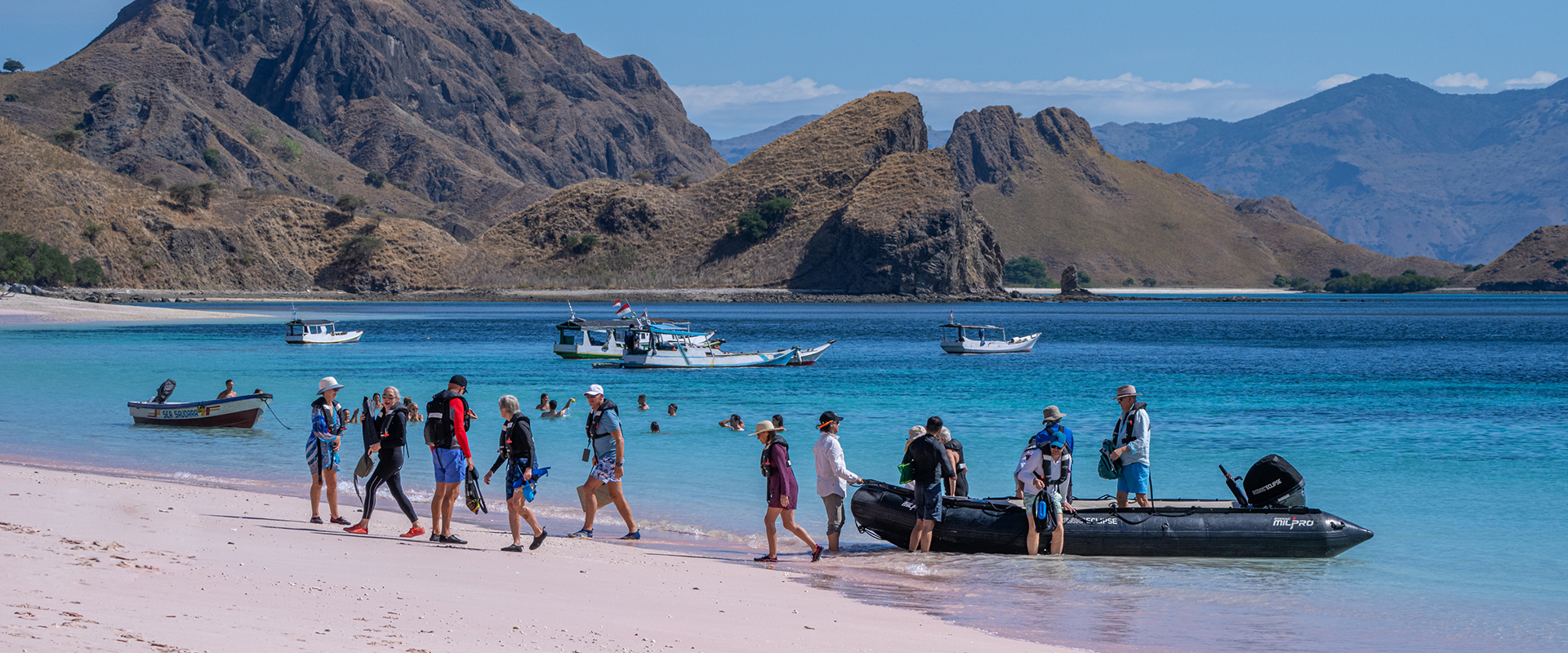
The boat journey provides opportunities to photograph distant islands, coastal cliffs, small beaches, and changing shades of blue across the sea.
Try photographing the landscape from different positions on the boat. A wider composition can show the relationship between the boat and surrounding islands.
A Komodo boat photography tour can therefore produce images that feel different from standard island viewpoints.
Explore Pink Beach
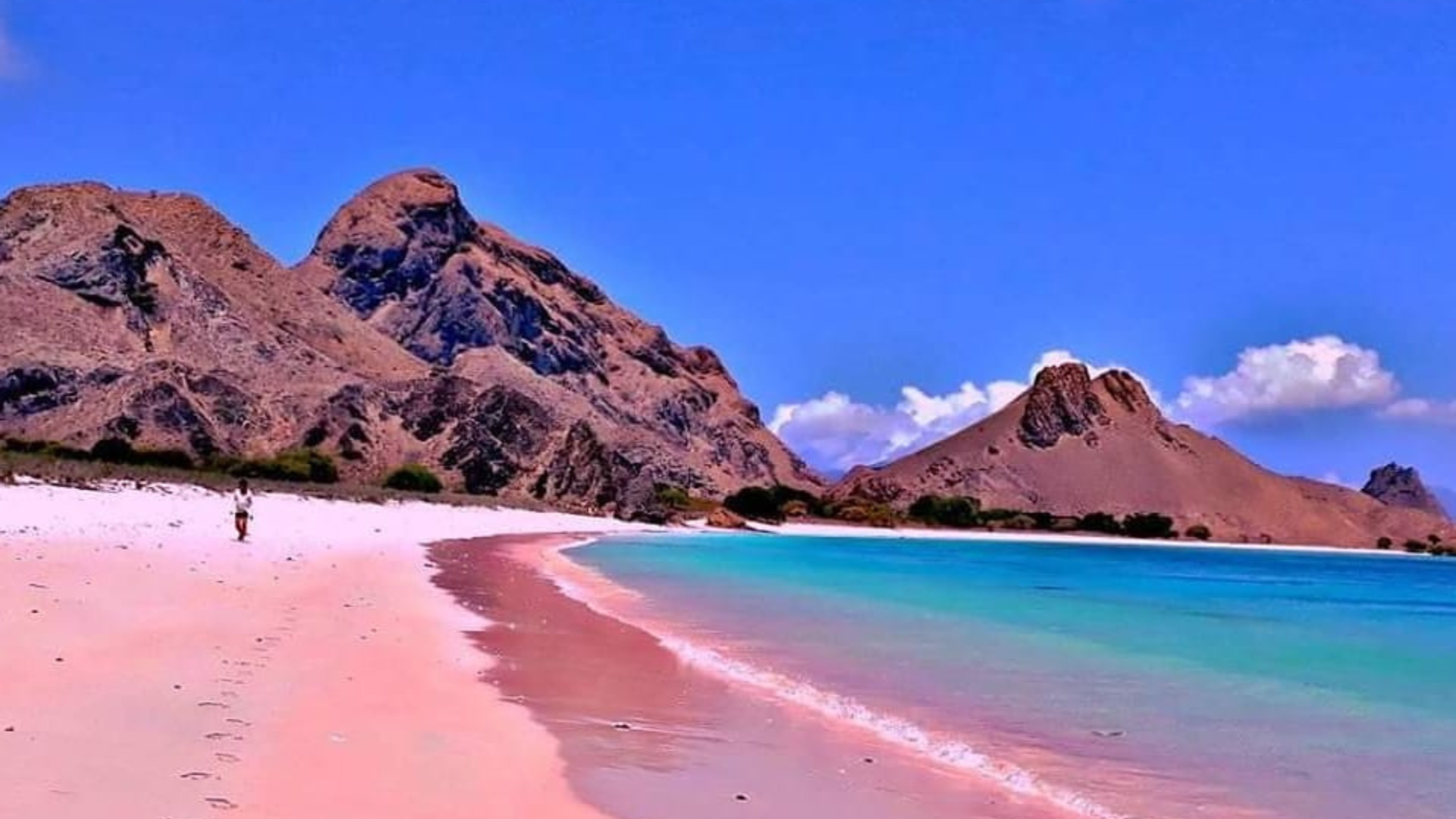
Pink Beach offers another interesting setting for photography.
The combination of pale pink sand, turquoise water, and surrounding hills creates colorful compositions. The appearance of the sand can vary depending on natural conditions and lighting.
Instead of photographing only the shoreline, experiment with different perspectives. Include the water, hills, or a person walking along the beach to add scale.
Photograph Wildlife Responsibly
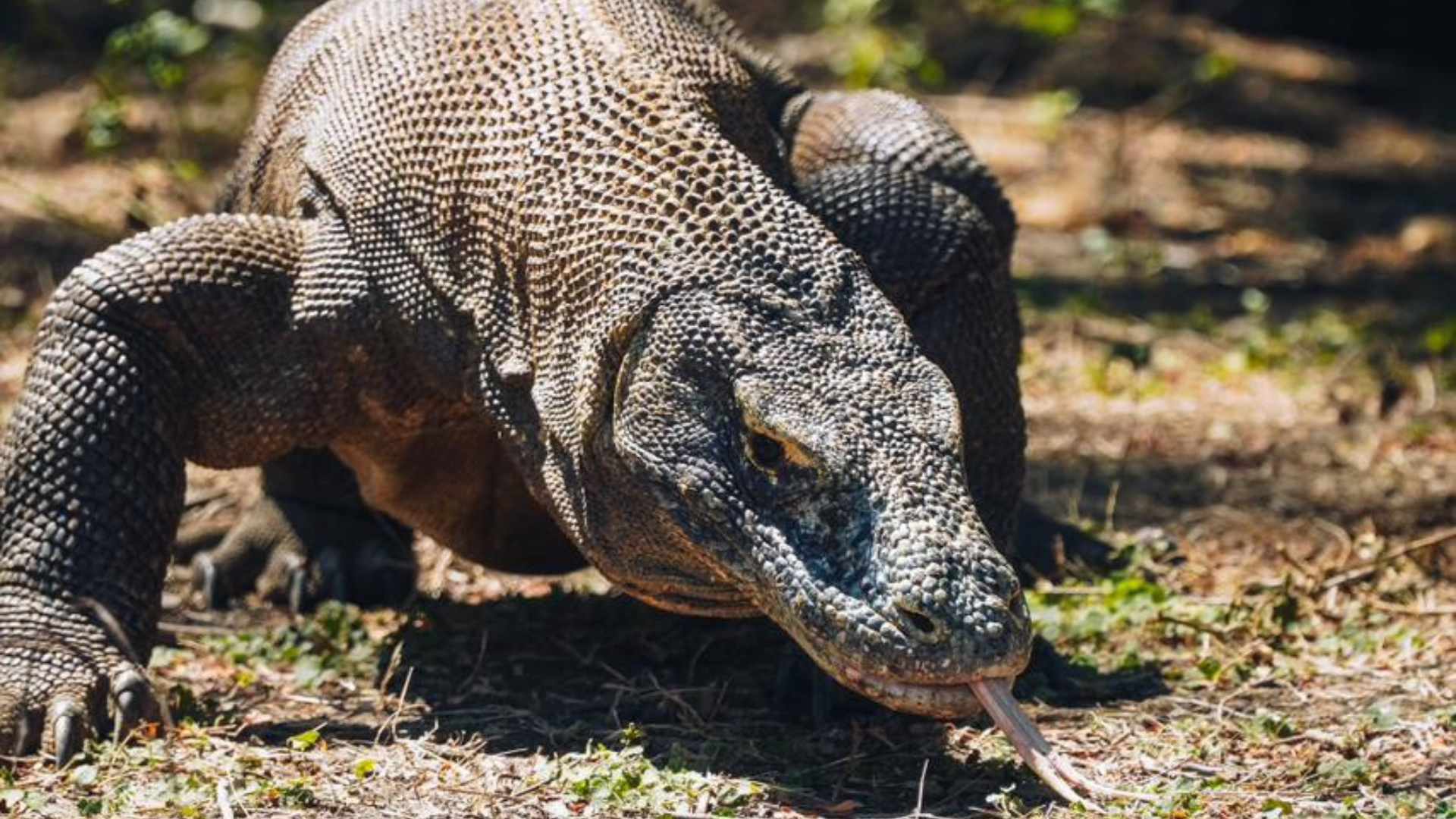
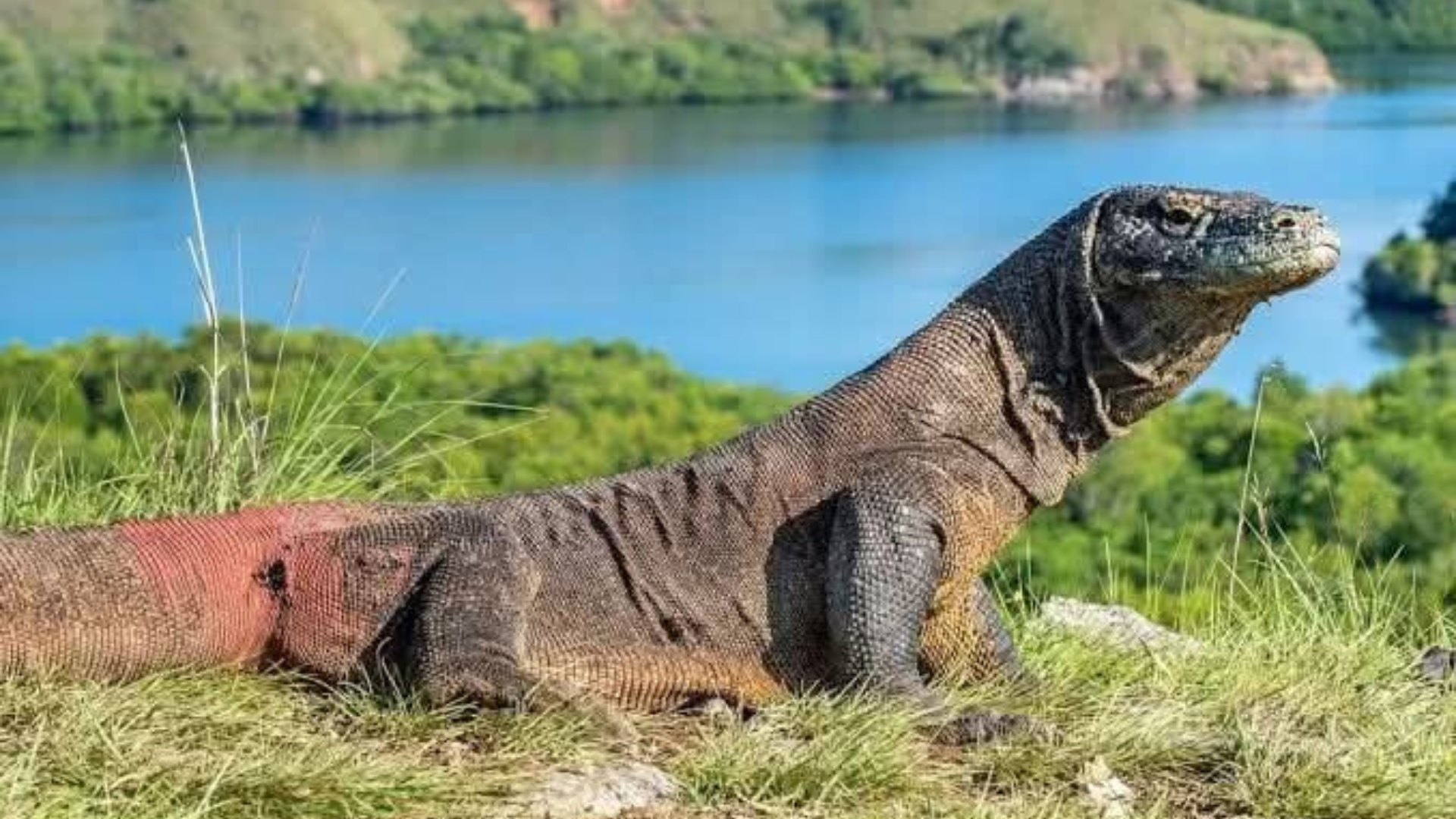
Komodo dragons are a major photography subject, but wildlife photography requires patience and respect.
Always maintain the distance required by your guide or ranger. Never move closer to an animal simply to get a better photograph.
Use your camera’s zoom when necessary instead of approaching wildlife.
A Komodo dragon photography experience is more rewarding when the animal remains undisturbed in its natural environment.
Try Underwater Photography
If you enjoy snorkeling, the underwater environment provides another photography opportunity.
Coral reefs, tropical fish, sea turtles, and manta rays can create impressive images when visibility is good.
A waterproof camera or suitable phone case can help you capture these moments.
Remember to avoid touching coral or marine animals while taking photographs. Protecting the environment should always come before getting the perfect shot.
Use Natural Light
Good photography often depends more on light than expensive equipment.
Morning and late afternoon can provide softer light. During the middle of the day, strong sunlight may create harsh shadows.
When photographing people, try positioning them with the light rather than directly facing intense sunlight.
A Komodo landscape photography trip can benefit greatly from planning activities around the available light.
Keep Your Equipment Protected
Boat travel exposes your equipment to water and humidity.
A dry bag can protect cameras, phones, batteries, and memory cards from splashes. Bring extra battery power if you plan to photograph throughout the day.
A lightweight setup is usually easier to manage because you may need to move between boats, beaches, and hiking trails.
Respect Other Travelers
Popular viewpoints can become busy, especially during peak travel periods.
Be patient when taking photographs and avoid blocking narrow paths for extended periods.
If other travelers are waiting for a viewpoint, take a few photographs and allow others to enjoy the location as well.
Responsible photography makes the experience better for everyone.
Create a Complete Photo Story
Instead of collecting only famous viewpoints, photograph different parts of the journey.
Include the harbor, boat, islands, hiking trails, wildlife, beaches, underwater scenes, and people enjoying the destination.
This creates a visual story rather than a collection of disconnected images.
Final Thoughts
Komodo National Park provides an excellent setting for photography because every part of the journey offers something different.
From Padar’s panoramic hills to colorful beaches and marine life, you can create memorable images without carrying a large amount of equipment.
The most important rule is simple: photograph the destination while respecting its wildlife, environment, and local regulations.
Plan Your Photography Trip
If you want to combine scenic viewpoints, wildlife, beaches, and boat travel into a Komodo photo adventure, explore the available travel options at komodopadartour.com.
For travelers interested in land, speedboats, house rentals, or ruko opportunities around Labuan Bajo, visit komodolabuanbajoproperty.com.
 English
  Arabic
  Chinese
  French
  German
  Italian
  Korean
  Russian
  Spanish
  Indonesian