

Flores Island — located in East Nusa Tenggara Province, Indonesia — has a rich and diverse history shaped by indigenous cultures, European exploration, colonial influence, and remarkable scientific discoveries. This historical journey reflects the island’s unique identity and enduring legacy.
Origin of the Name
The name Flores comes from the Portuguese word meaning “flowers.” The name was initially given by Portuguese explorers in the 16th century to a part of the eastern coastline called Cabo de Flores or “Cape of Flowers.” Over time, this name came to represent the entire island.
Pre-Colonial Era
Long before European arrival, Flores was already inhabited by various ethnic groups, each with distinct languages, cultures, and traditions. The Manggarai people, for example, were among the major indigenous groups on the western part of the island. Many communities lived under strong customary systems, maintaining vibrant traditions, ancestral structures, and megalithic heritage.
Portuguese Exploration
In the early 1500s, Portuguese explorers were the first Europeans to reach Flores. They came in search of spices and to spread Catholicism. In 1566, they built a fortress on the nearby island of Solor, strengthening their influence in the region. The Portuguese legacy remains visible today, especially in the religion and family names of some local communities.
Dutch Colonial Rule
Following the Portuguese period, Dutch colonial forces took control of Flores in the 19th century. The Dutch introduced colonial administration and attempted to assert political authority over the island. However, their influence was limited compared to other regions of Indonesia due to Flores’ remote geography and the strong unity of local ethnic groups.
Independence and Modern Times
After World War II, Flores became part of the independent Republic of Indonesia in 1945. The island underwent significant changes in its social and economic structures, including improvements in education and infrastructure as it became more integrated with the newly formed nation.
Culture and Religion
Thanks to early Portuguese influence, Catholicism plays a central role in the lives of many Flores residents. Today, the majority of the population practices Catholicism, though some communities still preserve ancient traditions and beliefs.
Discovery of Homo floresiensis
One of the most extraordinary chapters in Flores’ history came in 2003, when scientists discovered fossils of a previously unknown human species, Homo floresiensis, in the limestone cave of Liang Bua. Nicknamed the “hobbit” due to its small size, this species lived on the island tens of thousands of years ago, offering remarkable insights into human evolution.
Flores Today
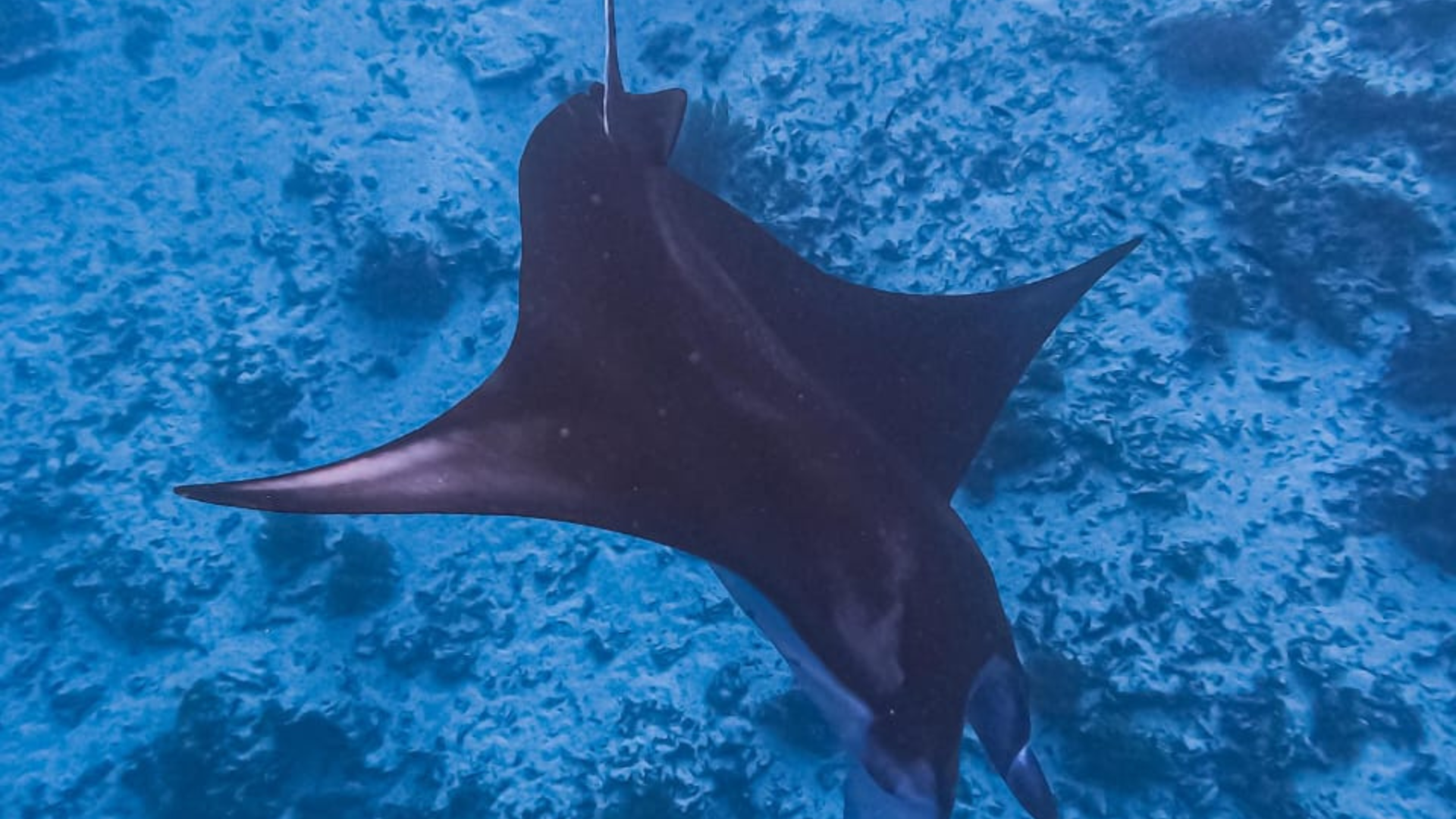
Today, Flores is internationally known not only for its history and culture, but also for its natural beauty. The island is home to iconic destinations such as Komodo National Park, the dramatic Kelimutu three-colored crater lakes, diverse marine ecosystems, and rich cultural heritage that continues to thrive.
Experience the adventure of a lifetime — book your Komodo National Park tour package now at komodopadartour.com



 English
  Arabic
  Chinese
  French
  German
  Italian
  Korean
  Russian
  Spanish
  Indonesian