

The Komodo dragon (Varanus komodoensis) is one of the most iconic animals in the world — a true natural wonder found only in Indonesia. These ancient giant lizards have fascinated scientists and travelers alike with their size, power, and prehistoric appearance.
🌍 Where They Live
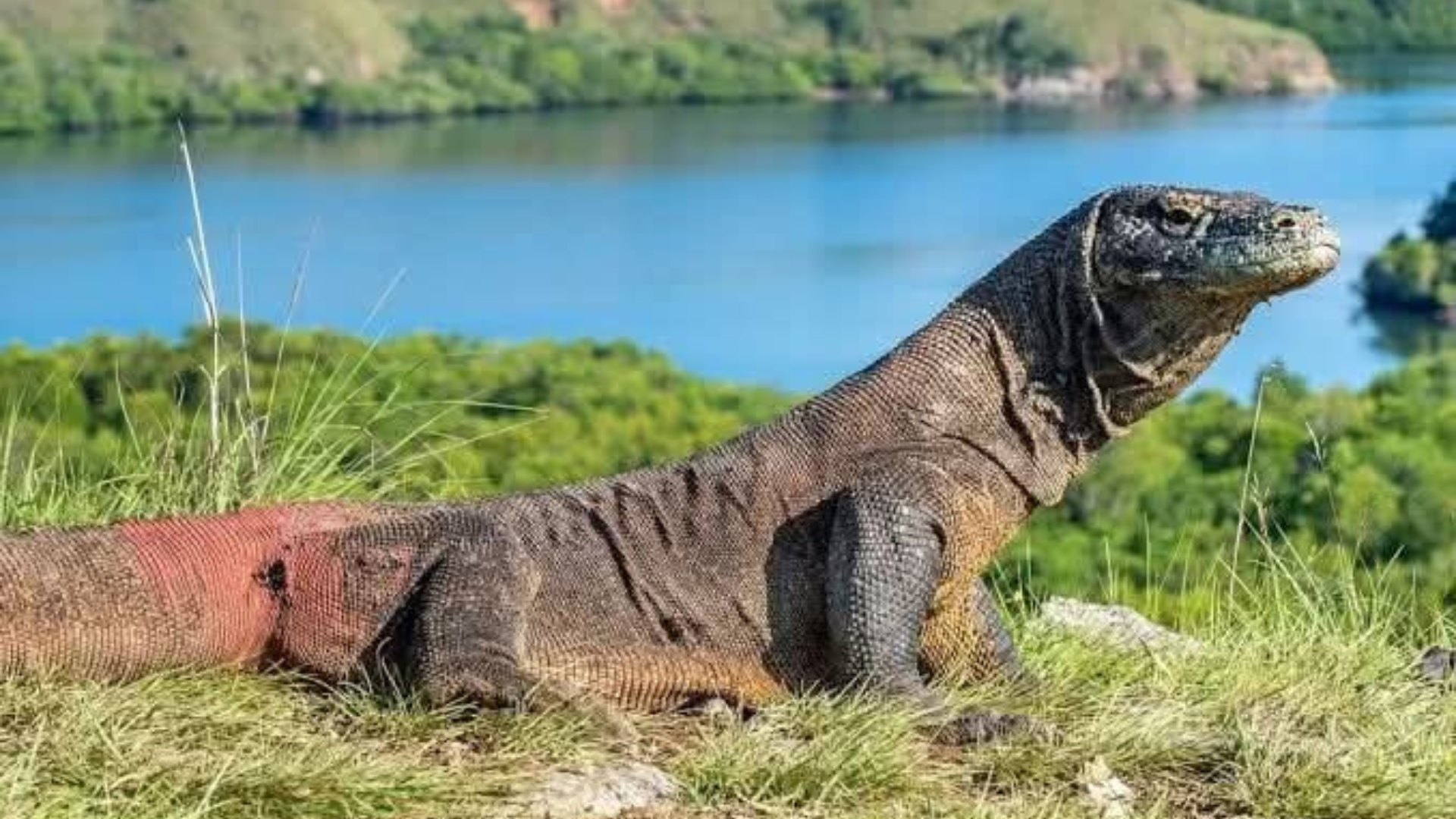
Komodo dragons are endemic to a small group of islands in eastern Indonesia, most notably:
- Komodo Island
- Rinca Island
- Padar Island
- Gili Motang
- Parts of Flores Island
This limited range, largely within Komodo National Park, makes them unique to this region and a major draw for wildlife tourism.
🐲 Physical Characteristics
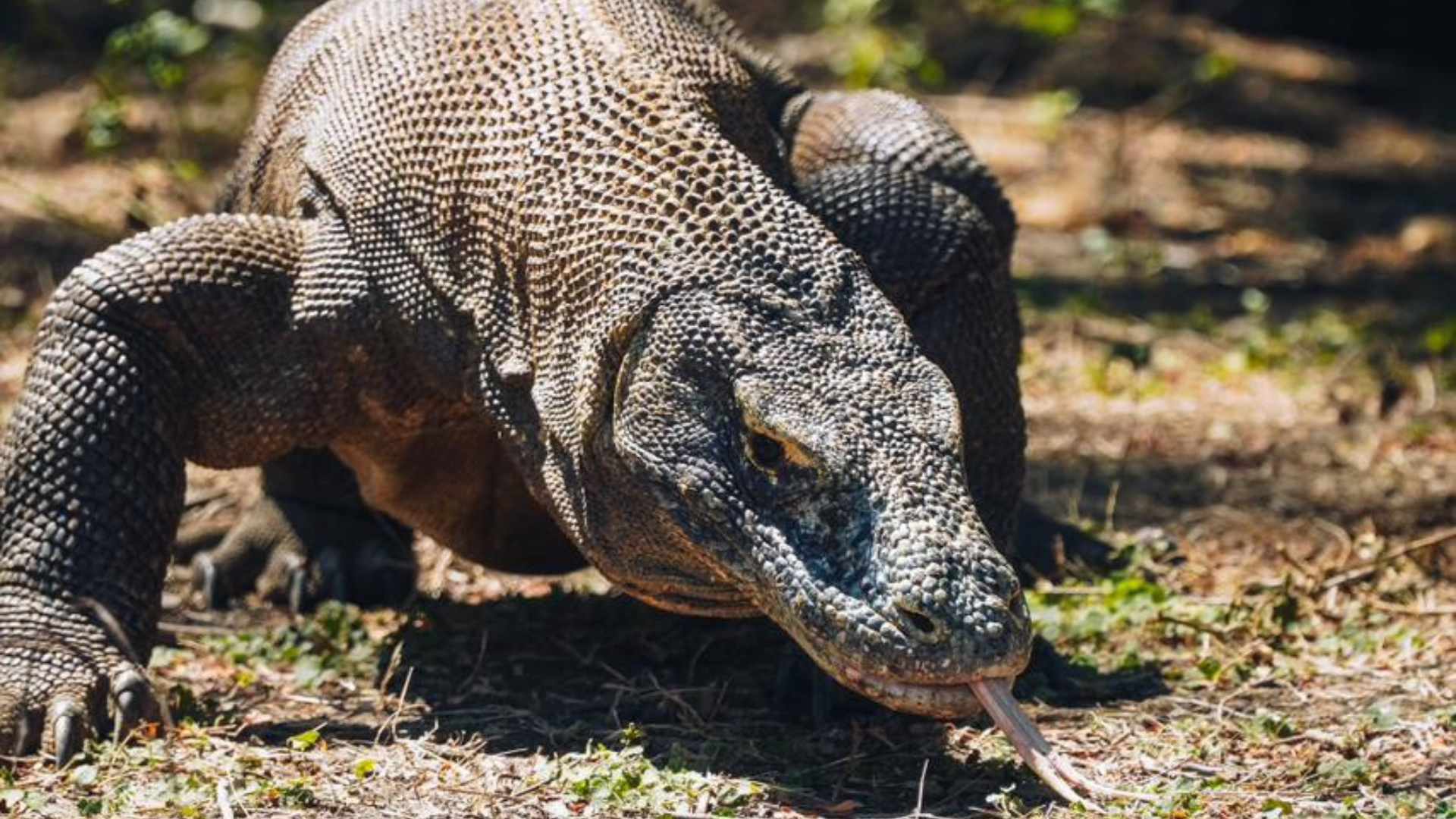
Komodo dragons are the largest living lizards on Earth. They can:
- Grow up to 3 meters (10 feet) long
- Weigh over 70–80 kg (150–180 lb)
- Possess a long, muscular tail and powerful limbs
They have rough, scaly skin and a forked tongue used to sense their environment. These physical features make them perfectly adapted to the rugged islands they call home.
🦴 Diet and Hunting
Komodo dragons are carnivores and apex predators in their ecosystem. They hunt a wide range of animals, from birds and small mammals to larger prey such as deer, wild boar, and water buffalo. Using stealth and strength, they often ambush prey and deliver a powerful bite.
Their bite is assisted by venom and bacteria that help weaken prey, and they have an excellent sense of smell that lets them detect food from several kilometers away.
🌿 Behavior and Lifestyle
Komodo dragons are solitary animals, coming together only to breed or feed. They are generally diurnal (most active during the day) and can move quickly in short bursts, despite their size. Juveniles are adept climbers and will often stay in trees to escape predators — including adults of their own species.
🛡️ Conservation Status
Unfortunately, Komodo dragons are classified as Endangered by the International Union for Conservation of Nature (IUCN). Their small population — estimated at a few thousand individuals — faces ongoing threats from:
- Habitat loss
- Climate change
- Human activity
- Illegal hunting
Komodo National Park, established in 1980 and now a UNESCO World Heritage Site, was specifically created to protect these giant lizards and their habitat. Conservation efforts also include protected reserves on Flores Island and community programs aimed at supporting both dragons and local livelihoods.
Rising temperatures and sea level changes pose additional long-term threats, potentially reducing the available habitat for these reptiles by significant amounts if global climate trends continue.
🧭 Seeing Komodo Dragons in the Wild
Today, Komodo dragons are a major ecotourism attraction. Visitors to Komodo National Park can observe them in their natural environment with experienced park rangers, who ensure safety and help protect the species by guiding tourists responsibly.
When planning a visit, it’s essential to follow all ranger instructions and maintain a respectful distance — these powerful predators should always be appreciated from a safe position.
🌟 Symbol of Indonesian Wildlife
The Komodo dragon is more than just a tourist spectacle — it’s a symbol of Indonesia’s unique biodiversity and a reminder of the importance of protecting vulnerable species. Efforts to conserve its shrinking habitat help secure a future for this prehistoric giant and support the rich ecological tapestry of the region.
Experience the adventure of a lifetime — book your Komodo National Park tour package now at komodopadartour.com


 English
  Arabic
  Chinese
  French
  German
  Italian
  Korean
  Russian
  Spanish
  Indonesian