
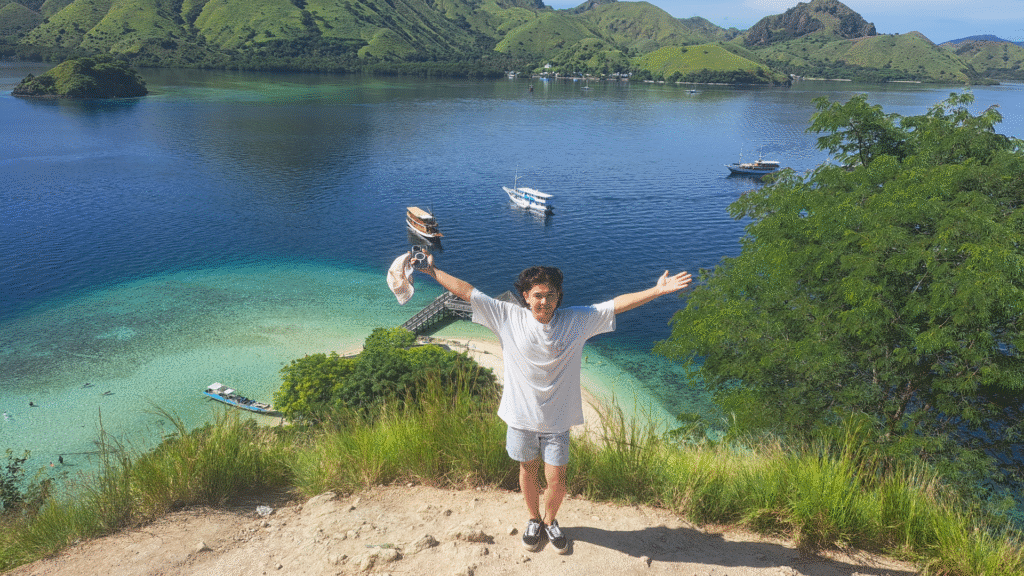
The Final Report CRES with ISBN is a scientific document presenting an in-depth study of the population ecology, reproduction, and spatial behavior of the Komodo dragon (Varanus komodoensis) within Komodo National Park, Indonesia.
📌 Report Overview
This report focuses on several key biological and ecological aspects of the Komodo dragon, the world’s largest lizard species and a flagship species for conservation in Indonesia. It was compiled and authored by an expert team of researchers including S. Jessop, M. Jeri Imansyah, Deni Purwandana, Achmad Ariefiandy, Heru Rudiharto, Aganto Seno, Devi S. Opat, Tresna Noviandi, Ibrahim Payung, and Claudio Ciofi.
The research team represents a collaboration between Indonesian and international conservation scientists, combining decades of field research experience in herpetology and ecological monitoring
🧬 Main Research Focus
The Final Report CRES addresses three major scientific themes:
1. Population Ecology
The report examines the population structure, density, and demographic composition of Komodo dragons in the park. Understanding these parameters is essential for assessing population health, trends, and long-term viability of the species in its natural environment.
Reproductive Biology
The study analyzes reproductive patterns, breeding cycles, and factors affecting reproduction among Komodo dragons. These insights are crucial for understanding how environmental conditions and life history traits influence the species’ reproductive success.
Spatial Distribution and Habitat Use
A key component of the report is the investigation of spatial movement patterns and habitat preferences of Komodo dragons. The spatial data help scientists understand how these large reptiles use their environment, including home range size, habitat selection, and the influence of ecological factors such as prey availability and terrain.
📊 Scientific Methods
The report combines field surveys, direct observations, spatial analysis, and ecological modeling to generate robust data. These methods provide a strong scientific foundation for conservation planning and ecological management decisions.
📚 Conservation Implications
The findings in the Final Report CRES contribute valuable scientific knowledge that supports:
- long-term conservation strategies,
- evidence-based habitat management,
- and improved monitoring protocols for Komodo dragons in their natural habitat.
The document serves as a reference for researchers, wildlife managers, and policymakers involved in preserving this iconic species and its ecosystem.
🦎 Access to the Full Report
The complete Final Report CRES with ISBN is published in PDF format and can be accessed through the official Komodo National Park website. The report includes detailed figures, spatial maps, and data analyses that enrich its scientific value
Summary
In short, the Final Report CRES with ISBN is a scientific cornerstone study that deepens our understanding of the ecology, reproduction, and space use of the Komodo dragon (Varanus komodoensis) — a critically important species for biodiversity conservation in Indonesia. Its findings help guide conservation actions and ensure the long-term survival of this unique reptile.
Book your Komodo and Padar tour package now at KomodoPadarTour.com — don’t miss out


 English
  Arabic
  Chinese
  French
  German
  Italian
  Korean
  Russian
  Spanish
  Indonesian