

The Long-Term Management Plan (known as RPJP in Indonesia) is a strategic document created by the Komodo National Park Authority to ensure the effective, planned, and sustainable long-term management of the conservation area. This plan serves as the foundation for conservation, restoration, utilization, and monitoring programs within Komodo National Park.
Purpose of the RPJP
The RPJP is designed to help Komodo National Park achieve several key long-term objectives:
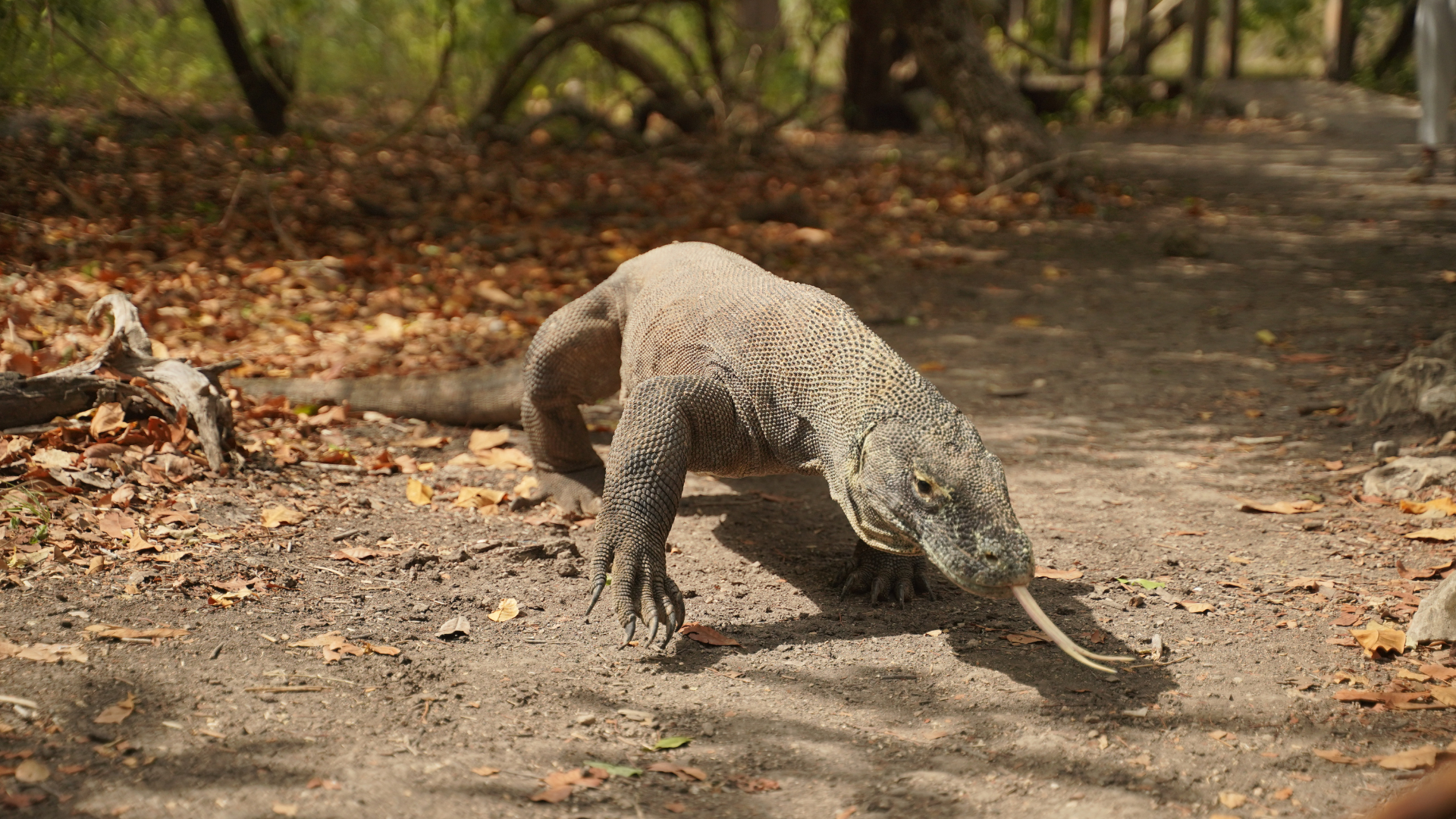
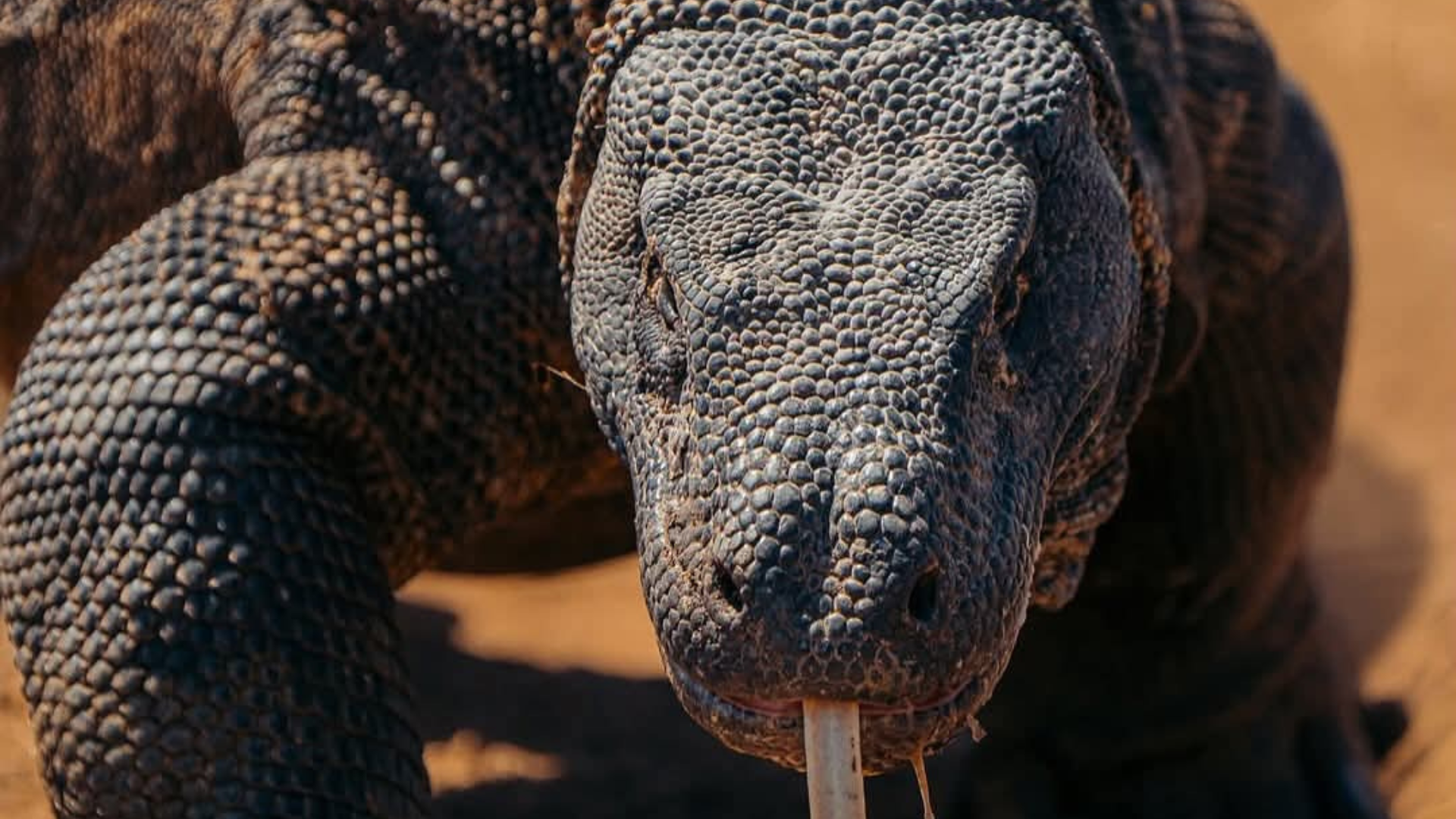
- Protect the biodiversity and natural ecosystems within the park, including the habitats of the Komodo dragon, coral reefs, seagrass beds, and various plant and animal species.
- Ensure the continuity of conservation, social welfare, and economic functions for local communities and other stakeholders.
- Increase the effectiveness and accountability of park governance through transparent and participatory planning.
Scope and Time Frame
The RPJP is a long-term planning tool covering a multi-decade period (often spanning up to 25 years). It outlines overall policies, management strategies, and directions for conservation and sustainable tourism development in Komodo National Park. The plan also includes community engagement programs and mechanisms for monitoring and evaluating progress over time.
The development of the RPJP for Komodo National Park has roots in earlier collaborative initiatives, including a comprehensive 25-year management plan completed in 2000, which has provided a basis for adaptive management and stakeholder collaboration.
Key Components of the RPJP
The Long-Term Management Plan typically contains:
- Vision, mission, and management objectives for the park.
- Strategies for conservation of natural and cultural resources.
- Action plans for sustainable development and tourism.
- Monitoring, evaluation, and reporting mechanisms to track progress and adapt strategies as needed.
- Programs to protect sensitive ecosystems and support the welfare of surrounding communities.
Public Involvement and Evaluation
The preparation and implementation of the RPJP involve a wide range of stakeholders, including government agencies, conservation organizations, local communities, and NGOs. Public consultation ensures that the planning process is democratic, accountable, and widely accepted. Periodic reviews and evaluations are also conducted to assess how effective the plan has been and to revise it as necessary based on changing conditions and emerging threats.
Benefits of the RPJP
The Long-Term Management Plan serves as the primary guide for decision-making, setting priorities and actions for conservation over many years. Its benefits include:
- Ensuring the continued protection of habitats and rare species, such as the Komodo dragon
- Supporting the development of sustainable nature tourism that does not damage the environment.
- Strengthening governance and visitor services so that conservation and tourism can coexist in harmony.
Conclusion
The Long-Term Management Plan (RPJP) of Komodo National Park is a vital strategic document that defines the direction and strategies for managing this iconic conservation area over the long term. Developed through collaboration and stakeholder engagement, the plan helps guide conservation, education, and sustainable use of natural and cultural resources, ensuring that Komodo National Park remains preserved for future generations.
Discover Komodo dragons, stunning islands, crystal-clear waters, and breathtaking landscapes. Start your adventure now with our tour packages at Komodopadartour.com


 English
  Arabic
  Chinese
  French
  German
  Italian
  Korean
  Russian
  Spanish
  Indonesian