

Komodo Island is famous for its ancient dragons, but the island also offers an impressive trekking experience. The trails pass through dry savannas, rocky hills, forests, and viewpoints overlooking the surrounding sea.
For travelers who enjoy nature and outdoor activities, trekking provides a different way to experience 科莫多国家公园. However, the terrain and tropical weather require some preparation.
1. What Is Komodo Island Trekking Like?
Trekking on Komodo Island takes place in a natural environment. Visitors walk through areas where wildlife lives freely, rather than following a conventional hiking trail.
Some sections are relatively easy, while others include steep climbs and uneven ground. The scenery changes throughout the walk, with dry hills, forests, and coastal views appearing along the route.
A local ranger accompanies visitors during trekking. Their guidance is important because Komodo dragons and other wildlife can be encountered along the trail.
2. Popular Trekking Areas
Loh Liang is one of the main trekking areas on 科莫多岛. Several routes are available, depending on the visitor’s time and physical condition.
Short routes are suitable for travelers who want a relaxed walk. Longer routes provide more opportunities to explore the landscape and search for wildlife.
Rinca Island also offers trekking experiences. Its environment is different from Komodo Island, giving visitors another perspective on the national park.
3. How Difficult Is the Trek?
The difficulty depends on the route and weather conditions. Some trails are suitable for casual travelers, while longer routes require better stamina.
The heat can make a moderate walk feel more challenging. Steep sections may also require careful footing, especially on dry or rocky ground.
You do not need to be an experienced hiker. However, reasonable fitness and comfortable shoes will make the experience easier.
If you prefer a more relaxed experience, a komodo private tour can provide greater flexibility with the itinerary and activity schedule.
4. Trekking to See Komodo Dragons
The possibility of seeing a Komodo dragon is one of the biggest attractions of trekking. These reptiles live naturally throughout the national park.
However, wildlife sightings cannot be guaranteed. Komodo dragons move freely and their behavior depends on natural conditions.
Always stay with your ranger and follow their instructions. Never approach a dragon independently or attempt to get closer for a photograph.
Keeping a safe distance protects both visitors and wildlife.
5. What Should You Wear?
Lightweight and comfortable clothing is ideal for trekking in Komodo. Temperatures can become high, especially on exposed sections of the trail.
Comfortable hiking shoes are strongly recommended. Shoes with good grip can help when walking across rocky or uneven surfaces.
A hat, sunglasses, and sunscreen are also useful. Long trousers can provide additional protection from insects and vegetation.
6. What Should You Bring?
A small backpack is usually enough for a trekking trip. Avoid carrying unnecessary items because extra weight can make hiking more tiring.
Important items include:
- Drinking water
- 防晒霜
- Hat or cap
- 太阳镜
- Comfortable shoes
- Insect repellent
- Camera or smartphone
- Power bank
Water is particularly important because the tropical heat can cause dehydration during longer walks.
7. Best Time for Trekking
The dry season generally provides favorable conditions for hiking because the trails tend to remain drier. However, the weather can also become very hot.
Starting early in the morning is often more comfortable than trekking during the middle of the day. Morning light also creates beautiful conditions for landscape photography.
Before starting your trek, check the weather and follow the latest guidance from park staff or your ranger.
8. Trekking and Photography
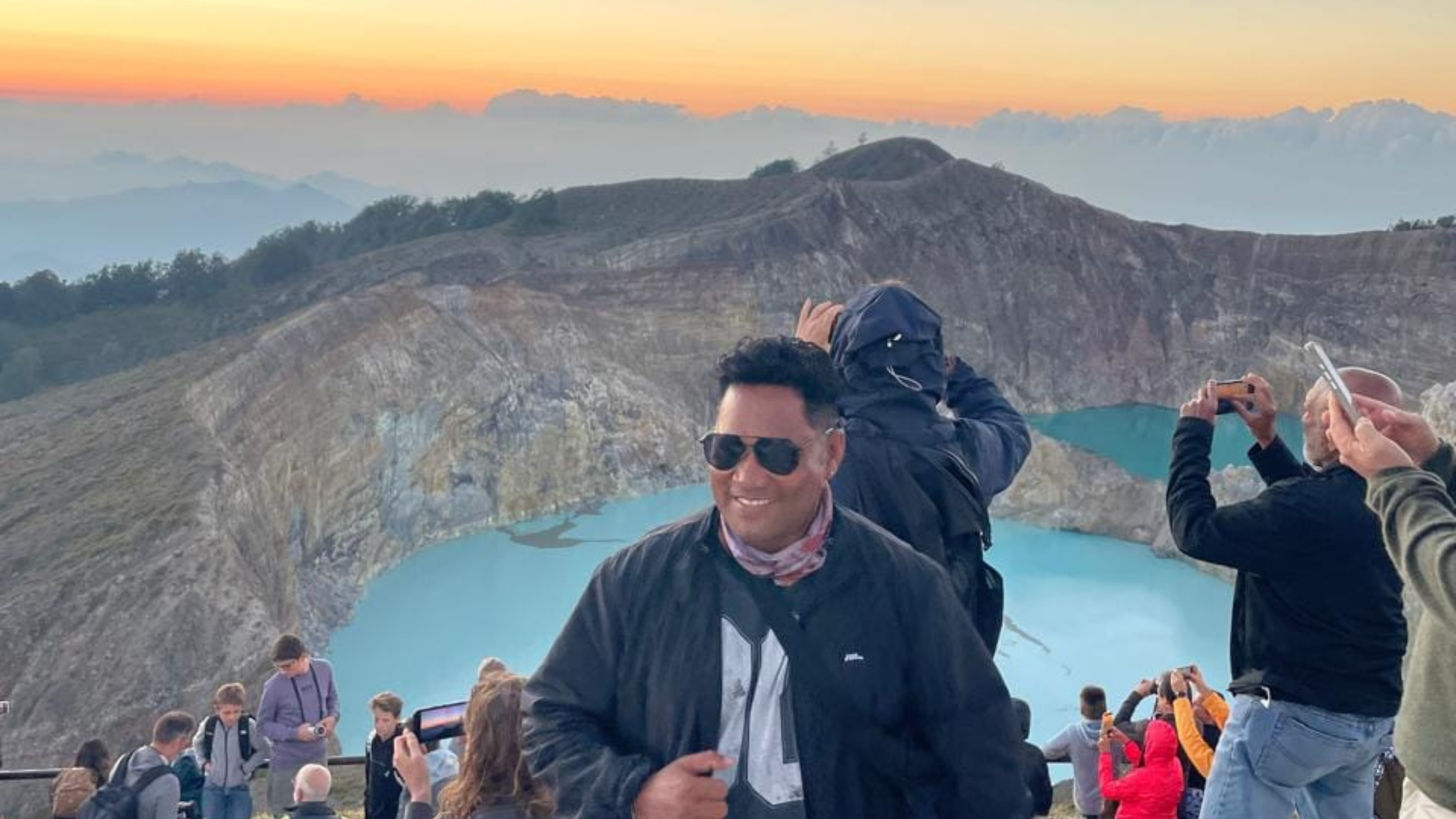
Komodo’s trekking routes offer excellent photography opportunities. The landscape includes hills, beaches, blue water, and distant islands.
You can use a smartphone or camera to capture the scenery. A lightweight setup is often more convenient during longer walks.
However, photography should never interfere with safety. Stay on the designated trail and do not approach wildlife just to get a closer photograph.
9. Safety Tips for Your Trek
Always remain with your group and follow your ranger’s instructions. Do not feed animals or leave food around the trail.
Avoid sudden movements near wildlife and maintain a safe distance from Komodo dragons.
It is also important to take regular breaks and drink enough water. If the heat becomes uncomfortable, inform your guide rather than continuing without a break.
For travelers who are not used to hiking in tropical conditions, a shorter trail can be a better option.
10. Make Trekking Part of Your Komodo Trip
Trekking can easily become one of the highlights of a trip to Komodo National Park. It combines wildlife, adventure, and spectacular natural scenery in one experience.
You can also combine trekking with snorkeling, beaches, and island sightseeing. A 科莫多岛之旅 can be arranged around the activities you want to experience.
For travelers looking for a more flexible itinerary, private komodo tours can offer different options depending on your schedule and interests.
You can explore tour arrangements through komodopadartour.com. Visitors interested in property and investment opportunities around Labuan Bajo can also visit komodolabuanbajoproperty.com.
With suitable preparation, a ranger-led trek, and respect for the natural environment, exploring Komodo Island on foot can be an unforgettable part of your journey.


 English
  Arabic
  Chinese
  French
  German
  Italian
  Korean
  Russian
  Spanish
  Indonesian