
Practical Guide: 10 Steps to Developing a Green Tourism Village (Buku Praktis 10 Langkah Desa Wisata Hijau)

Buku Praktis: 10 Langkah Desa Wisata Hijau 2 is a practical guide that provides strategic, step‑by‑step instructions for developing a sustainable green tourism village in Indonesia. This guide is designed to support stakeholders such as village officials, community leaders, local tourism managers, and development partners. The aim is to help rural communities harness their unique […]
Komodo National Park Authority (BTNK) 2021 Kaleidoscope, Key Highlights and Achievements

The year 2021 marked an important period for the Komodo National Park Authority (BTNK) in managing one of Indonesia’s most iconic conservation areas—Komodo National Park—amid ongoing challenges including the global COVID-19 pandemic and evolving tourism dynamics. 🦎 1. Enhancing Ecotourism Services and Guide Training In late 2021, BTNK collaborated with the Labuan Bajo and Flores […]
Performance Report of Komodo National Park Authority (BTNK) 2020

📌 1. Purpose of the Report The 2020 Performance Report of BTNK was prepared to explain the achievements in carrying out duties, managing natural resources, and implementing conservation efforts within Komodo National Park throughout 2020. This report generally includes: 📍 2. Main Activities and Achievements Although detailed figures and tables are not directly available, an […]
Performance Report of Komodo National Park Authority (BTNK) — 2020
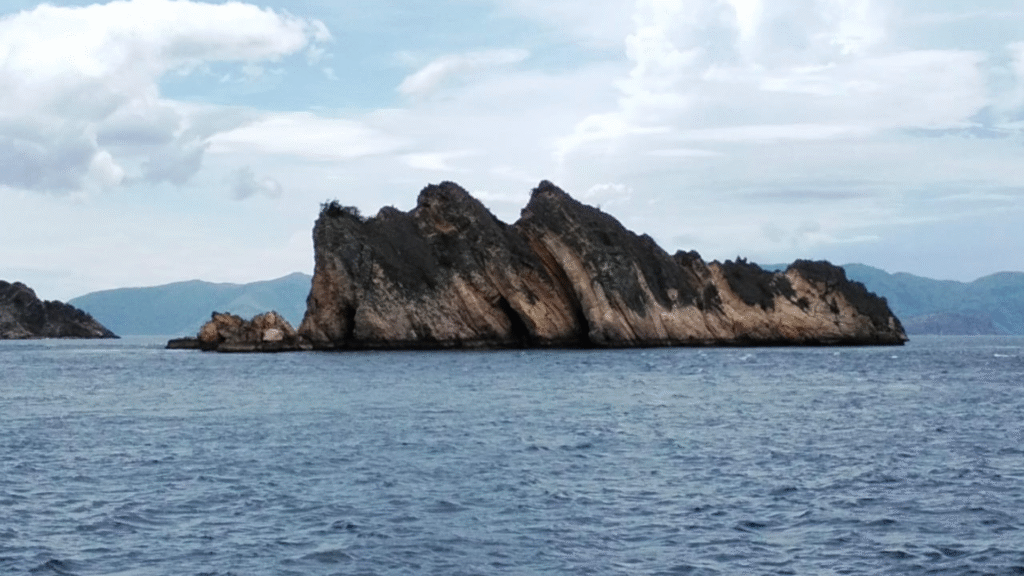
Introduction The Komodo National Park (KNP) is one of Indonesia’s flagship conservation areas, known globally as the habitat of the Komodo dragon (Varanus komodoensis) and designated a UNESCO World Heritage Site. The park’s management is carried out by the Komodo National Park Authority (Balai Taman Nasional Komodo or BTNK), which is responsible for conservation, monitoring, […]
Loh Buaya Development Report
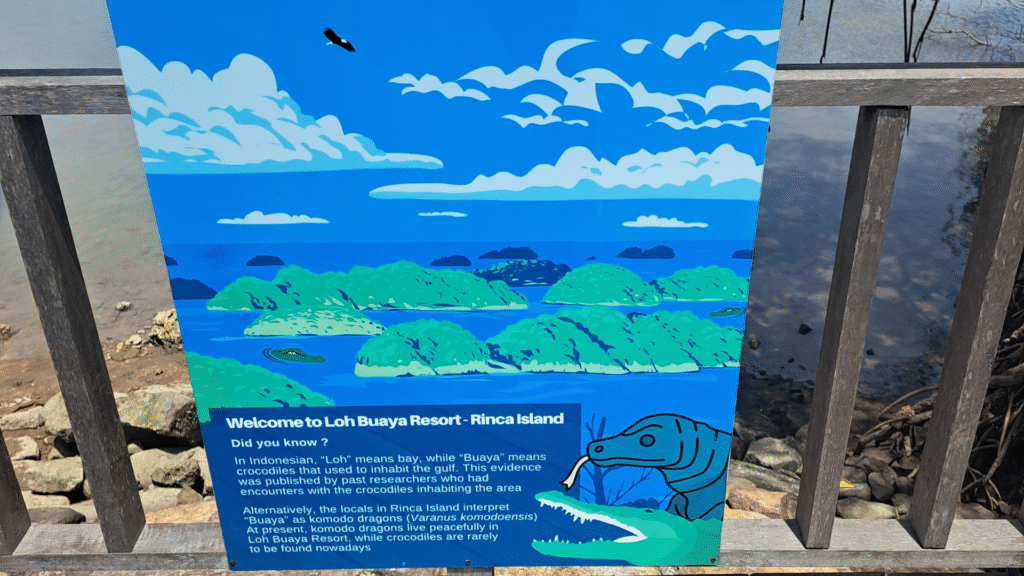
Introduction Loh Buaya Valley is one of the main areas on Rinca Island, part of Komodo National Park (KNP)—a wildlife sanctuary and an important nature tourism destination in West Manggarai, East Nusa Tenggara. This location is well known as the natural habitat of the Komodo dragon (Varanus komodoensis), a protected species, and serves as a […]
Two Cruise Ships Dock Simultaneously at Komodo Island, Bringing Thousands of Foreign Tourists

On Thursday, April 10, 2025, two international cruise ships arrived and docked together in the waters of Komodo Island, part of Komodo National Park in Manggarai Barat, East Nusa Tenggara, Indonesia. The cruise vessels — Paul Gauguin and MS Seven Seas Voyager — brought a significant number of foreign tourists and crew members, even though […]
Natural History Guide to Komodo National Park
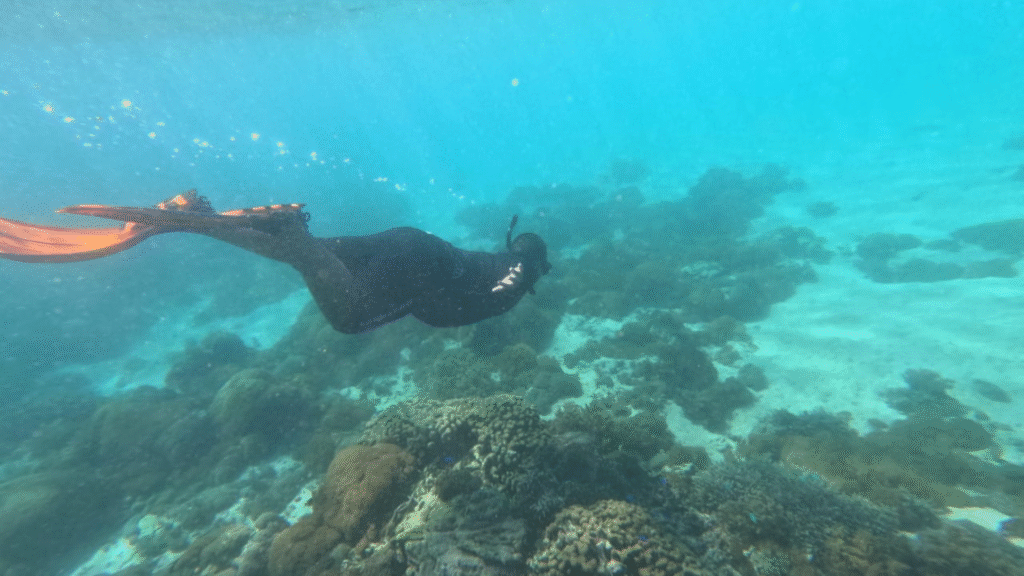
Exploring the Rich Marine Ecosystems of Komodo The Natural History Guide to Komodo National Park – Book 2 focuses on the marine ecology of Komodo National Park, one of Indonesia’s most biodiverse and globally significant conservation areas. This guide complements the first volume, which explored terrestrial ecosystems, by giving a detailed look at the underwater […]
RPTN Komodo 2000–2025: Long‑Term Management Plan for Komodo National Park

The RPTN Komodo 2000–2025 is a long‑term management planning document that outlines the strategic direction, policies, and actions for managing Komodo National Park over a 25‑year period from 2000 to 2025. This plan serves as a core framework for all conservation and sustainable use programs within this iconic protected area. Background and Purpose of the […]
Statistics of Komodo National Park Authority 2019

Visitor Numbers and Wildlife Population Data On 2019, Komodo National Park recorded a significant increase in visitor numbers, making it one of the most visited conservation areas in Indonesia. That year, the total number of tourists visiting the park reached 221,703, rising sharply from 176,834 in 2018, reflecting growing global interest in this iconic destination. […]
Forest Fire Management in Komodo National Park

Strategies, Risks, and Conservation Role Forest fire management in Komodo National Park is an important part of protecting the park’s terrestrial ecosystems. Komodo National Park includes extensive savanna and monsoon forest landscapes, which are naturally prone to fires, especially during the long dry season typical of the region. Vegetation and Fire Risk Most of Komodo’s […]
 English
  Arabic
  Chinese
  French
  German
  Italian
  Korean
  Russian
  Spanish
  Indonesian