

Он Prey Species Distribution Map of the Komodo Dragon (Varanus komodoensis) provides an important overview of the locations where key prey animals are found within Komodo National Park. This thematic map helps researchers, conservation managers, and ecotourism planners better understand predator–prey interactions in different parts of the park — including Loh Tongker, Loh Wau, Гили Мотанг, Nusa Kode, Падар, Loh Baru, Loh Boko, Loh Dasami, Loh Lawi, и Loh Sabita.
🦎 Why Mapping Prey Matters for Komodo Conservation
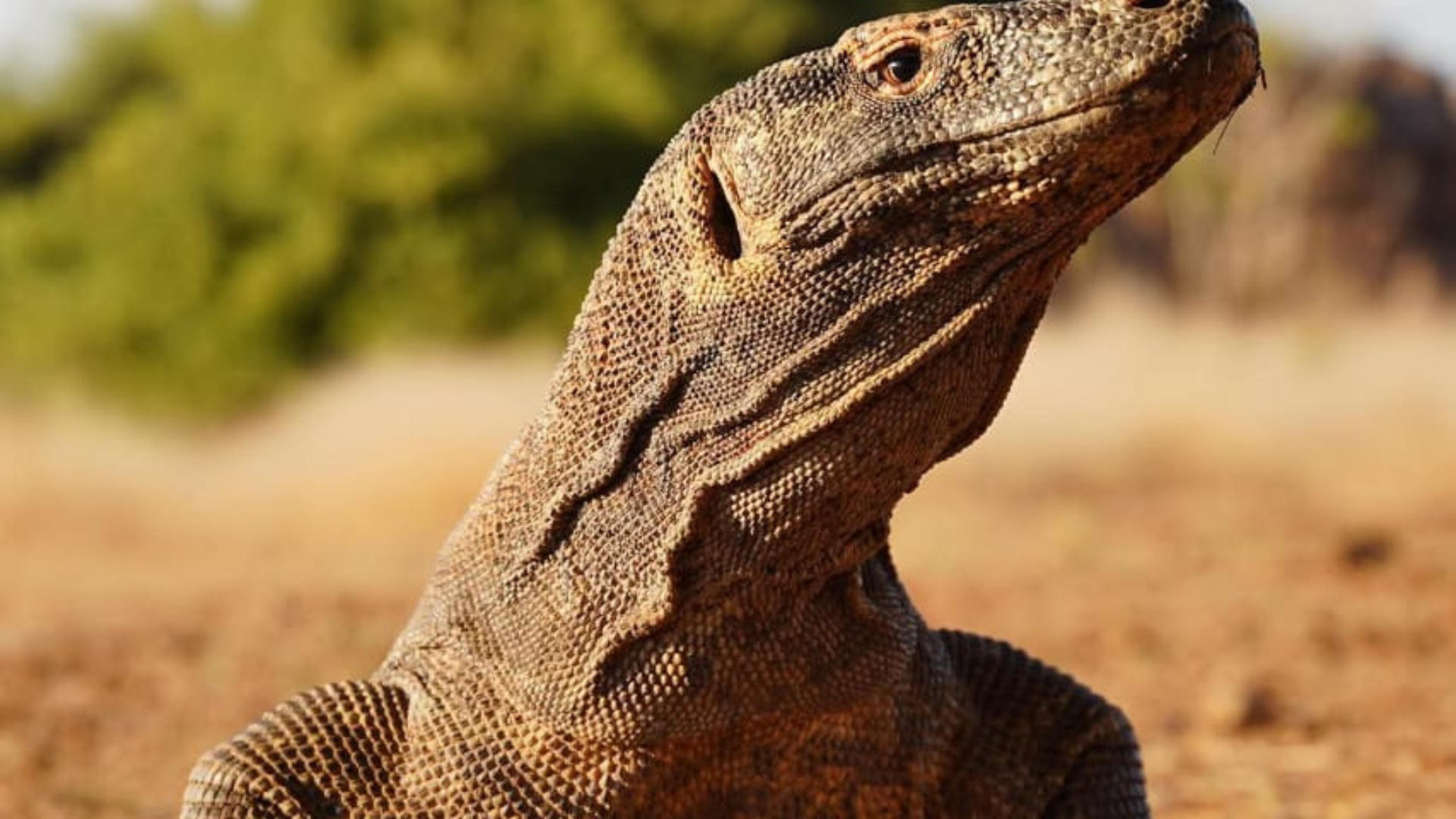
Комодские вараны — это высшие хищники in their ecosystems. Knowing where their prey species occur is essential for:
- Assessing habitat quality and carrying capacity of different areas within the park.
- Understanding population dynamics, since dragon numbers naturally fluctuate with prey availability.
- Planning conservation actions such as habitat protection and anti‑poaching patrols.
- Improving ecotourism experiences by identifying zones where wildlife encounters are likely.
Prey distribution maps also help park staff monitor how prey availability varies across islands and sites over time, which can reflect habitat differences, seasonal changes, and human impacts.
🐐 Main Prey Species of Комодские драконы
Komodo dragons are opportunistic carnivores that feed on a wide range of animals, but several large mammals make up the core of their diet. Research and ecological surveys show that these include:
- Тиморский олень (Cervus timorensis) — by far the most common prey and primary food source across the park’s islands.
- Дикий кабан (Sus scrofa) — frequently eaten due to their abundance in certain valleys and forests.
- Водяной буйвол (Bubalus bubalis) — can be hunted by large adult dragons and also may be scavenged.
- Long‑tailed macaques (Macaca fascicularis) — significant in some areas, especially where they forage on the ground.
- Smaller mammals and birds — such as civets, rodents, and ground‑dwelling species; juveniles and sub‑adults often rely on these smaller prey before growing large enough to hunt bigger mammals.
These prey species occupy a variety of habitats — from savanna grasslands к lowland forests and mangroves — and their distribution patterns influence where Komodo dragons search for food and establish home ranges.
🗺️ Spatial Variation in Prey Abundance
Prey distribution is not uniform across all islands or valleys in the park:
- Higher prey densities are often recorded in larger lowland valleys with abundant forage for herbivores, such as Timor deer and wild boar.
- Smaller or rugged islands may have lower densities of large prey due to limited forage, meaning dragons in these areas may rely more on smaller mammals or even carrion.
- Habitat type and seasonality — such as wet vs. dry seasons — influence prey movement and local abundance, which in turn affects dragon hunting behavior and spatial use of landscapes.
By regularly updating prey distribution maps, park managers can track ecological changes that may signal shifts in prey populations, habitat conditions, or the impacts of climate variations.
🌿 Conservation and Management Implications
Mapping prey species is a critical component of Комодский дракон conservation for several reasons:
🧠 Informed Habitat Protection: Understanding where important prey species thrive allows protection of key ecosystems and feeding grounds.
📊 Population Monitoring: Prey availability directly affects dragon reproductive success and juvenile survival, making it a key indicator of overall population health.
🚶♂️ Sustainable Tourism: Tour operators can use prey maps to guide visitors to areas with abundant wildlife, increasing the chance of observing natural predator–prey interactions without disturbing sensitive habitats.
In addition, because Комодские драконы are apex predators, changes in prey species distribution can signal broader ecological shifts that may require adaptive management strategies.
🏁 Заключение
Он Prey Species Distribution Map of the Komodo Dragon is more than just a visual tool — it’s a strategic resource for conservation planning, ecological research, and sustainable tourism management in Komodo National Park. By identifying where key prey animals are located across islands, valleys, and habitat types, biodiversity specialists can better understand how predator–prey relationships shape the unique ecosystems of this World Heritage site — ensuring the long‑term survival of both Komodo dragons and their prey.
“Limited spots available! Visit komodopadartour.com Забронируйте тур сегодня, пока места еще есть!


 English
  Arabic
  Chinese
  French
  German
  Italian
  Korean
  Russian
  Spanish
  Indonesian