
Isola di Komodo is one of the few places on Earth where you can encounter a real-life “dragon.” The Drago di Komodo (Varanus komodoensis) is not a myth—it is the largest living lizard in the world and one of Indonesia’s most iconic wildlife species. Found only in a handful of islands within Komodo National Park, these incredible reptiles attract travelers and researchers from around the globe.
The Largest Lizard on Earth


Komodo dragons are true giants of the reptile world. They can grow up to 3 metri (10 piedi) di lunghezza and weigh over 130 kg (300 pounds), making them the heaviest and largest lizards alive today .
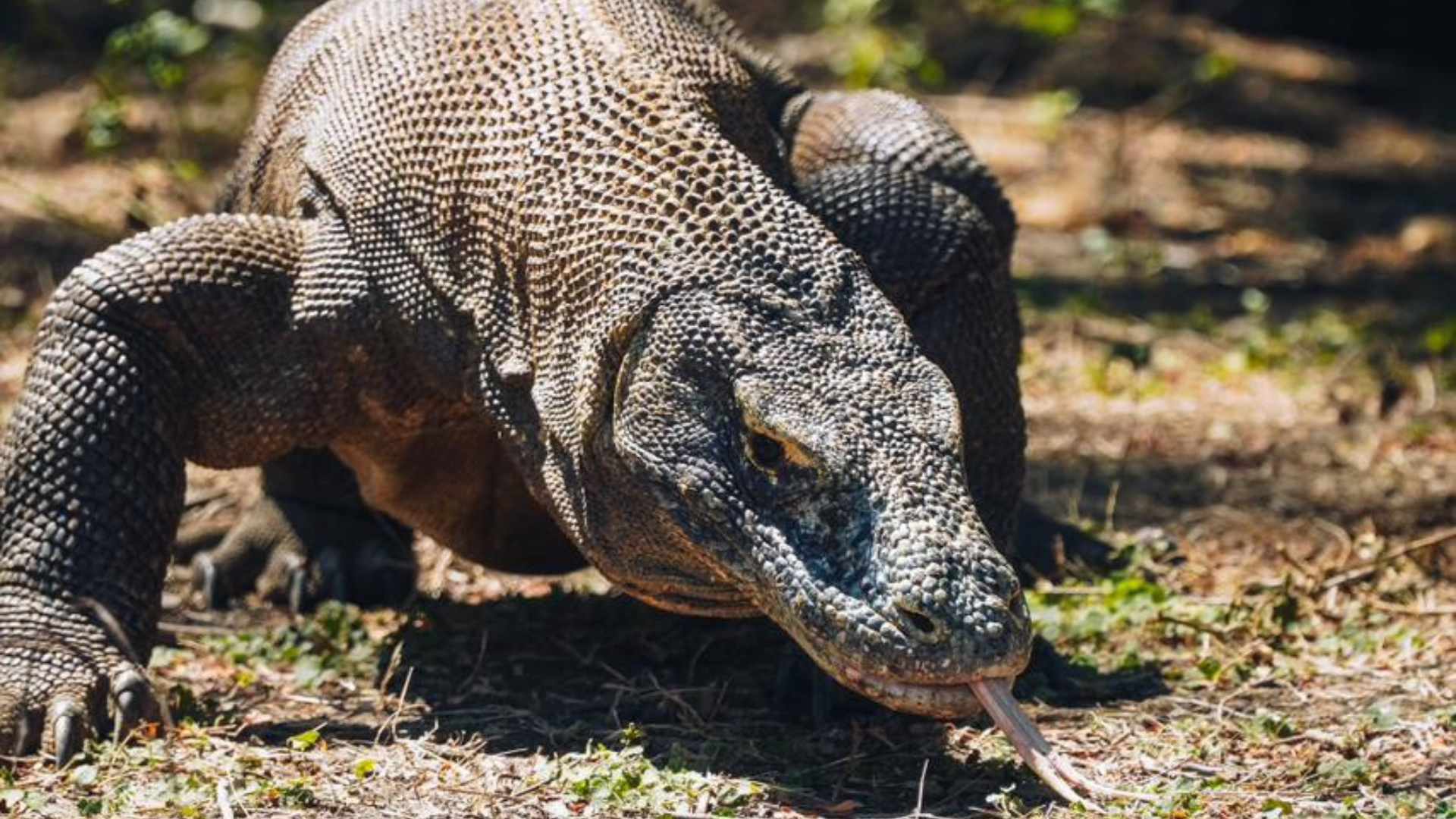
They have:
- Long, muscular tails
- Strong limbs and sharp claws
- Rough, armored skin
- A forked tongue used to detect scents in the air
Their powerful body and prehistoric appearance make them look like creatures from another era.
Where Do Komodo Dragons Live?
Komodo dragons are native only to Indonesia, especially in:
- Isola di Komodo
- Isola di Rinca
- Isola di Flores
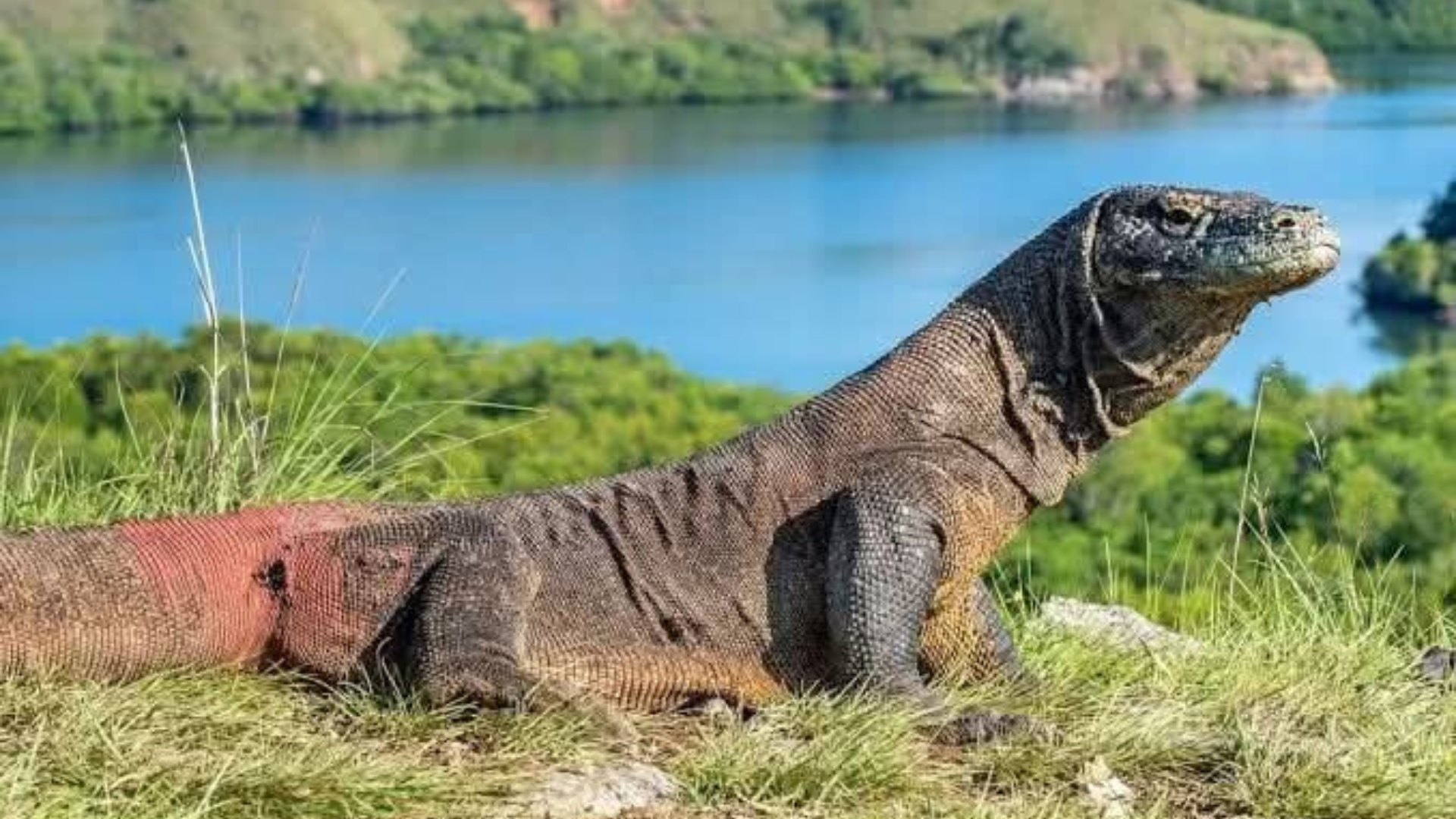
They inhabit tropical savannas, forests, and coastal areas, adapting well to hot and dry environments .
Despite their ability to move long distances, they usually stay within a specific territory where they were born.
Diet and Hunting Strategy


I draghi di Komodo sono predatori al vertice della catena alimentare, meaning they are at the top of the food chain. They are carnivores and will eat almost anything, including:
- Cervo
- Wild pigs
- Water buffalo
- Smaller dragons
- Carogne (animali morti)
Their hunting technique is both patient and deadly. They often lie in ambush, waiting for prey to pass by. Once they attack, their sharp teeth create deep wounds, and their venom prevents blood clotting, causing the prey to weaken and eventually die .
Interestingly, they can track injured prey for kilometers using their strong sense of smell.
Unique Behavior and Reproduction
Draghi di Komodo are mostly solitary animals, except during mating and feeding times. They are known for their dominance and sometimes even cannibalistic behavior.
One of their most fascinating abilities is partenogenesi—a form of reproduction where females can produce offspring without males .
A female can lay around 20–30 eggs, which hatch after several months. Baby Komodo dragons often live in trees to avoid being eaten by adults.
Are Komodo Dragons Dangerous?
Yes—Draghi di Komodo are powerful and potentially dangerous animals. While attacks on humans are rare, they can occur.
Their strength, speed, and venomous bite make them formidable predators. That’s why visitors in Komodo National Park must always be accompanied by trained park rangers during trekking.
Conservation and Protection
Komodo dragons are currently classified as endangered, mainly due to:
- Perdita di habitat
- Cambiamento climatico
- Attività umana
- Limited geographic range
To protect them, the Indonesian government established Parco nazionale di Komodo, a UNESCO World Heritage Site that helps preserve both the dragons and their ecosystem.
Experience Komodo Dragons in the Wild
Seeing a Drago di Komodo in its natural habitat is a once-in-a-lifetime experience. Walking through the savannah of Komodo Island and spotting these giant reptiles up close is both thrilling and unforgettable.
Plan Your Komodo Adventure
Ready to meet the legendary Komodo dragon?
Vivi l'avventura della tua vita: prenota subito il tuo pacchetto turistico per il Parco Nazionale di Komodo su komodopadartour.com


 English
  Arabic
  Chinese
  French
  German
  Italian
  Korean
  Russian
  Spanish
  Indonesian