
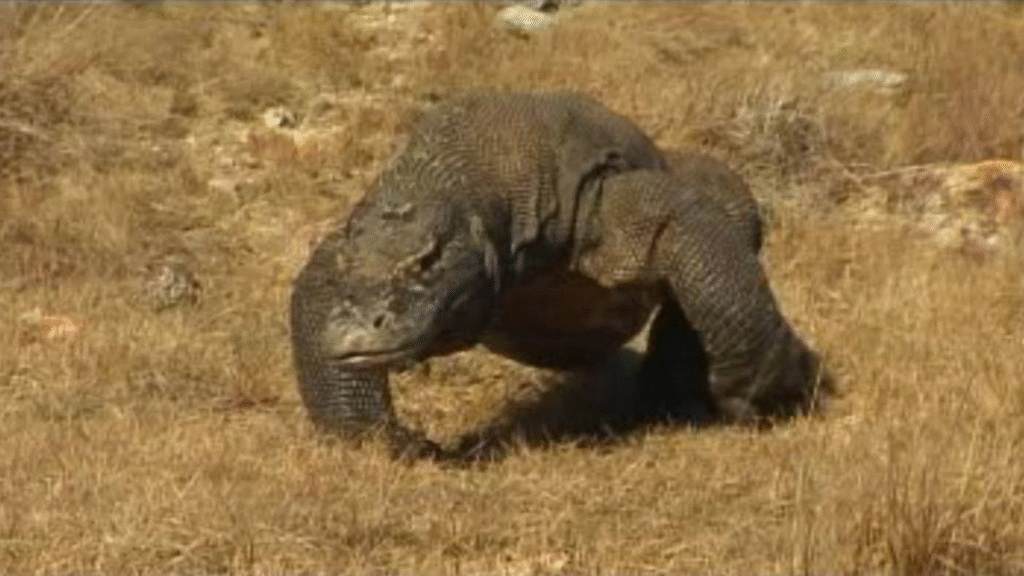
Parco nazionale di Komodo (KNP) is one of Indonesia’s premier conservation areas, recognized globally for its unique terrestrial and marine biodiversity, including the iconic Komodo dragon and some of the richest coral reef ecosystems on Earth. However, despite legal protections, destructive fishing practices continue to threaten the marine environment within the park’s waters.
The Threat of Hookah Compressor Fishing
One of the most harmful fishing methods identified in KNP is the use of hookah compressors, a form of surface-supplied diving gear that allows fishermen to stay underwater for extended periods without proper safety equipment. These compressors deliver air through hoses from a pump on the boat, enabling divers to reach deeper parts of the reef and hunt valuable species like lobsters, shellfish, and live reef fish. While effective for catching fish, this method is highly destructive because it encourages extensive coral breakage and overharvesting of vulnerable species.
Hookah compressor fishing is often associated with other illegal practices such as cyanide fishing E blast fishing, which further devastate coral habitats and marine biodiversity. Because of the high value of reef fish and invertebrates, outside fishing communities have increasingly used compressors within park boundaries, resulting in severe pressure on reef ecosystems.
Legal Framework and Existing Regulations
Although Indonesian law and park zoning regulations officially prohibit harmful fishing methods – including explosives, poisons, and the use of compressors within no-take zones – enforcement remains inconsistent. The zoning plan for Komodo National Park clearly lists hookah compressors as prohibited fishing gear in many areas, yet compliance is weak due to limited patrol capacity and ongoing pressure from commercial fishermen.
Why Banning Hookah Compressors Matters
The call to ban hookah compressors in the park is driven by several urgent conservation goals:
- Protect Coral Reefs: Reef structures are vital habitats and nurseries for countless marine species. Compressor fishing physically damages these habitats, breaking coral and reducing biodiversity.
- Sustain Fish Stocks: The targeted species – such as lobsters and high-value reef fish – are slow to recover from overexploitation. Removing destructive gear helps protect breeding populations.
- Support Enforcement and Regulations: Although compressors are already banned on paper, a more effective and enforced ban is necessary to close loopholes and deter offenders.
Combating Destructive Fishing: Strategies and Challenges
Efforts by park authorities, conservation groups, and local communities focus on several approaches:
- Stronger Law Enforcement: Regular patrols involving park rangers, navy personnel, police, and fisheries officials help reduce illegal fishing. These patrols have contributed to significant declines in blast fishing, but compressors remain a persistent problem.
- Zoning and Regulation: Park zoning restricts harmful gear types in critical zones; enforcing these rules is key to long-term reef protection.
- Community Engagement and Alternatives: Promoting sustainable livelihoods such as pelagic fishing, mariculture, and ecotourism encourages local fishers to abandon destructive methods
- Political Will and Awareness: Meaningful conservation requires political commitment and broader awareness among stakeholders, including fishermen and policymakers, to prioritize marine protection over short-term gains.
Conclusione
Destructive fishing practices like hookah compressor fishing continue to jeopardize Parco nazionale di Komodo marine ecosystems. Although legislation exists to ban these methods, effective enforcement and community-supported alternatives are crucial to safeguard the park’s unique biodiversity. A comprehensive ban on hookah compressors, backed by robust monitoring and sustainable economic opportunities for local fishers, can help ensure the long-term health of Komodo’s marine environment for future generations.
Non perderti l'opportunità di esplorare Padar Island, Pink Beach, Manta Point e molto altro: prenota subito il tuo posto., Contattaci
 English
  Arabic
  Chinese
  French
  German
  Italian
  Korean
  Russian
  Spanish
  Indonesian