
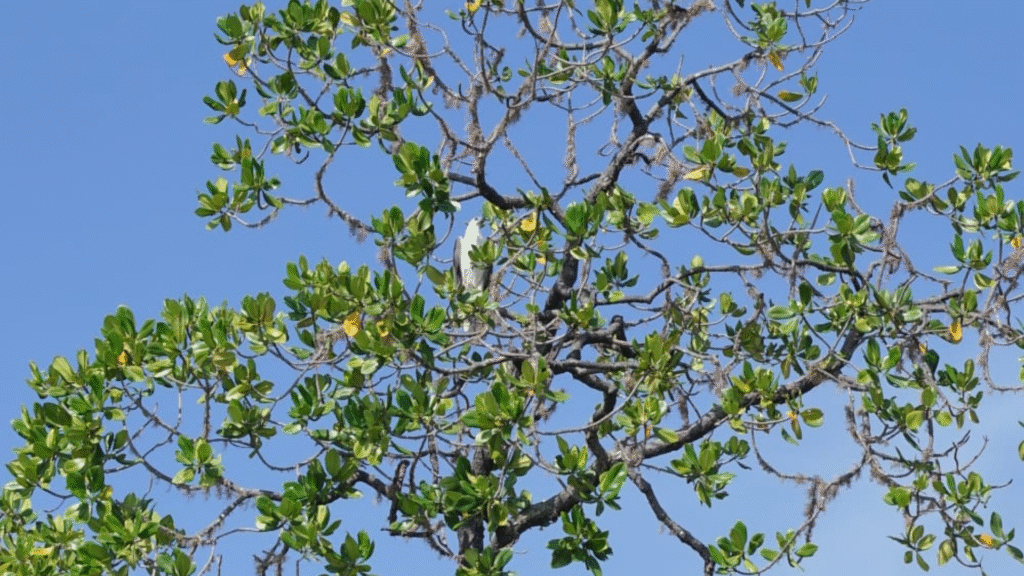
Komodo National Park is globally known for its iconic Drago di Komodo, but the park’s biodiversity extends far beyond this flagship species. Among the fascinating wildlife that inhabit the park’s ecosystems are bats (Chiroptera) — nocturnal mammals that play vital roles in pollination, seed dispersal, and insect control across the islands. Monitoring their populations and behavior helps park managers better understand the health of terrestrial ecosystems and contributes to broader conservation goals.
Although the specific report “Laporan Monitoring Kelelawar” is hosted on the Komodo National Park website, similar monitoring activities involving bats have been documented by park staff and communities as part of broader wildlife observation programs.
🦇 Why Bat Monitoring Matters
Bats are important indicators of ecosystem health because they interact with many components of the environment:
- Many bat species feed on insects, helping control pest populations naturally.
- Fruit‑eating and nectar‑feeding bats contribute to forest regeneration through seed dispersal and pollination.
- Changes in bat abundance or behavior can signal habitat disturbance or changes in prey availability.
By monitoring bats, park managers gain insights into environmental conditions that may not yet be visible through more obvious signs such as vegetation changes or direct disturbance. This type of monitoring supports adaptive management of protected areas like Komodo National Park.
🛰️ How Bat Monitoring Is Conducted
In Komodo National Park, bat monitoring has been included in field observations at specific sites like Pulau Kalong (Bat Island) near Rinca. Here’s how these activities typically work:
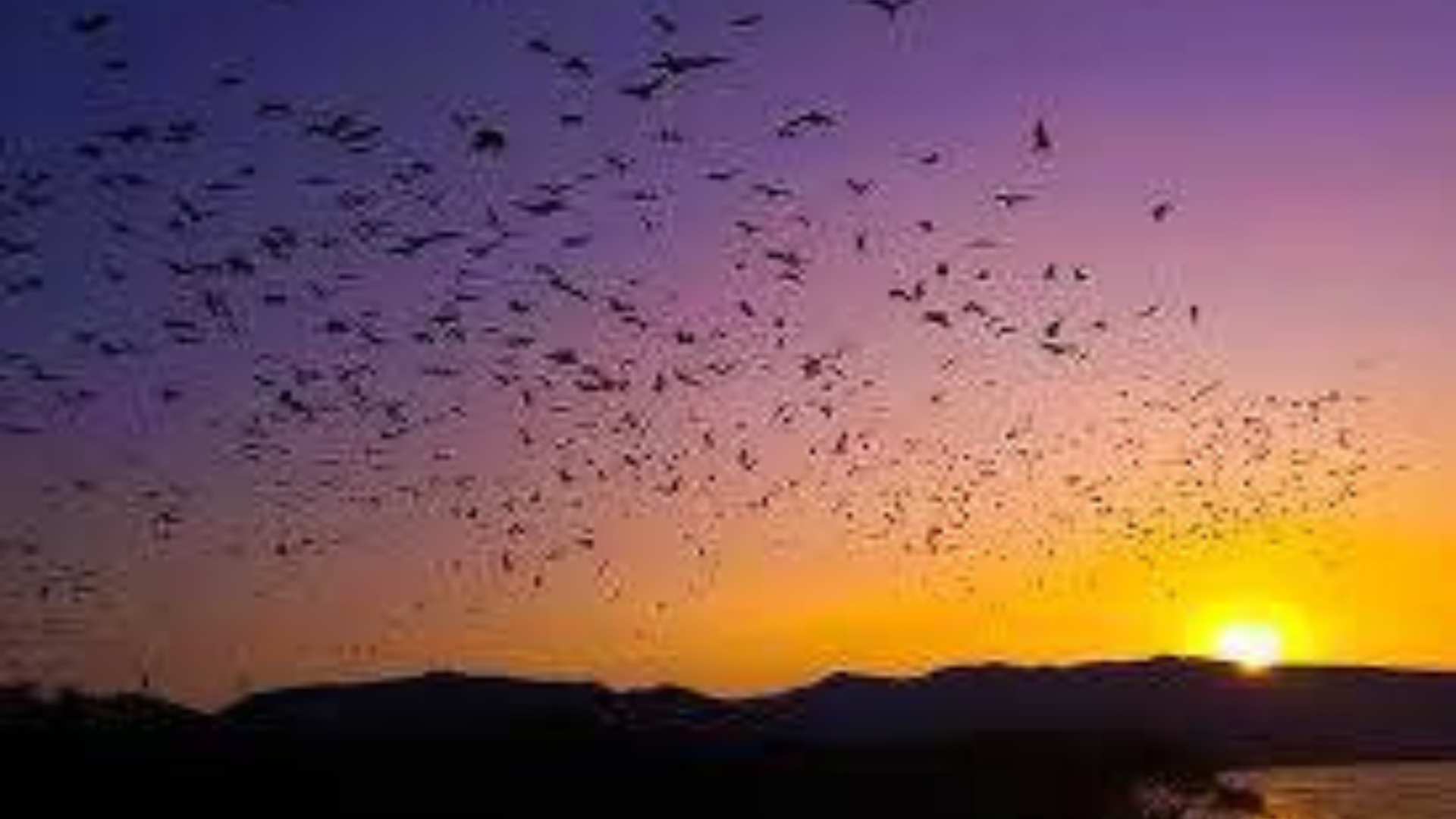
- Observation of Bat Emergence: Local rangers and community volunteers count bats as they emerge at dusk from roosting areas such as mangroves or hollow trees. These counts help estimate population size and activity patterns.
- Community‑Based Participation: Monitoring often involves members of the local village communities working alongside park staff. This collaboration not only improves data collection but also fosters local stewardship for wildlife conservation.
- Integration with Other Wildlife Monitoring: Bat observations are sometimes recorded concurrently with other species monitoring — such as turtles, deer, and Komodo dragons — to build a more complete picture of ecosystem health.
🌍 Bats in the Ecosystem of Komodo National Park
Komodo National Park’s landscape — a mix of dry savanna, forested valleys, coastal mangroves, and isolated islets — provides habitats suitable for several bat species. While the specific species composition has not been fully detailed in public summaries of the bat monitoring report, bats such as flying foxes (large fruit bats) are known to be observed in mangrove and forest edges, especially at places like Pulau Kalong Rinca where large bat colonies roost.
The presence and activity patterns of these bats are not only of biological interest but also contribute to visitor experiences, as evening flights of bats departing roosts can be witnessed from boats or nearby observation points.
🧭 Implicazioni per la conservazione
Monitoring bats supports several objectives in park management:
- Understanding long‑term trends: Consistent monitoring can reveal changes in bat populations that may correlate with environmental stressors (e.g., habitat degradation or climate variation).
- Supporting ecosystem resilience: Bats’ roles as pollinators and insect predators mean that stable bat populations contribute to broader ecosystem stability.
- Linking local communities: Involving community members in monitoring builds local conservation capacity and raises awareness about lesser‑known but ecologically important species
🪶 Conclusione
Mentre Parco nazionale di Komodo is widely celebrated for the Komodo dragon, its biodiversity includes many other remarkable animals like bats, whose nocturnal lives contribute significantly to the ecological functioning of the park. Monitoring bat populations — including their emergence patterns and habitat use — is an important part of understanding and protecting the park’s ecosystems. Through collaborative efforts involving park rangers and local communities, these activities enrich scientific knowledge and support conservation strategies that extend beyond the iconic dragon
“Turn your travel dreams into reality — book our exclusive Komodo tour packages and explore multiple islands in one trip, Contattaci



 English
  Arabic
  Chinese
  French
  German
  Italian
  Korean
  Russian
  Spanish
  Indonesian