

Komodo National Park, located between the islands of Flores and Sumbawa in eastern Indonesia, is a globally significant conservation area that harbors an extraordinary diversity of ecosystems both on land and at sea. An Ecosystem Map of Komodo National Park provides a visual representation of how these natural environments are distributed across the park’s landscape, offering insights into habitat types, biodiversity hotspots, and ecological connections that support iconic species like the Komodo dragon (Varano di Komodo) and rich marine life.
🏞️ Terrestrial Ecosystems: From Savanna to Forest
he terrestrial portion of Komodo National Park features several distinct ecosystems shaped by a dry tropical climate, rugged volcanic topography, and seasonal rainfall patterns. These include:
Savanna Grasslands:
Savanna is the dominant terrestrial ecosystem in the park, covering vast open hills and plains characterized by tall grasses and scattered trees.
This habitat supports grazing mammals like Timor deer, wild boar, and water buffalo—the main prey of the Komodo dragon—which in turn influences predator behavior and population dynamics.
The fire‑adapted grasses and shrubs of the savanna reflect the region’s dry conditions and periodic burn cycles.
Tropical Deciduous (Monsoon) Forest:
Found in moister valleys and lower slopes, this forest type sheds leaves during dry spells but becomes lush and green in the wet season.
It provides shelter, shade, and critical nesting habitat for a variety of bird species and smaller mammals.
Quasi‑Cloud Forest:
At higher elevations, isolated patches of cloud‑like forest occur, with denser canopy cover and unique flora adapted to higher moisture and cooler temperatures.
Although limited in extent, this ecosystem contributes to the park’s ecological diversity.
Mangrove Forests:
Stretching along sheltered shorelines, mangrove ecosystems are vital transitional zones between land and sea.
These forests trap sediment, protect shorelines from erosion, filter pollutants, and provide nursery areas for fish and crustaceans
🌊 Marine Ecosystems: Reefs, Seagrass, and Deep Waters
Approximately two‑thirds of the park’s area lies underwater, making its marine ecosystems some of the richest in the Triangolo dei coralli — a global center of marine biodiversity. The ecosystem map includes:
Coral Reefs:
- Komodo National Park is home to extensive coral reef systems with hundreds of coral species.
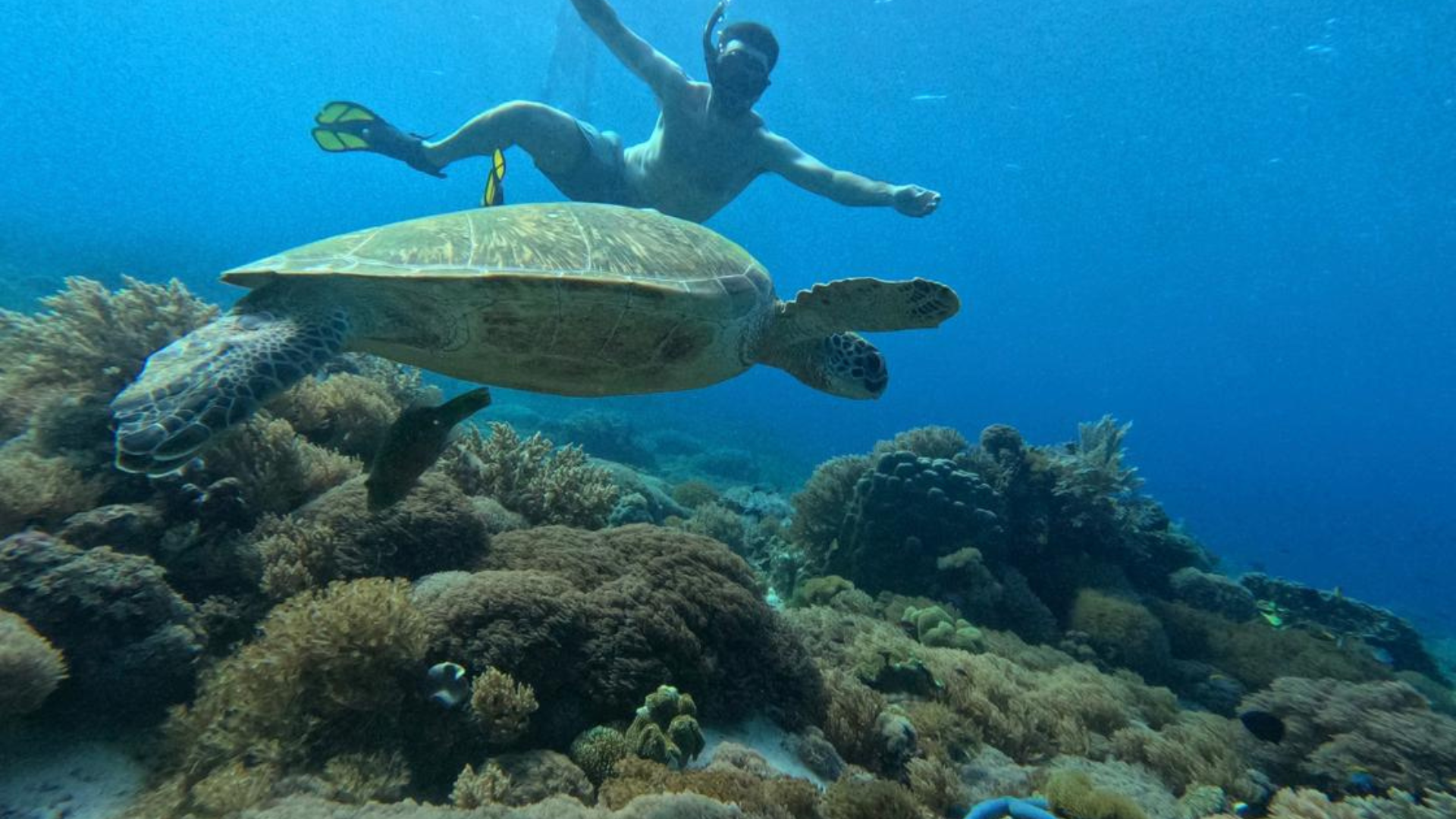
- These reefs support thousands of marine organisms, from reef fish and turtles to invertebrates and delicate sponges.
- Healthy coral reefs are critical for fisheries and a major draw for scuba divers worldwide.
Seagrass Beds:
- Submerged near shorelines, seagrass meadows play an important ecological role by stabilizing sediments, cycling nutrients, and providing feeding grounds for species such as green sea turtles and dugongs.
- Seagrass ecosystems also support juvenile fish and invertebrates, forming an essential link in the marine food web.
Deep Marine Zones:
- Off the coast lie deeper waters influenced by strong currents that help circulate nutrients and support pelagic life, including sharks, rays, and migratory cetaceans.
- These zones are less visible but play vital roles in oceanic connectivity and species migrations.
🐾 Linking Ecosystems with Biodiversity
Komodo National Park’s ecosystems are more than just isolated habitats — they are interconnected ecological networks that support an astonishing range of life:
- Terrestrial ecosystems provide the backbone for land animals, including Komodo dragons, deer, macaques, civets, and endemic species found nowhere else on Earth.
- Mangroves and seagrass beds serve as bridges between land and sea, nurturing young marine organisms while protecting coastal integrity.
- Coral reefs and deep sea zones sustain an incredible array of marine flora and fauna, from colorful reef dwellers to large pelagic species like manta rays and sharks.
This ecological integration makes Komodo National Park a microcosm of the Wallacea region, where species and ecosystems reflect a unique blend of Asian and Australasian evolutionary influences.
🌍 Conservation and Sustainable Tourism
The Ecosystem Map of Komodo National Park is an essential tool for park managers, researchers, educators, and visitors. By outlining where different ecosystem types occur, this map helps:
- Guide conservation priorities and habitat protection initiatives.
- Support scientific research into species distribution, habitat health, and climate impacts.
- Inform sustainable tourism planning that minimizes human impact on sensitive areas.
- Educate visitors about the complexity and value of natural ecosystems that go far beyond the park’s iconic reptiles
🏁 Conclusione
IL Ecosystem Map del Parco Nazionale di Komodo reveals a rich and diverse environmental tapestry that includes expansive savannas, tropical forests, mangroves, coral reefs, seagrass beds, and deep marine waters. These ecosystems support a multitude of life forms — from terrestrial giants like the Komodo dragon to microscopic marine organisms — and illustrate why Komodo National Park is recognized as a UNESCO World Heritage Site and a global conservation priority.
Inizia subito la tua avventura: assicurati il tuo pacchetto turistico per Komodo con pochi clic, Contattaci


 English
  Arabic
  Chinese
  French
  German
  Italian
  Korean
  Russian
  Spanish
  Indonesian