

Komodo National Park, widely known for its legendary Drago di Komodo, hosts a remarkable diversity of wildlife — including pipistrelli volanti, localmente noto come kalong, that play important ecological roles within the archipelago’s ecosystems. The Distribution Map of Kalong in Komodo National Park illustrates the key habitats and movement areas of these nocturnal mammals, particularly in mangrove‑rich islets such as Kalong Island near Rinca.
🦇 What Are Kalong and Why They Matter
The term kalong refers to large fruit bats, especially species like the giant flying fox (Pteropus vampyrus), which are common in parts of Indonesia including the Lesser Sunda Islands. These bats are distinguished by their impressive wingspans (often over one meter) and their nightly flights from roosting areas to feeding grounds in search of fruit and nectar.
Kalong are critical components of tropical ecosystems because they:
- Pollinate plants and transfer pollen between distant trees.
- Disperse seeds across wide areas, aiding forest regeneration and resilience.
- Serve as indicators of habitat health, reflecting the condition of mangrove forests and fruiting tree populations.
🗺️ Where Kalong Are Found in the Park
Although the official Distribution Map of Kalong TN Komodo page on the park’s site currently only displays a placeholder layout, it refers to areas where kalong colonies are concentrated — especially in mangrove habitats around Pulau Kalong Rinca (Kalong Island) and similar coastal locales.
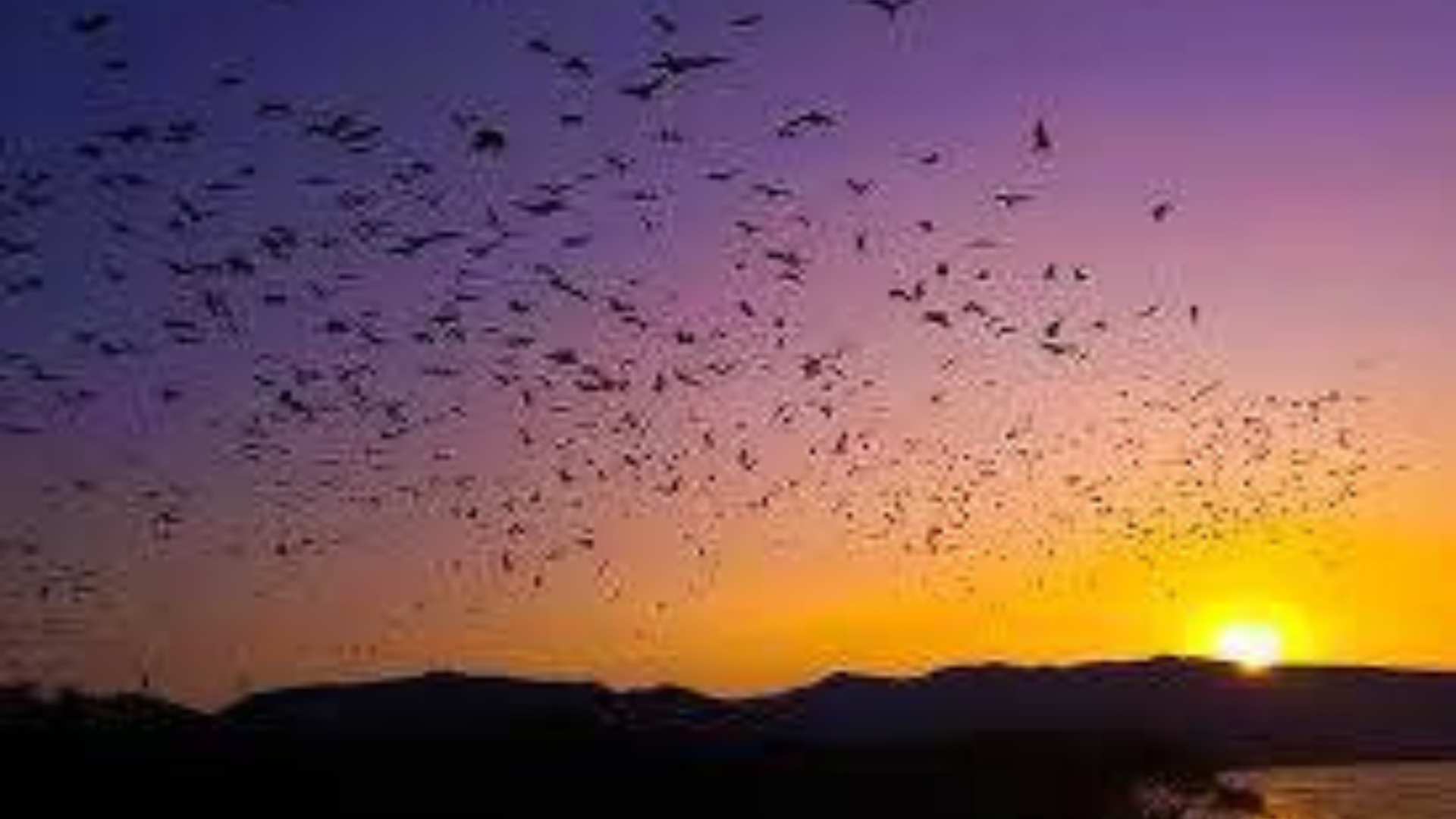
Pulau Kalong Rinca is renowned for its dense mangrove forest, which provides day‑time roosting sites for thousands of bats. At dusk, waves of kalong stream out from the island’s trees, forming dramatic columns of dark silhouettes against the sunset as they fly toward feeding areas on Isola di Flores, Isola di Rinca, and possibly nearby islets.
📊 Population Dynamics and Seasonal Movement
Ongoing monitoring conducted by park rangers — especially at Pulau Kalong Rinca and locations such as Mangrove Love Padar — reveals that kalong populations vary month by month, potentially influenced by weather patterns and food availability. Observations using emergence count methods (tracking bats leaving their roost at dusk) suggest:
- Monthly population estimates on Pulau Kalong Rinca ranged into the thousands of individuals depending on the season.
- Smaller yet significant colonies are found in other mangrove areas like Mangrove Love Padar.
- Seasonal patterns — such as rain or wind intensity — can affect the timing and number of bats emerging at dusk.
These data provide insight into spatial and temporal patterns of bat distribution and are useful for both conservation and visitor interpretation.
🌿 Ecological and Conservation Significance
Although flying foxes may not be classified as flagship species like the Komodo dragon, they remain ecologically invaluable:
Pollination and Seed Dispersal:
By flying long distances at night in search of fruit, kalong help distribute tree seeds across fragments of forest and mangrove landscapes — an essential process for long‑term ecosystem resilience.
Ecosystem Monitoring:
Changes in bat distribution or emergence behavior can signal broader environmental changes such as shifts in fruit tree phenology, habitat disturbance, or climate effects.
Visitor Experience:
The nightly emergence of bats from Kalong Island is also a unique wildlife spectacle that attracts tourists, offering an opportunity to educate visitors about nocturnal biodiversity and conservation values within the park.
🏁 Conclusione
IL Distribution Map of Kalong in Komodo National Park highlights the spatial patterns of flying fox bat populations — animals that are essential pollinators, seed dispersers, and indicators of ecosystem health. Concentrated around mangrove islands such as Pulau Kalong Rinca, these bats undertake daily flights toward feeding areas, forming one of the park’s most dramatic natural phenomena at dusk. Monitoring these patterns not only enriches our understanding of biodiversity in Komodo National Park but also supports strategies for sustainable ecosystem management and wildlife tourism.
Pianifica la tua fuga perfetta: scegli la durata e il pacchetto del tour che preferisci, quindi prenota facilmente online, Contattaci



 English
  Arabic
  Chinese
  French
  German
  Italian
  Korean
  Russian
  Spanish
  Indonesian