

The proposed arrangement of Taman Nasional Komodo — intended to transform it into a premium tourist destination — generated public controversy and wide media attention in Indonesia. Critics argued that the plan could disrupt the habitat alami Dan ecosystem of the Komodo dragon and complicate conservation efforts, while supporters emphasized economic and tourism benefits. The resulting media coverage on this debate reveals contrasting narratives and ideological positioning in Indonesian online news.
Latar belakang
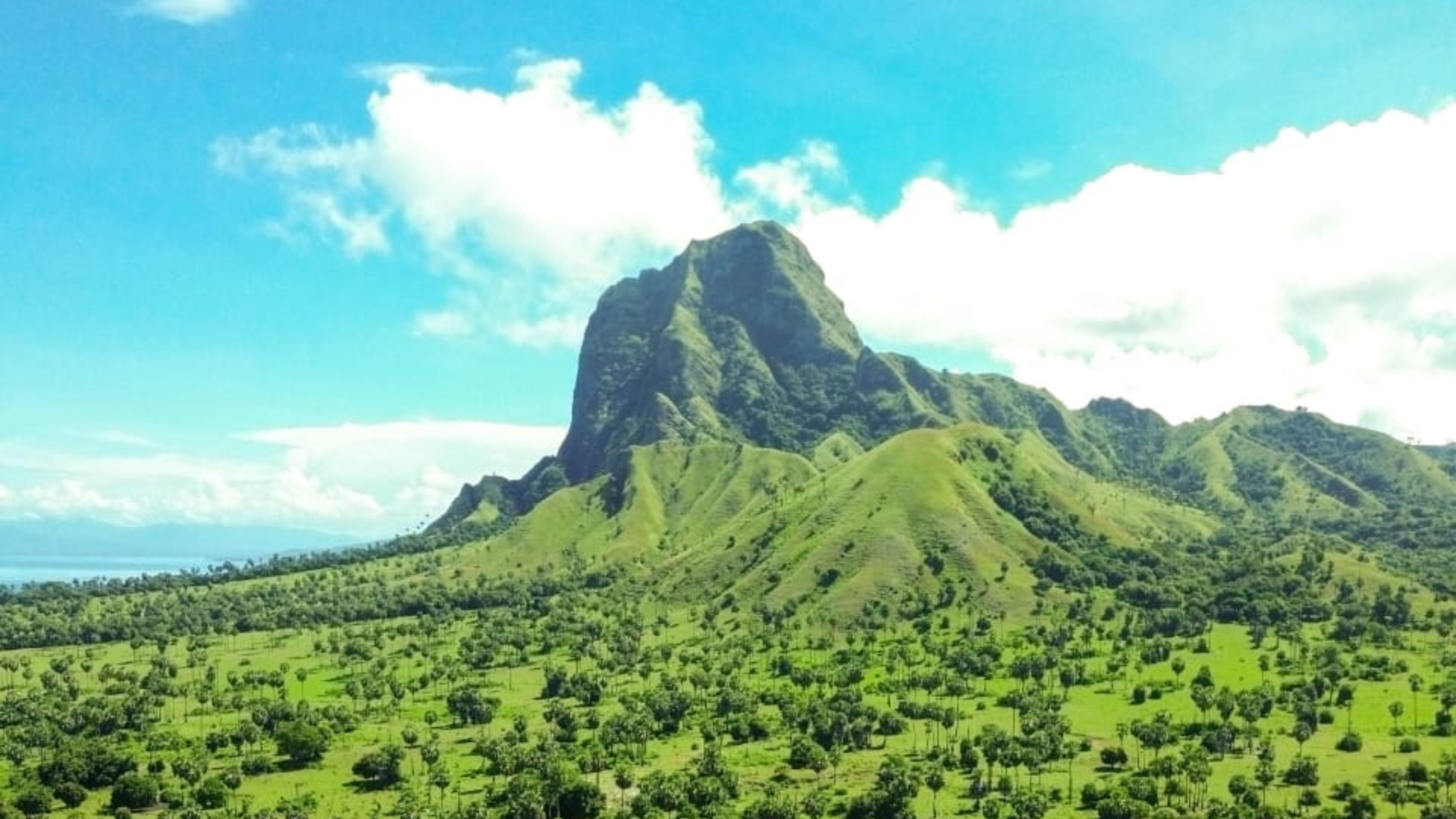
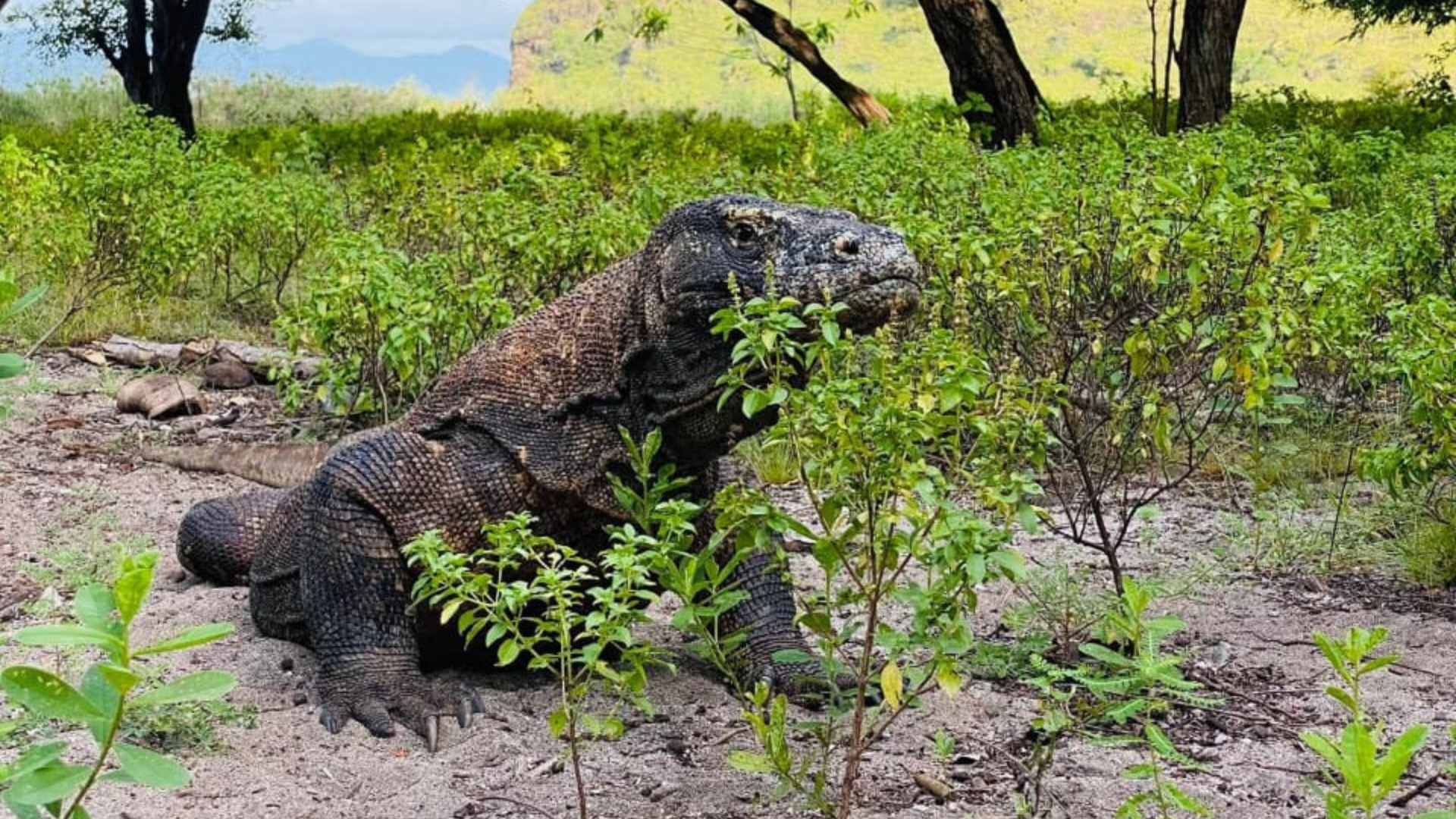
Komodo National Park, known for its endemic Naga Komodo and marine biodiversity, has long balanced tourism development with conservation priorities. Plans introduced by the Indonesian government to “arrange” or restructure parts of the park for higher-end tourism sparked contention among locals, conservationists, and national stakeholders. A now-viral photo showing Komodo dragons blocking trucks symbolized the tensions and drew further attention on social media.
This setting provided the basis for a Critical Discourse Analysis (CDA) of how two influential Indonesian online news portals — Tribunnews.com Dan Detik.com — reported on this issue. The study employed qualitative CDA methods to explore how each media outlet constructed the discourse, including which voices and perspectives were prioritized.
Research Method and Approach
Using critical discourse analysis, the researchers analyzed the content of articles from both online media sources that discussed the park’s arrangement controversy. This approach examines not just the facts presented, but how language choices, framing, and narrative structures can signal ideological positioning and influence reader interpretation.
Findings
1. Contrasting Media Alignments
The analysis revealed that each outlet tended to align with different sides of the debate:
- Tribunnews.com was found to present the arrangement plan in a more positive light, often highlighting government statements, official perspectives, and the potential benefits of developing the park into a premium tourism destination. This coverage generally reinforced institutional authority and framed the project as progressive and advantageous.
- In contrast, Detik.com tended to highlight criticisms, concerns, and opposition voices. Its articles emphasized public skepticism and environmental worries, giving space to individuals and groups who feared negative impacts on the Naga Komodo habitat. This framing cast the arrangement as controversial and potentially harmful.
2. Discursive Construction and Narrative Choices
The study showed that the two media outlets did not merely report the same facts but constructed distinct narratives:
- Tribunnews.com’s discourse leaned toward affirming the government’s developmental agenda and often used language that aligned with official rhetoric about tourism growth and modernization.
- Detik.com’s coverage revealed more critical and skeptical language, foregrounding concerns about conservation, ecological balance, and public resistance to changes in the park’s management.
Implications and Media Influence
The research highlights how online news media play an active role in shaping public discourse and influencing perceptions of environmental policy and tourism development. While both outlets reported on the same issue, their selective emphasis on different actors, quotes, and interpretations influenced how readers might perceive the arrangement of Komodo National Park.
This demonstrates the power of language and framing in media reporting — not just as a reflection of events, but as a participant in constructing social and political meaning. Such insights are especially important in debates over conservation, tourism policy, and sustainable use of natural heritage sites like Komodo National Park.
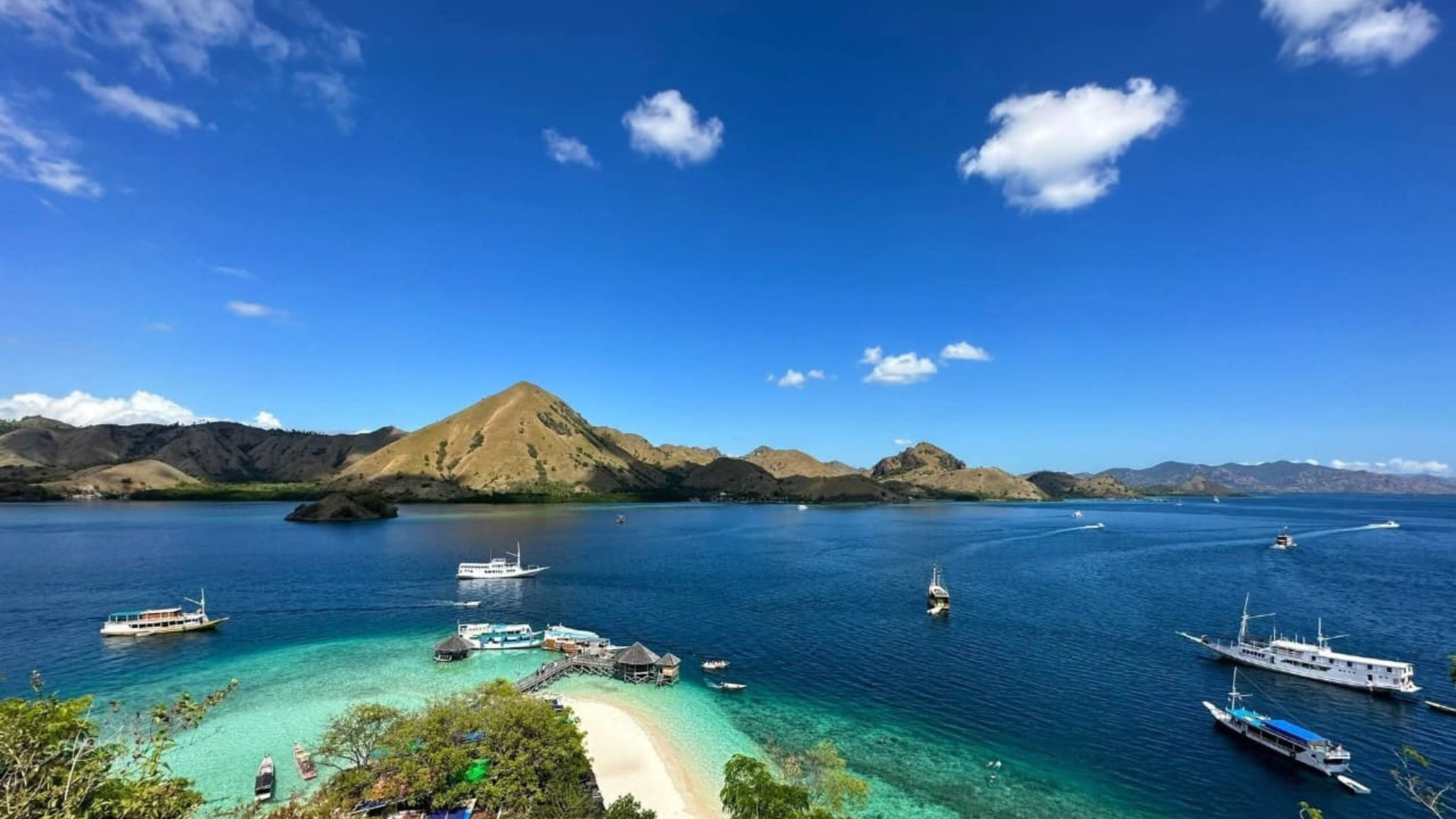
Bergabunglah bersama kami untuk menjelajahi pulau-pulau ikonik Komodo yang mendebarkan — dari titik pandang Padar hingga tempat snorkeling dengan air sebening kristal., Hubungi kami

 English
  Arabic
  Chinese
  French
  German
  Italian
  Korean
  Russian
  Spanish
  Indonesian