

Itu Komodo (Varanus komodoensis) is one of the most iconic and extraordinary reptiles on Earth, and its distribution is extremely limited compared to other large predators. The Peta Sebaran Komodo di Taman Nasional Komodo illustrates where this species lives and how its populations are spread across the protected area. Such maps are essential for conservation, habitat monitoring, and scientific research.
📍 Why a Distribution Map Matters
A distribution map shows the geographical locations where Komodo dragons are found, helping park managers, researchers, and conservationists better understand their habitat use and population patterns. This map is usually based on field survey data, GPS tracking, and observational records collected within Komodo National Park and adjacent areas.
The map serves multiple purposes:
- Supporting conservation strategies and zoning.
- Helping identify priority areas for monitoring and protection.
- Assisting scientists in studying ecological behavior and movement patterns.
🦎 Where Komodo Dragons Are Found
Komodo dragon adalah endemic to southeastern Indonesia, meaning they naturally occur only in this specific region and nowhere else in the world. Their core distribution includes:
🏝️ Primary Islands within Komodo National Park
- Pulau Komodo
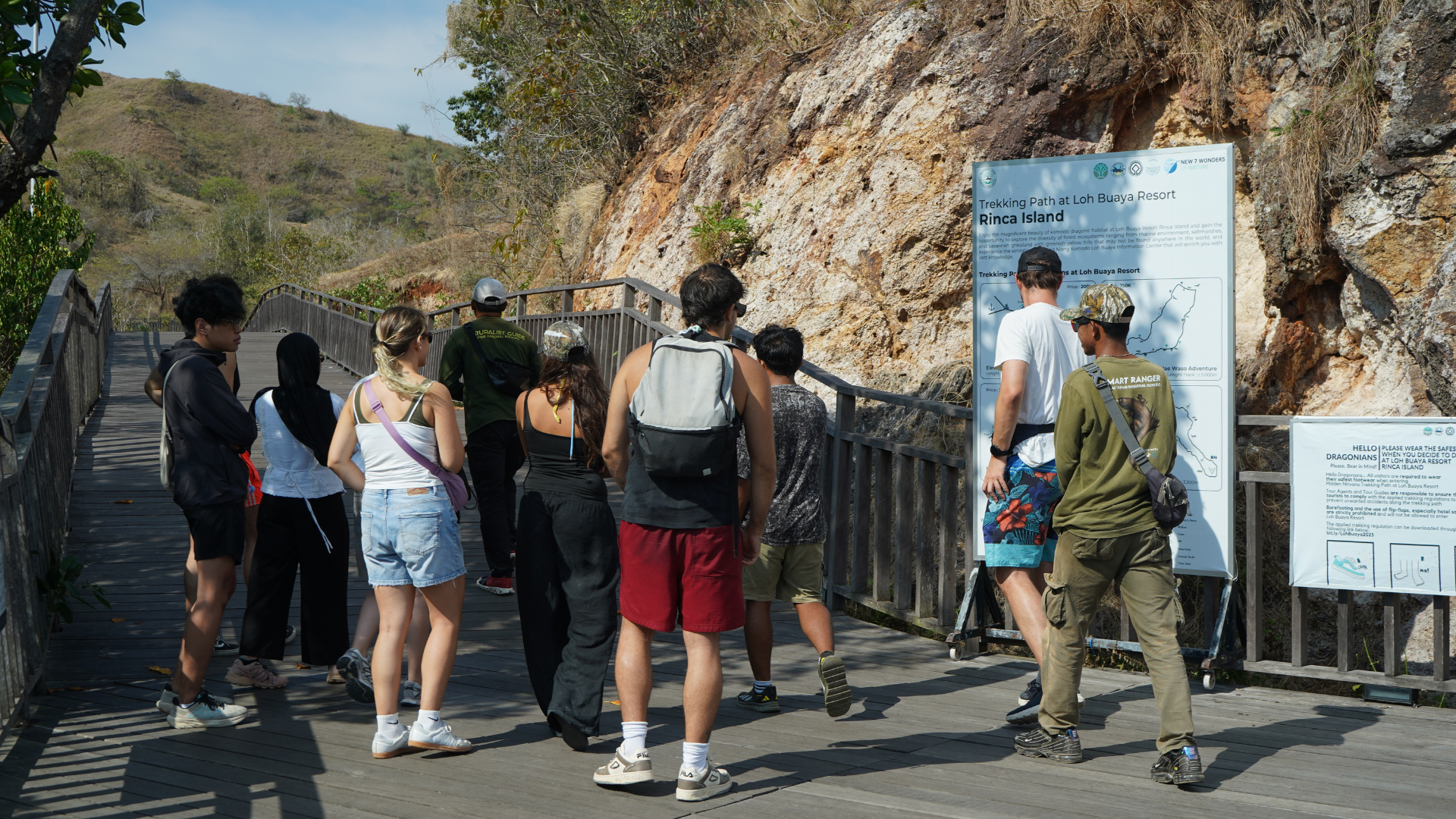
- Pulau Rinca
- Nusa Kode Island
- Gili Motang Island
These islands form the heart of Komodo National Park and host the majority of the wild Komodo dragon population.
🌍 Additional Distribution Outside the Park
Komodo dragons also occur in certain coastal areas along the western and northern parts of Flores Island, though in much lower numbers compared to the park islands.
🌿 Habitat Range and Ecology
Komodo dragons live in a variety of habitats, including:
- Savanna grasslands
- Tropical deciduous forests
- Lowland areas up to 800 meters above sea level
- Occasionally near mangrove areas
Although their habitat types vary, they are more commonly seen in open lowland areas surrounded by savanna hills.
These reptiles are terrestrial carnivores that hunt large prey such as deer and wild boar, but they also scavenge carrion. They are important apex predators in their ecosystems and play a key role in maintaining ecological balance.
📊 Population Insights
Estimates suggest that Komodo dragons in Komodo National Park number in the several thousands, with UNESCO reporting around 5,700 individuals distributed across the main islands of the park.
This population distribution highlights the importance of focused conservation efforts to preserve both the species and their habitat, especially since their natural range is highly restricted.
🏁 Kesimpulan
Itu Peta Sebaran Komodo di Taman Nasional Komodo provides vital insight into where these magnificent creatures live and how their population is spread across the protected area. The map reflects:
✔ Endemic distribution in southeastern Indonesia.
✔ Concentration on key islands within Komodo National Park—Komodo, Rinca, Nusa Kode, and Gili Motang.
✔ Smaller populations along coastal areas of Flores Island.
This localized distribution underscores the species’ vulnerability and the importance of ongoing conservation, habitat management, and research efforts to ensure that the Komodo dragon thrives for generations to come
“Jangan lewatkan kesempatan menjelajahi Pulau Padar, Pantai Pink, Manta Point, dan banyak lagi — amankan tempat Anda hari ini!” Hubungi kami


 English
  Arabic
  Chinese
  French
  German
  Italian
  Korean
  Russian
  Spanish
  Indonesian