

Cave diving is among the most thrilling and unique forms of underwater exploration. It allows divers to enter hidden submerged worlds — from narrow tunnels to vast caverns — that few people ever get to see. But cave diving is also one of the most challenging and potentially dangerous types of diving. Because you can’t rise directly to the surface in an emergency, safety and preparation are absolutely essential.
To help divers stay safe and enjoy this extraordinary experience, cave diving experts recommend a set of “golden rules” — essential practices that reduce risk and build confidence underwater.
1. Get Proper Training and Certification
Cave diving is pas the same as recreational open-water diving. It involves overhead environments — spaces where direct ascent to the surface is blocked by rock. To understand navigation, emergency procedures, gas management, and equipment use in these conditions, divers must complete specialized cave diving training and certification from a recognized agency before attempting any cave dives.
2. Follow the Rule of Thirds (Air Management)
One of the most important governing principles in cave diving is the Rule of Thirds. Here’s how it works:
- Utiliser one-third of your breathing gas to reach your distant penetration point.
- Reserve one-third to return safely to open water.
- Keep the final third in reserve for unexpected emergencies.
This strategy creates a safety margin, ensuring you have enough air even if something goes wrong.
3. Always Use and Maintain a Guideline
Cave environments can be confusing, especially if visibility drops due to silt or disturbances. A continuous guideline — usually a spool of nylon line — runs from the open water entrance into the cave. Divers lay this line and use it to navigate back safely if visibility drops to zero. Maintaining and correctly placing this line is one of the most critical survival skills in cave diving.
4. Carry Multiple Lights
Caves are naturally dark, and losing all light underwater can be life-threatening. For this reason, every cave diver carries at least three reliable lights:
- One primary light for regular use
- Two backup lights in case the main light fails
More lights are recommended for deeper or longer penetration dives. Every light should have fresh batteries and be ready for the duration of the planned dive.
5. Know and Respect Your Limits
Cave diving involves narrow spaces, varying depths, and potential disorientation. Divers should always stay within both their training limits and personal comfort levels. Pushing beyond what you’ve practiced merely because the cave looks intriguing is risky. If you feel uncomfortable or conditions look unsafe, turn back.
6. Practice Good Buoyancy and Movement Control
Inside caves, even small movements can stir up silt from the bottom, turning clear water into complete darkness. Good buoyancy control — keeping balanced and avoiding contact with the floor or walls — helps maintain visibility and protects fragile cave environments. Smooth, controlled fin movements and body positioning are essential skills to master before attempting deeper dives.
Additional Best Practices
✔ Dive with a buddy or team: Never dive alone. A partner adds security and assistance in emergencies.
✔ Plan every dive: Decide entry and exit points, depth limits, tie-off points, emergency procedures, and communication signals before entering the water.
✔ Use redundancy: In addition to lights, many cave divers carry extra tanks or regulators to ensure they never face a single point of failure.
✔ Check conditions: Understand water flow, current, visibility, and potential hazards before descending.
Conclusion: Respect the Environment, Respect the Limits
Cave diving reveals a world beneath the waves that few ever get to explore — breathtaking passageways, hidden chambers, and ancient formations. But it also demands respect, preparation, discipline, and proper training. Following the golden rules of cave diving isn’t just recommended — it’s what keeps divers safe while unlocking one of the most rewarding underwater experiences on Earth.
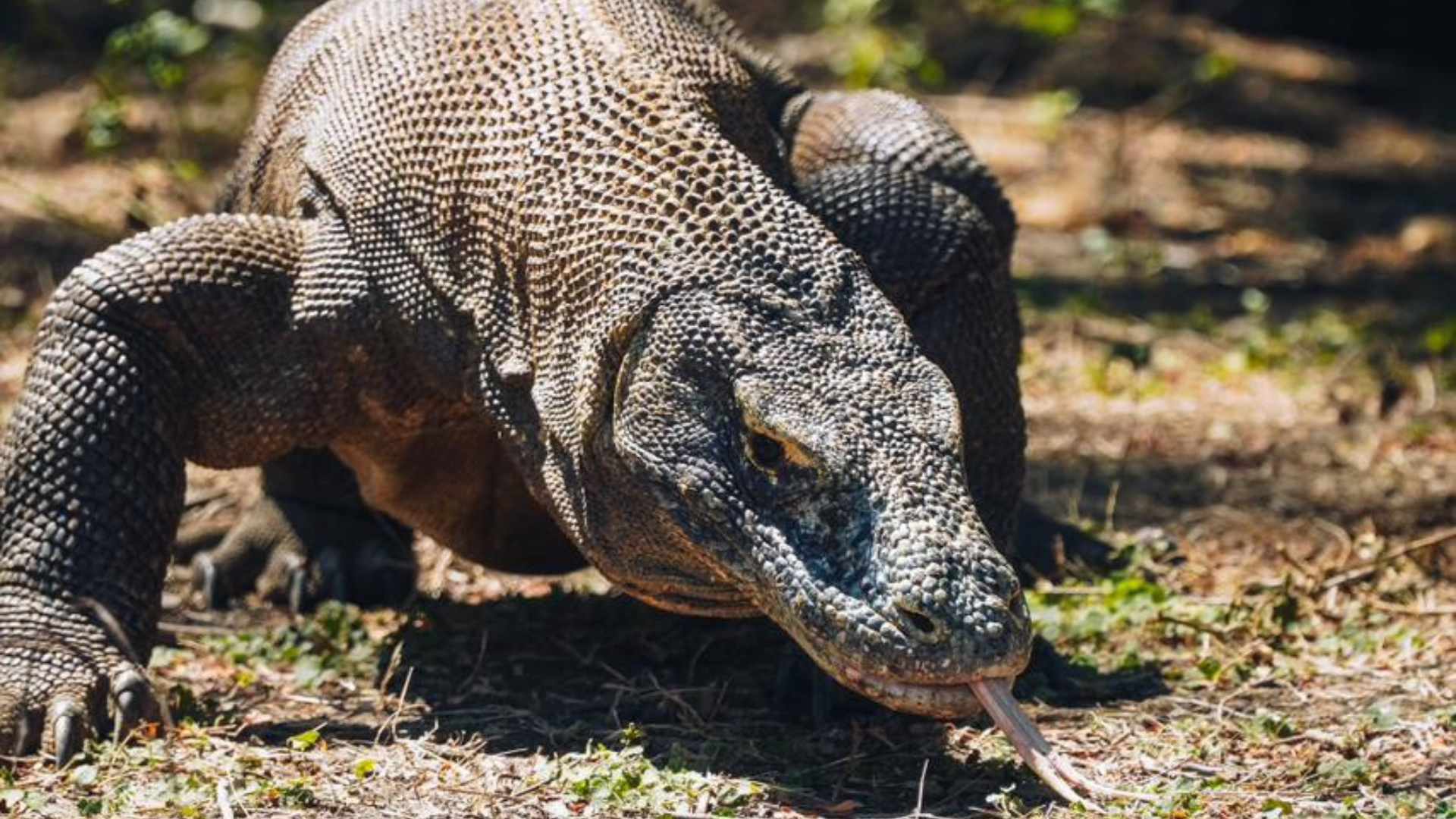
Vivez l'aventure d'une vie ! Réservez dès maintenant votre forfait pour le parc national de Komodo sur komodopadartour.com



 English
  Arabic
  Chinese
  French
  German
  Italian
  Korean
  Russian
  Spanish
  Indonesian