
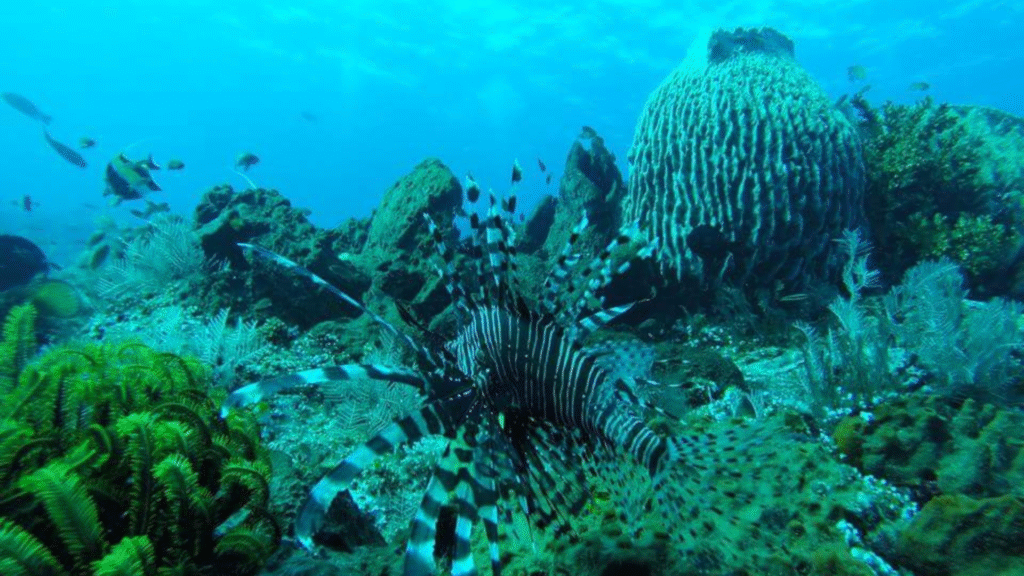
When exploring the underwater wonders of Komodo-Nationalpark, safety should always be a top priority. That’s where a First Aid (Primeros Auxilios) course comes in — a focused program designed to equip divers and ocean adventurers with the life-saving skills needed to respond to emergencies both on land and around water. Whether you’re preparing for more advanced diving courses or simply want to be ready for any situation, first-aid training is valuable in any travel or dive destination.
What Is a First Aid Course?
A First Aid course teaches practical techniques to assess and manage injuries and medical emergencies before professional help arrives. In a diving context, this includes evaluating conditions such as:
- Bleeding and wounds
- Shock and unconsciousness
- Burns and fractures
- Choking and breathing difficulties
- Cardiac emergencies requiring CPR (Cardiopulmonary Resuscitation)
- Use of emergency equipment like AED (Automated External Defibrillator)
- Stabilization techniques for injuries that may occur on a dive trip
This type of training is essential not only for divers but for anyone who wants to be prepared to handle unexpected health situations responsibly and confidently.
Why First Aid Matters for Divers
When diving in remote locations like Komodo, minutes can make a huge difference in an emergency. A diver or travel companion trained in first aid can provide critical early care, potentially saving lives or reducing the severity of injuries. Courses usually cover:
- Primary Care & CPR — Learning effective chest compressions and rescue breathing to help someone whose heart or breathing has stopped.
- Secondary Care (First Aid) — Managing non-life-threatening injuries such as cuts, sprains, or heatstroke.
- Emergency Oxygen Techniques — Especially important in dive accidents where decompression illness or breathing problems are involved (often offered as an added module in many dive centers).
- AED Use — Understanding how to apply an external defibrillator when needed in sudden cardiac events.
Training like this can be a prerequisite for more advanced diving programs, such as Rescue Diver or professional diver courses, where first-aid certification (like PADI’s Emergency First Response) is required.
Für wen ist dieser Kurs geeignet?
First Aid training is suitable for:
✔ Certified divers preparing for advanced or rescue courses
✔ Travel companions and boat crew
✔ Overlanders, adventure travelers, and outdoor enthusiasts
✔ Anyone who wants essential emergency response skills
Even if your main goal isn’t diving certification, first-aid skills are universally useful and can be applied in everyday life — at home, work, or while traveling.
What to Expect from a Typical First Aid Course
Although details vary by school, a first aid course generally includes:
📘 Classroom instruction — Key concepts and emergency protocols explained clearly
🛠️ Hands-on practice — CPR, bandaging, splinting, and patient monitoring
🧑🏫 Scenario training — Simulated emergencies where you apply what you’ve learned
📜 Certification — A recognized credential you can use for diving credentials or personal preparedness
Many dive centers around Komodo partner with recognized programs like Emergency First Response (EFR) or similar first-aid certification courses, ensuring your training is internationally accepted.
Benefits Beyond Diving
Completing a first-aid course doesn’t just make you a safer diver — it makes you a more capable traveler and community member. You’ll gain confidence in handling emergencies, reduce panic in critical moments, and potentially help save lives in a variety of environments.
Bereit für eine unvergessliche Reise? Wähle dein perfektes Reisepaket und starte dein Komodo-Abenteuer!, Kontaktieren Sie uns


 English
  Arabic
  Chinese
  French
  German
  Italian
  Korean
  Russian
  Spanish
  Indonesian