
Stakeholder Acceptance of Adaptive Ecotourism Development, A Case Study of Komodo National Park

Adaptive ecotourism has emerged as an innovative strategy to address tourism challenges — especially those intensified by the COVID-19 pandemic — by emphasizing flexibility, sustainability, and stakeholder engagement. In the context of Komodo National Park (KNP) — a globally recognized conservation and tourism destination — understanding stakeholder acceptance of adaptive ecotourism is key to crafting […]
Aggregations of Plectropomus areolatus and Epinephelus fuscoguttatus in Komodo National Park, Monitoring and Management Implications

Komodo National Park (KNP), located in Eastern Indonesia, is not only famous for the Komodo dragon but also for its rich marine biodiversity — especially reef fish species like groupers (Serranidae). Among these, two commercially valuable species — Plectropomus areolatus (squaretail coral grouper) and Epinephelus fuscoguttatus (brown-marbled grouper) — are known to form seasonal spawning […]
Dragon Tourism in Komodo National Park, Its Contribution to Conservation and Local Development

Komodo National Park, a UNESCO World Heritage Site in eastern Indonesia, is globally renowned as the only place on Earth where the Komodo dragon (Varanus komodoensis) lives in the wild. This unique species, combined with stunning landscapes and rich marine biodiversity, has made the park a high-profile international tourism destination. Tourism centered around these iconic […]
Demographic Status of Komodo Dragon Populations in Komodo National Park
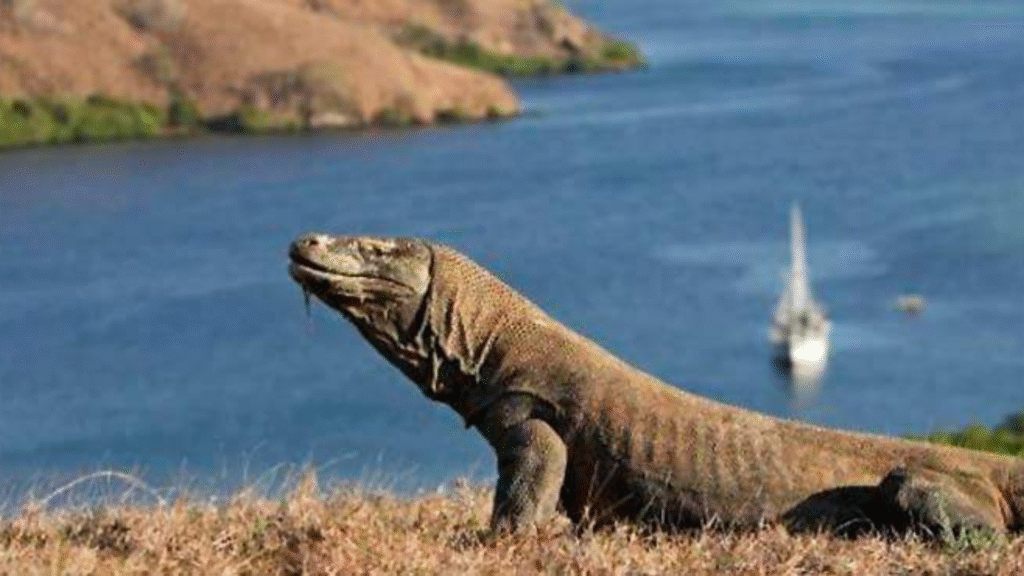
The Komodo dragon (Varanus komodoensis) is the world’s largest living lizard and one of the planet’s most iconic reptiles. Endemic to a small group of islands in eastern Indonesia, most of its remaining populations are found within Komodo National Park — a protected area established to conserve this species and its habitat. Scientific research into […]
Corticosterone Measurement in Komodo Dragon Shed Skin

Corticosterone is the main glucocorticoid hormone in reptiles, playing a key role in their stress response and physiology. Traditionally, scientists measured this hormone using blood or fecal samples, which reflect hormone levels over short periods. However, a novel method using shed skin has been tested for Komodo dragons (Varanus komodoensis), offering a way to assess […]
Combating Destructive Fishing Practices in Komodo National Park
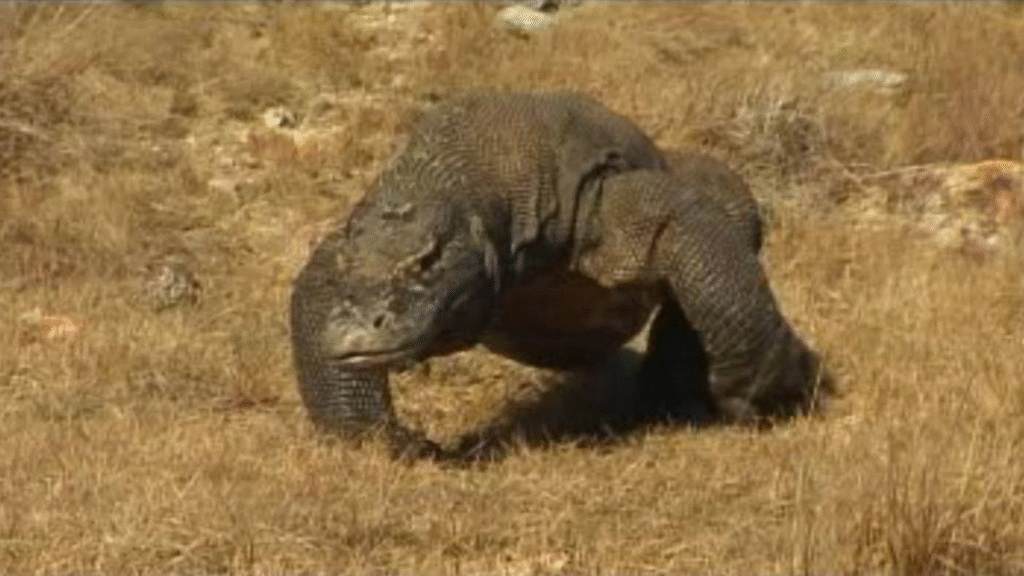
Komodo National Park (KNP) is one of Indonesia’s premier conservation areas, recognized globally for its unique terrestrial and marine biodiversity, including the iconic Komodo dragon and some of the richest coral reef ecosystems on Earth. However, despite legal protections, destructive fishing practices continue to threaten the marine environment within the park’s waters. The Threat of […]
Blood Values in Wild and Captive Komodo Dragons
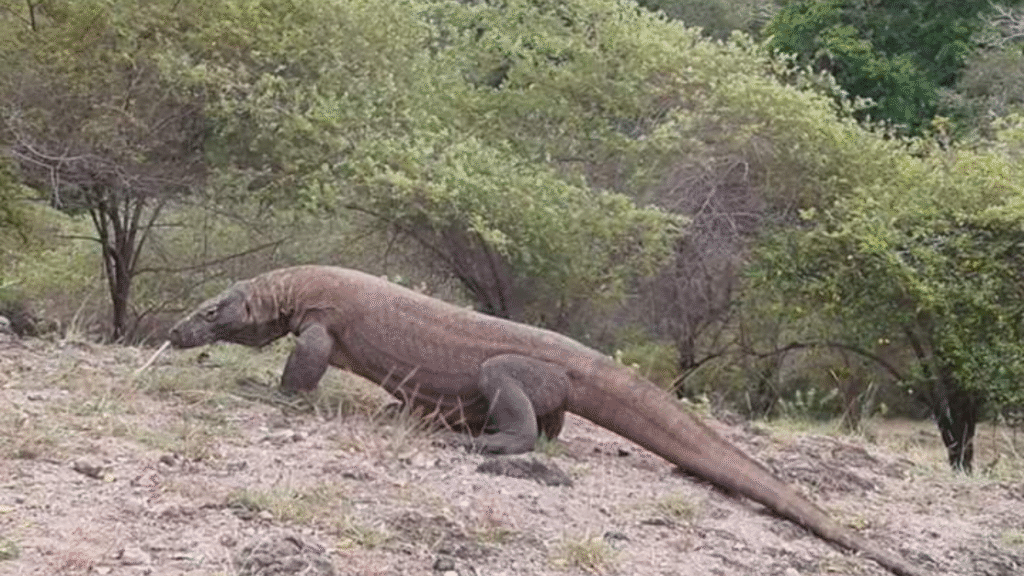
(Based on scientific research linked from the Komodo National Park site) The Komodo dragon (Varanus komodoensis) is the largest living lizard on Earth and a top predator native to Indonesia’s Komodo National Park. Scientists have studied the blood values of this iconic species to better understand its health, especially by comparing wild individuals with those […]
Coral Reef Health Analysis Using CPCe Software at Komodo National Park, Indonesia

Introduction Coral reefs are among the most valuable coastal ecosystems on Earth. They provide habitat and food for countless marine species, protect shorelines from strong waves and erosion, and support fisheries and tourism. Monitoring their condition is essential to inform conservation and management efforts. A scientific study conducted at Komodo National Park in East Nusa […]
Water and Conflict, A Study of Freshwater Resource Availability in Komodo National Park

Introduction Access to freshwater is critical for human survival and livelihoods everywhere — including in protected areas like Komodo National Park in Eastern Indonesia. This study, conducted by Risdawati Ahmad, Kikiy Mega Nurmawati, and Abdul Kodir, examines how local communities living in Komodo National Park access and manage freshwater resources. It also assesses whether scarcity […]
A New Genus of Murid Rodent from the Komodo Islands in Nusa Tenggara, Indonesia

In a scientific study published in the Journal of Mammalogy in 1980, researchers Guy G. Musser and Boeadi described a previously unrecognized genus of murid rodent from the Komodo Islands region of Nusa Tenggara, Indonesia. This discovery highlights the remarkable and unique biodiversity of the Lesser Sunda Islands, a series of islands lying east of […]
 English
  Arabic
  Chinese
  French
  German
  Italian
  Korean
  Russian
  Spanish
  Indonesian