

منتزه كومودو الوطني in eastern Indonesia is one of the most iconic protected areas in the world. Famous for its تنين كومودو (Varanus komodoensis) — the planet’s largest lizard — and its rich marine biodiversity, the park has also been the site of important experiments in conservation governance. From 2005 to 2010, managers attempted a collaborative co-management model intended to balance tourism, fishing, and conservation goals. Despite initial optimism, however, this co-management initiative ultimately collapsed.
The Idea Behind Co-Management
In the early 2000s, Indonesia introduced new legal frameworks encouraging collaborative management of protected areas, bringing together government bodies, local communities, non-governmental organizations (NGOs), and private sector partners in shared governance. At منتزه كومودو الوطني, this led to the establishment of the Komodo Collaborative Management Initiative (KCMI) in 2005, with aims to:
- Regulate tourism sustainably, ensuring the park could generate its own revenue while protecting natural resources.
- Manage and protect marine and terrestrial ecosystems, including coral reefs and fish stocks.
- Increase local community participation and benefits from conservation and tourism.
- Strengthen governance by involving a broad range of stakeholders.
The model was built around a Collaborative Management Board and a private company — Putri Naga Komodo — intended to oversee tourism operations and revenue, including a conservation fee charged to park visitors. Funding from international donors supported early efforts.
Early Successes and Challenges
During the initial years, some positive outcomes were visible:
- Tourism increased significantly, bringing more income to the region and creating new jobs.
- Local communities reported higher participation in tourism-related businesses, such as guiding, crafts, and services.
- Efforts to reduce damaging fishing practices and protect coral reefs showed ecological promise.
However, beneath these gains lay serious structural problems:
- Confusion and lack of shared vision among stakeholders meant many residents and operators did not understand the goals or mechanisms of the co-management system.
- Trust issues emerged between the main partners — including government agencies, NGOs, and private investors — weakening cooperation.
- Local fishers felt excluded from decision-making, particularly regarding zoning and fishing regulations that restricted traditional livelihoods.
- The anticipated financial sustainability from park fees and tourism did not materialize as planned, and donor support dwindled.
Collapse of the Co-Management Initiative
By around 2010, the co-management model began to fail. The Conservation Fund designed to maintain the park’s operations was frozen, and conflicting fee systems emerged, frustrating tourists and operators alike. Relations between partner organizations deteriorated, undermining trust and cooperation. Eventually, the Collaborative Management Board — central to the initiative’s governance — ceased to function effectively.
Several deeper structural and contextual issues contributed to the collapse:
- Political and institutional weaknesses in Indonesia’s public sector made cross-institutional cooperation difficult. Government agencies were often reluctant to cede authority or adapt to shared decision-making.
- Persistent self-interest and weak conservation awareness among some officials and stakeholders undermined broader environmental goals.
- The complexity of managing social-ecological systems like Komodo — where economic, cultural, ecological, and political factors intersect — proved greater than anticipated.
Lessons and Broader Implications
The story of Komodo’s co-management experiment provides important lessons for conservation governance worldwide:
- Collaborative models require clear shared goals, trust, and transparency among partners.
- Financial mechanisms based on tourism must be carefully designed to be sustainable and equitable.
- Local community engagement must be more than symbolic — it must be meaningful and supported by ongoing communication and participation.
- Strong, adaptive governance frameworks are essential when dealing with complex social-ecological systems where conservation and development objectives intersect.
Ultimately, the Komodo National Park case illustrates that innovative governance approaches can offer promise, but they must be grounded in robust institutional and cultural readiness to succeed — a challenge that remains at the forefront of conservation efforts in Indonesia and beyond.
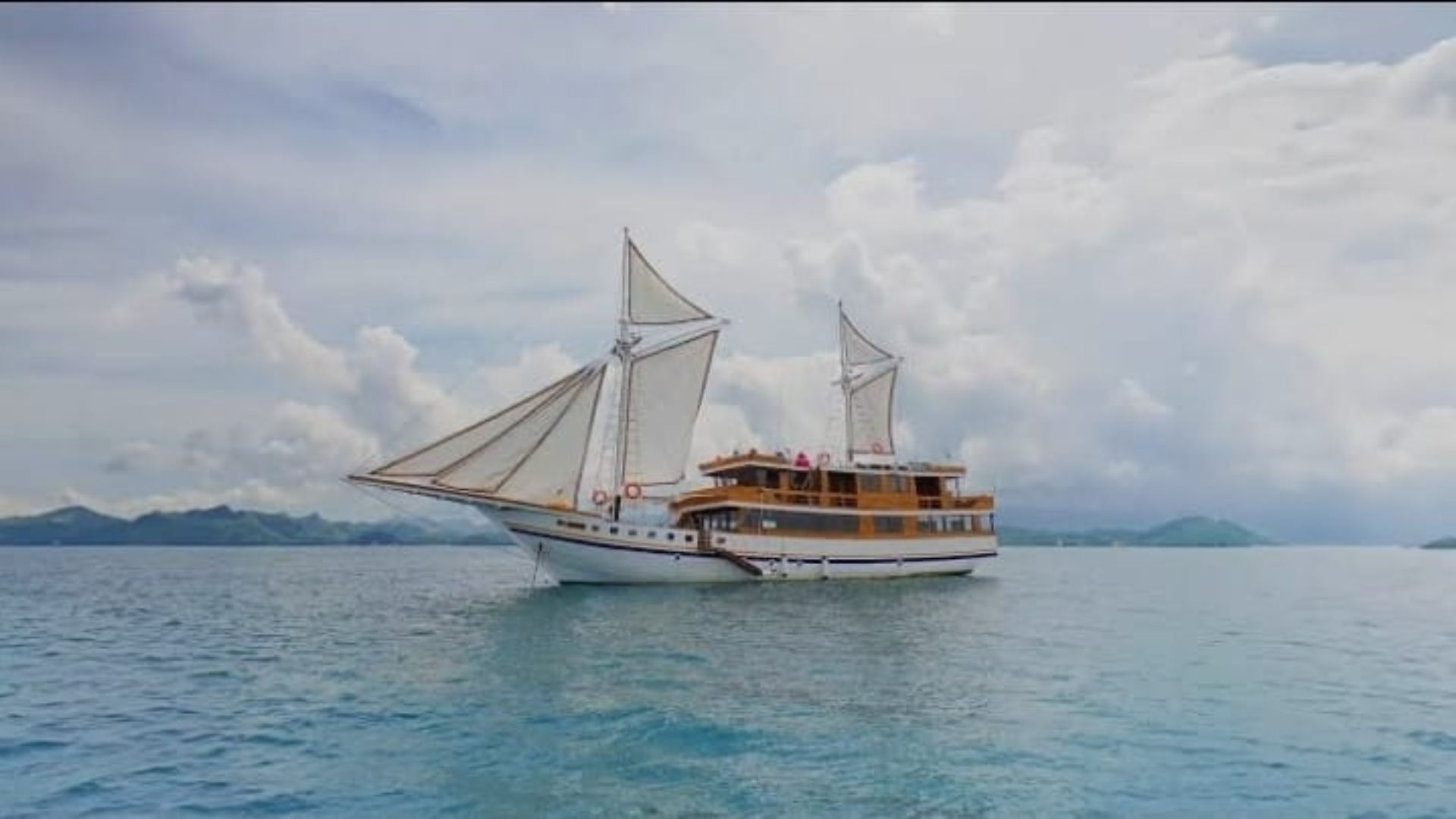
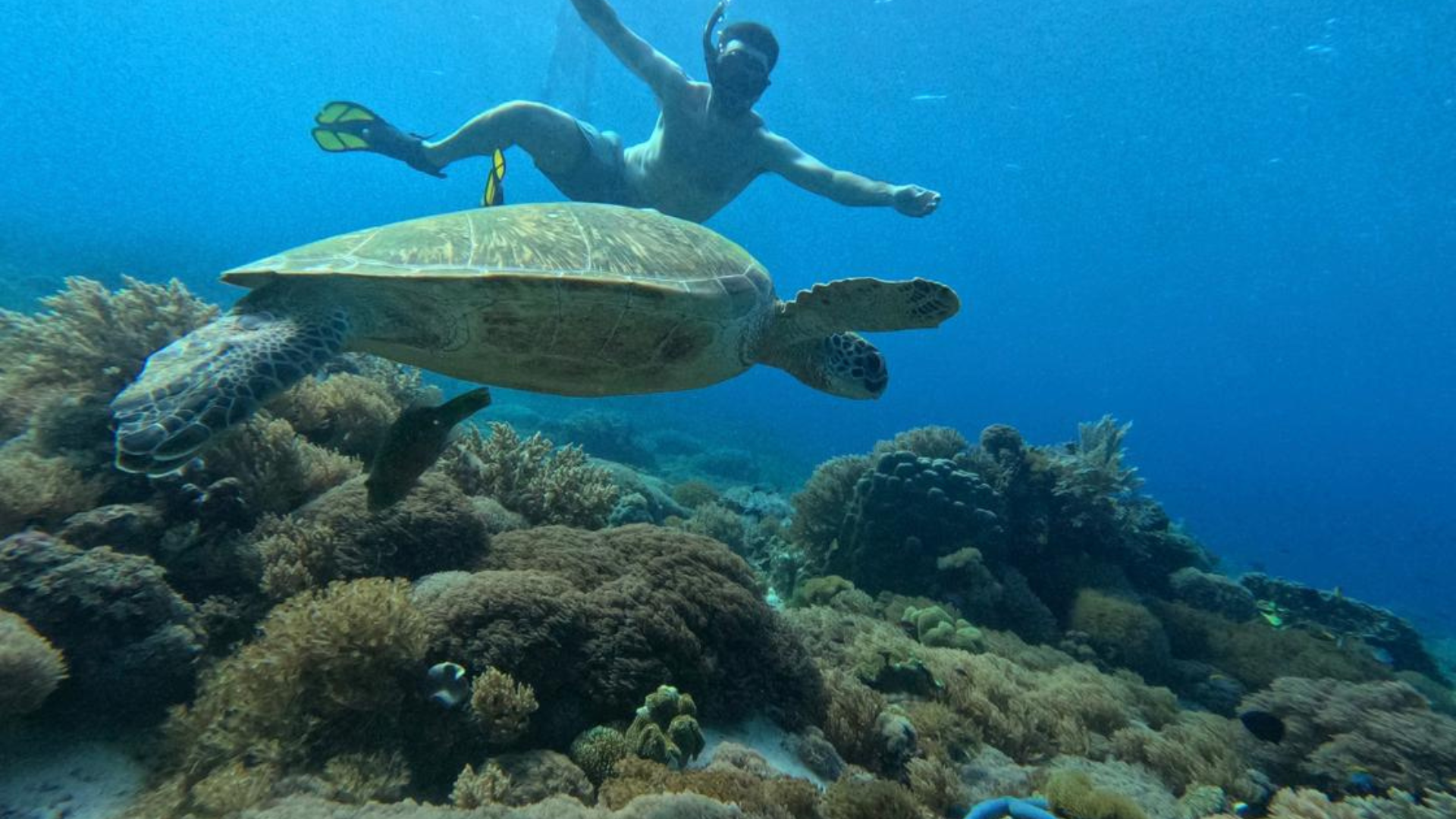
انضم إلينا في رحلة استكشافية مثيرة لجزر كومودو الشهيرة - من نقاط مشاهدة بادار إلى مواقع الغطس ذات المياه الصافية الكريستالية, اتصل بنا


 English
  Arabic
  Chinese
  French
  German
  Italian
  Korean
  Russian
  Spanish
  Indonesian