

Komodo National Park, located in eastern Indonesia between Sumbawa and Flores, experiences a tropical climate that shapes the natural landscape and travel conditions throughout the year. This climate influences everything from hiking and wildlife viewing to snorkeling and diving, so understanding it helps you plan the best time for your adventure.
Two Main Seasons: Dry and Rainy
Like much of Indonesia, Komodo has two distinctive seasons:
- Dry Season: Approximately June to September
- Rainy Season: Usually December to March
During the dry season, the islands are sun-soaked with minimal rainfall, making it ideal for outdoor activities such as trekking, sailing, and underwater exploration. In contrast, the rainy season brings more cloud cover, occasional rainfall, and higher humidity, which can limit some activities and make sea conditions less predictable.
It’s important to note that climate patterns are shifting due to broader environmental changes, so the start and end of seasons may vary slightly from year to year.
Temperature and Humidity
Komodo’s climate tends to be warm year-round with high humidity, especially during the rainy months. Average daytime temperatures can climb quite high:
- In the hottest months, temperatures may reach 35–37°C (95–99°F).
- At night or during cooler periods, minimum temperatures can fall to around 21°C (70°F).
Even during the dry season, the climate remains tropical and warm, making light, breathable clothing essential when exploring the park.
Sea Temperatures and Water Conditions
The waters around Komodo remain warm enough for swimming and water sports year-round, though they vary slightly with the seasons:
- Around 27°C (81°F) between July and September
- Approximately 29°C (84°F) from November to May
Keep in mind that the open seas can become rougher between January and mid-April, influenced by broader tropical weather systems in the Timor Sea and surrounding waters. This may affect boat travel and some marine activities, so safety considerations are important during these months.
Best Time to Visit
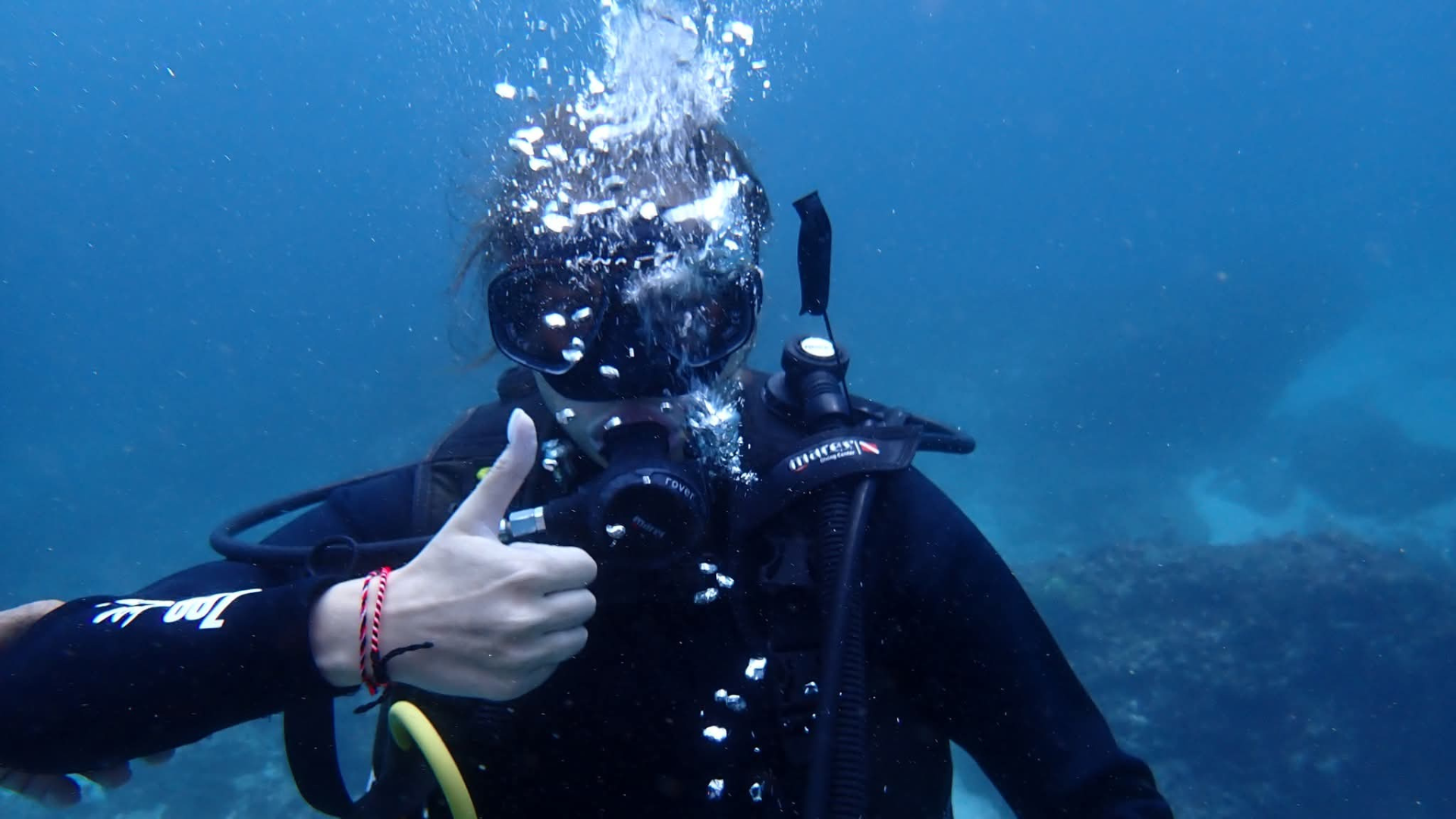
Dry season (April–December) — especially June through September — is widely considered the best period for most visitors. During these months, seas are calmer, skies are clearer, and conditions are perfect for hiking, snorkeling, and diving.
Rainy season (January–March/November–March) brings lush green scenery, fewer tourists, and occasionally dramatic cloudscapes. While still possible to visit, conditions may be less predictable; boat tours can be disrupted and visibility underwater may be reduced.
For wildlife watchers, the dry season also aligns with the most active behavior among Komodo dragons and other terrestrial species, improving chances of sightings on land expeditions.
Climate Tips for Travelers
✔ Pack for heat and sun: Light clothing, sunblock, a hat, and sunglasses are essentials at any time of year.
✔ Prepare for rain: If traveling in the wet months, bring waterproof gear and plan for occasional changes in sea conditions.
✔ Book early for peak season: The best weather months also coincide with higher demand for tours and boat trips.
Final Thoughts
Komodo’s climate is a defining part of the experience — the dry season’s bright sunshine highlights its dramatic savanna landscapes and coral-rich seas, while the rainier months bring lush greenery and quieter travel conditions. Selecting the right time to visit based on your interests — whether it’s hiking, wildlife viewing, or underwater exploration — will make your trip to this remarkable tropical destination even more rewarding.
Experience the adventure of a lifetime — book your Komodo National Park tour package now at komodopadartour.com


 English
  Arabic
  Chinese
  French
  German
  Italian
  Korean
  Russian
  Spanish
  Indonesian