
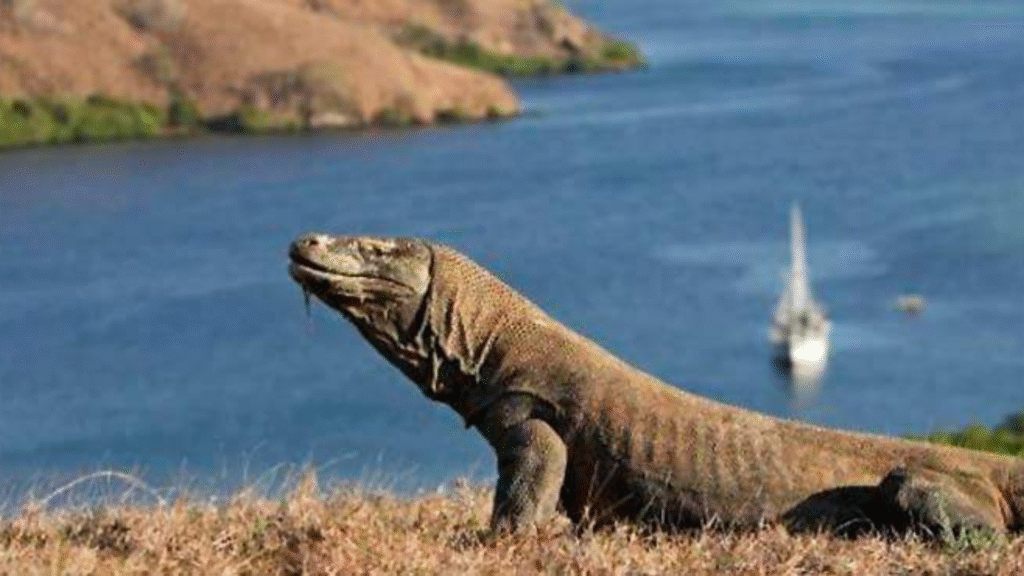
The Komodo dragon (Varanus komodoensis) is the world’s largest living lizard and one of the planet’s most iconic reptiles. Endemic to a small group of islands in eastern Indonesia, most of its remaining populations are found within Komodo National Park — a protected area established to conserve this species and its habitat. Scientific research into the demographics of Komodo dragon populations provides vital insights into their abundance, survival, and conservation needs.
Why Demographic Studies Matter
Understanding a species’ demographic status means looking at factors such as population size, population growth, survival rates, and how these vary among different island populations. For species like the Komodo dragon, which are island endemics with limited ranges, such data help conservationists and park managers make informed decisions about protection strategies, habitat management, and long-term survival prospects.
Research Approach
Between 2003 and 2012, scientists carried out extensive field surveys using capture–mark–recapture methods across several islands within Komodo National Park, including Komodo, Rinca, Nusa Kode, and Gili Motang. During this period, nearly 925 individual dragons were monitored to estimate demographic parameters such as abundance, survival, and population growth rates.
Key Findings: Population Size and Growth
- Total population estimate: The combined estimated abundance of Komodo dragons across the four studied islands within the park was approximately 2,448 individuals (with a 95% confidence interval ranging from about 2,067 to 2,922).
- Stable major populations: Large island populations on Komodo and Rinca showed near-stable population growth (a growth rate close to 1), indicating that these subpopulations have maintained relatively balanced birth and survival rates.
- Challenges for smaller islands: Smaller island populations — such as on Gili Motang — displayed lower growth rates and signs of decline, likely due to smaller habitat area, reduced prey availability, and demographic limitations.
Survival Differences Among Populations
Survival rates varied among islands, with higher apparent survival typically recorded on the larger islands (Komodo and Rinca) compared to the smaller ones. These differences can be influenced by habitat quality, prey density, genetic factors, and isolation effects inherent to island populations.
Implications for Conservation
The research highlights the importance of a population-specific approach to conservation in Komodo National Park:
- Targeted management: Stable populations on larger islands should continue to be monitored and protected, especially against threats like habitat change or human disturbance.
- Focused support for small populations: Small island populations, which are more vulnerable to demographic pressures and stochastic events, require tailored strategies — such as habitat enhancement, prey management, and possibly translocation or genetic support programs — to ensure persistence.
- Long-term monitoring: Ongoing demographic tracking is crucial to detect early changes in population dynamics and to adjust conservation strategies as needed.
Broader Context
While national park data provide a critical snapshot of the Komodo dragon’s status within protected areas, global assessments suggest that the overall species remains vulnerable due to its restricted range and sensitivity to habitat loss, climate change, and human impacts. Continued research and integrated conservation planning are essential to safeguard this unique reptile for future generations
Discover the hidden beauty of Komodo National Park — book your tour package with us and make memories forever, Contact Us



 English
  Arabic
  Chinese
  French
  German
  Italian
  Korean
  Russian
  Spanish
  Indonesian