

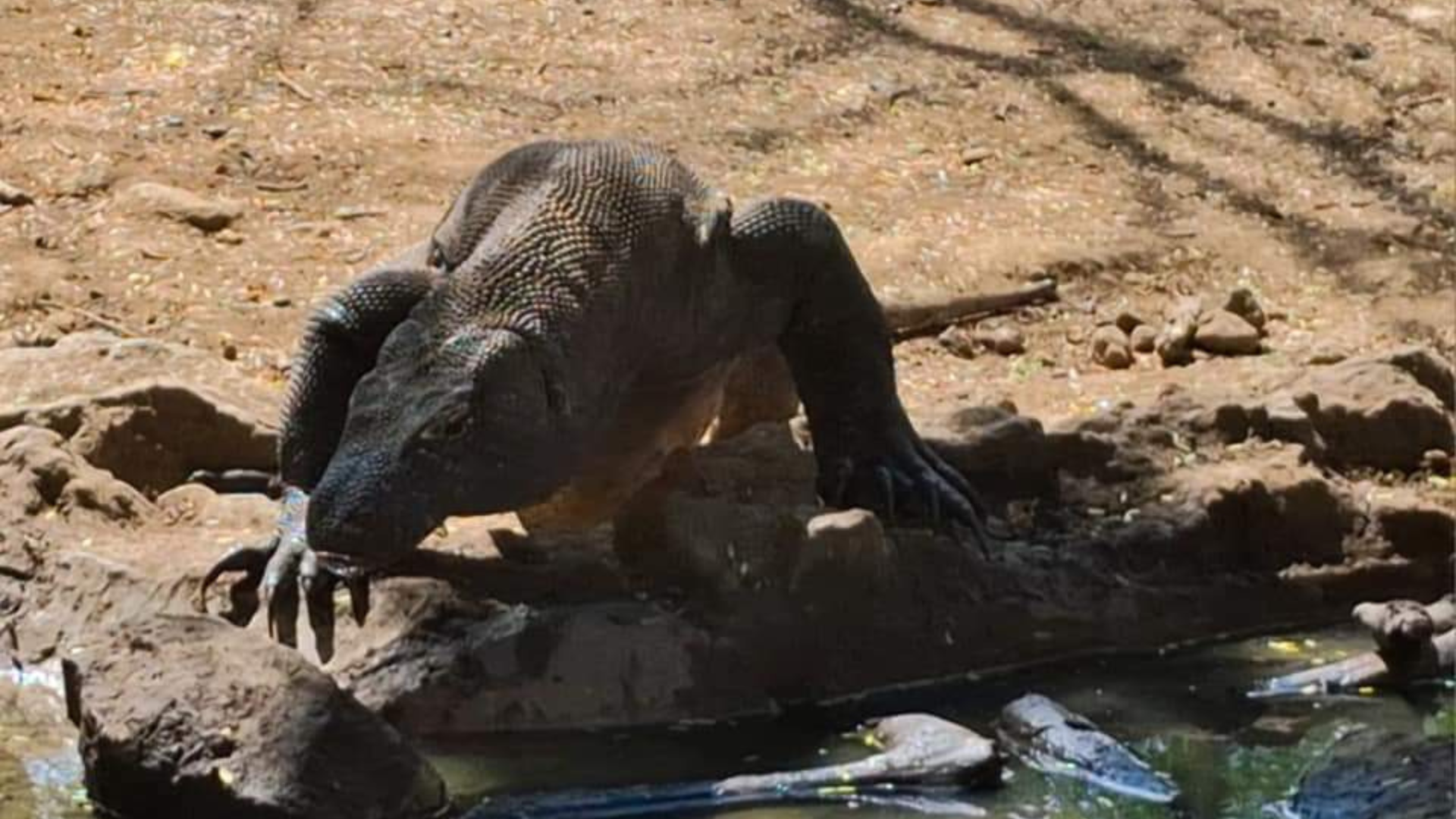
Corticosterone is the main glucocorticoid hormone in reptiles, playing a key role in their stress response and physiology. Traditionally, scientists measured this hormone using blood or fecal samples, which reflect hormone levels over short periods. However, a novel method using shed skin has been tested for Komodo dragons (Varanus komodoensis), offering a way to assess hormone levels over longer periods non-invasively.
Why Shed Skin?
Reptiles, like Komodo dragons, regularly shed their skin as they grow. During skin formation, circulating hormones such as corticosterone become incorporated into the developing keratinized layers. This means shed skin can act as a retrospective record of hormone levels during the period of skin growth, capturing physiological information that blood or feces might miss.
The Research Study
In a study published in The Herpetological Journal, researchers aimed to determine whether corticosterone could be reliably extracted and measured from Komodo dragon shed skin using an enzyme immunoassay (EIA) technique. They also examined possible sources of natural variation in hormone levels.
Key Findings
- Successful Measurement: The study confirmed that corticosterone can indeed be detected and quantified from Komodo dragon shed skin using EIA, supporting the method’s feasibility as a non-invasive sampling tool.
- Biological Variation: Results showed that corticosterone concentrations varied with several biological factors:
- Sex: Male dragons had higher corticosterone levels than females.
- Age: Juveniles tended to exhibit higher hormone concentrations than adults.
- Season: Levels were influenced by the season of skin shedding (ecdysis), decreasing significantly from spring to summer in males.
- Body Region: Differences in skin regions (head, body, tail) did not significantly affect corticosterone levels, indicating the method can be applied to shed skin from any part of the body.
Implications for Conservation and Management
This innovative approach offers several important benefits:
- Non-Invasive Monitoring: Unlike blood sampling, collecting shed skin causes no stress or disturbance to the animal, making it ideal for wildlife studies and long-term monitoring.
- Long-Term Physiological Insight: Shed skin captures hormone levels over weeks or months as it grows, providing a more integrated picture of an animal’s stress physiology than short-term matrices.
- Application in Captivity and Conservation: For Komodo dragons in zoos or protected areas, monitoring corticosterone in shed skin can help zoo managers and conservation biologists track stress, health, reproductive condition, and welfare over time without invasive procedures.
Looking Ahead
The validation of corticosterone measurement in Komodo dragon shed skin adds an important tool to wildlife physiology and conservation biology. By combining this method with other health and behavioral indicators, researchers can gain deeper insights into how environmental conditions, captivity, and human impacts influence the well-being of these remarkable lizards.
Ready for an unforgettable journey? Choose your perfect tour package and start your Komodo adventure, Contact us



 English
  Arabic
  Chinese
  French
  German
  Italian
  Korean
  Russian
  Spanish
  Indonesian