
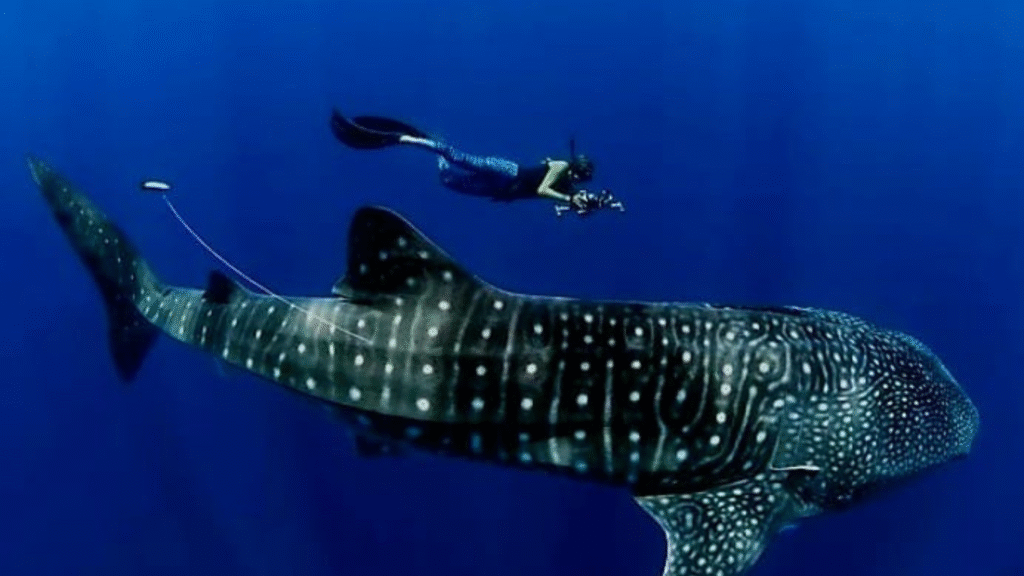
Swimming with whale sharks can be one of the most unforgettable wildlife experiences in your life. These gentle giants — the largest fish in the ocean — are calm, slow‑moving, and harmless to humans despite their enormous size. However, to ensure both your safety and the well‑being of the whale sharks, it’s important to follow specific guidelines whenever you encounter them in their natural habitat.
Here’s what you should know before taking the plunge.
1. Use Proper Snorkeling Gear
Before entering the water, make sure you have complete and well‑fitting snorkeling equipment — including a mask, snorkel, and fins. If you’re not confident swimming in open water, consider wearing a life vest for added security. Proper gear helps you stay comfortable and conserve energy while observing the whale sharks.
2. Enter and Move Calmly in the Water
When you enter the ocean, avoid jumping or splashing around. Slide gently into the water and move slowly and calmly. Sudden movements can startle the whale sharks and disrupt your experience. Once you’re in the water, let the whale sharks approach you naturally — there’s no need to chase them.
3. Keep a Safe Distance
Even though whale sharks are gentle, their size and strength can still pose risks if you get too close. Always keep a respectful distance: around 3–4 meters (10–13 feet) from their head and body, and a bit more from the tail. This minimizes the chance of accidental contact with powerful tail movements and gives the animals room to swim freely.
4. Don’t Touch, Chase, or Ride Them
As tempting as it might be to touch or swim directly beside a whale shark, you should never touch, chase, or try to ride one. Their skin is covered in a delicate protective layer that can be damaged by direct contact. Respecting their space keeps the sharks stress‑free and preserves their natural behavior.
5. Never Feed the Whale Sharks
Feeding wildlife might seem like a way to get closer, but it can actually hinder a whale shark’s natural feeding patterns. Instead, allow them to feed on plankton and other small organisms naturally. Disrupting their food patterns can negatively affect their health and migration behavior.
6. Turn Off Camera Flash
If you’re taking underwater photos, avoid using flash. Bright lights can startle whale sharks and interrupt their movement. Natural light usually provides beautiful, soft illumination suitable for capturing memorable moments.
7. Follow Your Guide’s Instructions
Most organized whale shark encounters include a safety briefing from a trained guide. Pay close attention — they understand both whale shark behavior and local ocean conditions. Listening to your guide helps keep both you and the animals safe throughout the experience.
8. Respect Time Limits and Rules
Many whale shark tours limit the number of participants and the time each group spends in the water (often around 15 minutes per group). Respect these rules — they’re designed to prevent overcrowding and reduce stress on the animals.
9. Keep the Ocean Clean
Always take your trash back to shore. Even small pieces of plastic or litter can be harmful if swallowed by marine animals like whale sharks. Keeping the ocean clean protects not only these giants but the entire marine ecosystem.
10. Use Reef‑Safe Sunscreen
Many conventional sunscreens contain chemicals that can harm coral reefs and marine life. Choose eco‑friendly, reef‑safe sunscreen to protect your skin while minimizing impact on the underwater environment.
Enjoy the Experience Responsibly
Whale sharks are gentle, peaceful creatures that offer an incredible encounter for snorkelers. By following these safety and conservation tips, you’ll not only keep yourself protected but also help ensure that these majestic animals continue to thrive in their natural ocean home for generations to come.
Experience the adventure of a lifetime — book your Komodo National Park tour package now at komodopadartour.com



 English
  Arabic
  Chinese
  French
  German
  Italian
  Korean
  Russian
  Spanish
  Indonesian