
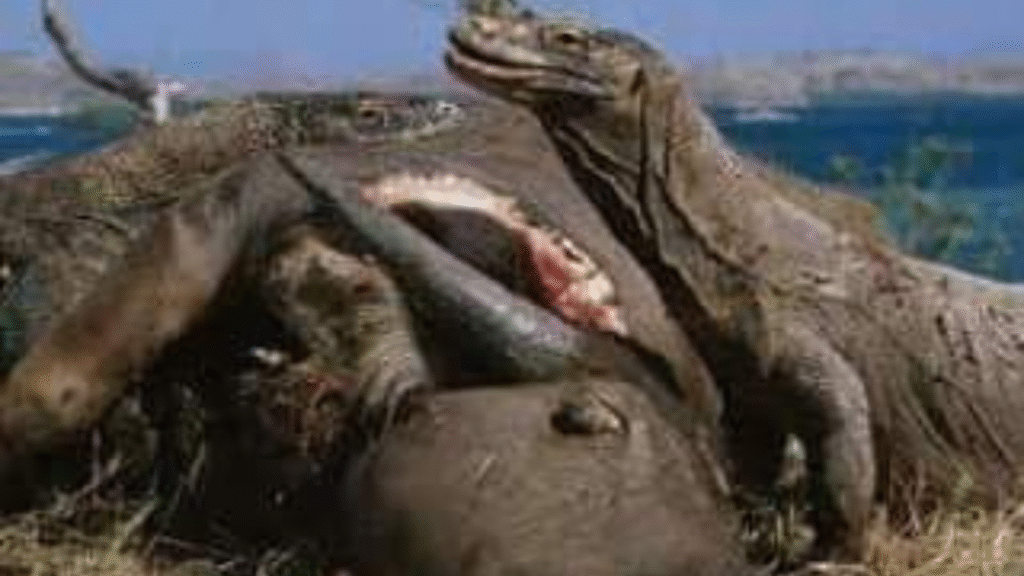
Komodo National Park, located in West Manggarai Regency, East Nusa Tenggara, Indonesia, is a globally recognized natural treasure — famous for the Komodo dragon (Varanus komodoensis) and its extraordinary ecosystem. Beyond ecological significance, the park also holds substantial economic value, particularly through tourism and its wider contribution to regional development.
Why Economic Valuation Matters
Economic valuation is a method used to estimate the total economic benefits provided by a natural resource — including both direct and indirect use values. For Komodo National Park, this includes:
- Tourism demand and spending
- Visitor willingness to pay
- Consumer surplus from recreational use
- Long-term value for conservation and regional planning
Understanding this value helps policymakers, communities, and stakeholders make better decisions about sustainable management, tourism planning, and resource conservation.
Key Findings from Research
A study published in the International Journal of Multicultural and Multireligious Understanding used a combination of qualitative and quantitative approaches — including travel cost analysis and consumer surplus estimation — to measure Komodo National Park’s economic value.
Here are the main results:
🔹 Total Economic Value Estimate
The park’s total economic value — representing the potential benefit that can be achieved through sustainable management of tourism and attractions — was estimated at approximately IDR 60.36 trillion (around several billion USD at current exchange rates).
This figure reflects the aggregated value of recreation, ecosystem services, and visitor satisfaction — capturing both what tourists currently pay and the additional value they derive from their visits.
🔹 Factors Influencing Tourism Demand
The study identified several socio-economic variables that affect the number of visitors to the park:
- Travel cost and age of tourists were negatively related to visitation — meaning higher travel expenses or older age groups were associated with fewer visits.
- Professional background and income level showed a positive influence, indicating that higher income and certain professions are linked to more frequent or longer visits.
These results help stakeholders understand how different factors shape tourist behavior and can inform strategic pricing, outreach, and marketing plans.
Economic Value vs. Actual Revenue
Comparisons between academic estimates and real park revenues show a gap. For instance, official tourism revenue from tickets and services — though significant — remains much lower than the park’s total theoretical economic value, suggesting room for more optimized and sustainable economic planning.
This gap highlights that the park’s non-market values, such as environmental quality and cultural significance, contribute greatly to its overall worth but are not directly captured by ticket sales or service fees.
Broader Implications
The high economic valuation underscores:
- The importance of conservation not just for biodiversity but also for socio-economic benefits.
- The role of tourism as a major driver of regional economic growth, especially for local service sectors and communities.
- The need for sustainable tourism management, including visitor limits and environmental protection, to preserve value over time.
Conclusion
Komodo National Park’s economic value goes far beyond direct revenues from tourism. It encapsulates the sustainable benefits that the park provides — from visitor enjoyment and ecosystem services to long-term regional development potential. These valuation findings help inform more balanced policies that support both nature protection and community welfare.
Discover the hidden beauty of Komodo National Park — book your tour package with us and make memories forever, Contact Us




 English
  Arabic
  Chinese
  French
  German
  Italian
  Korean
  Russian
  Spanish
  Indonesian