

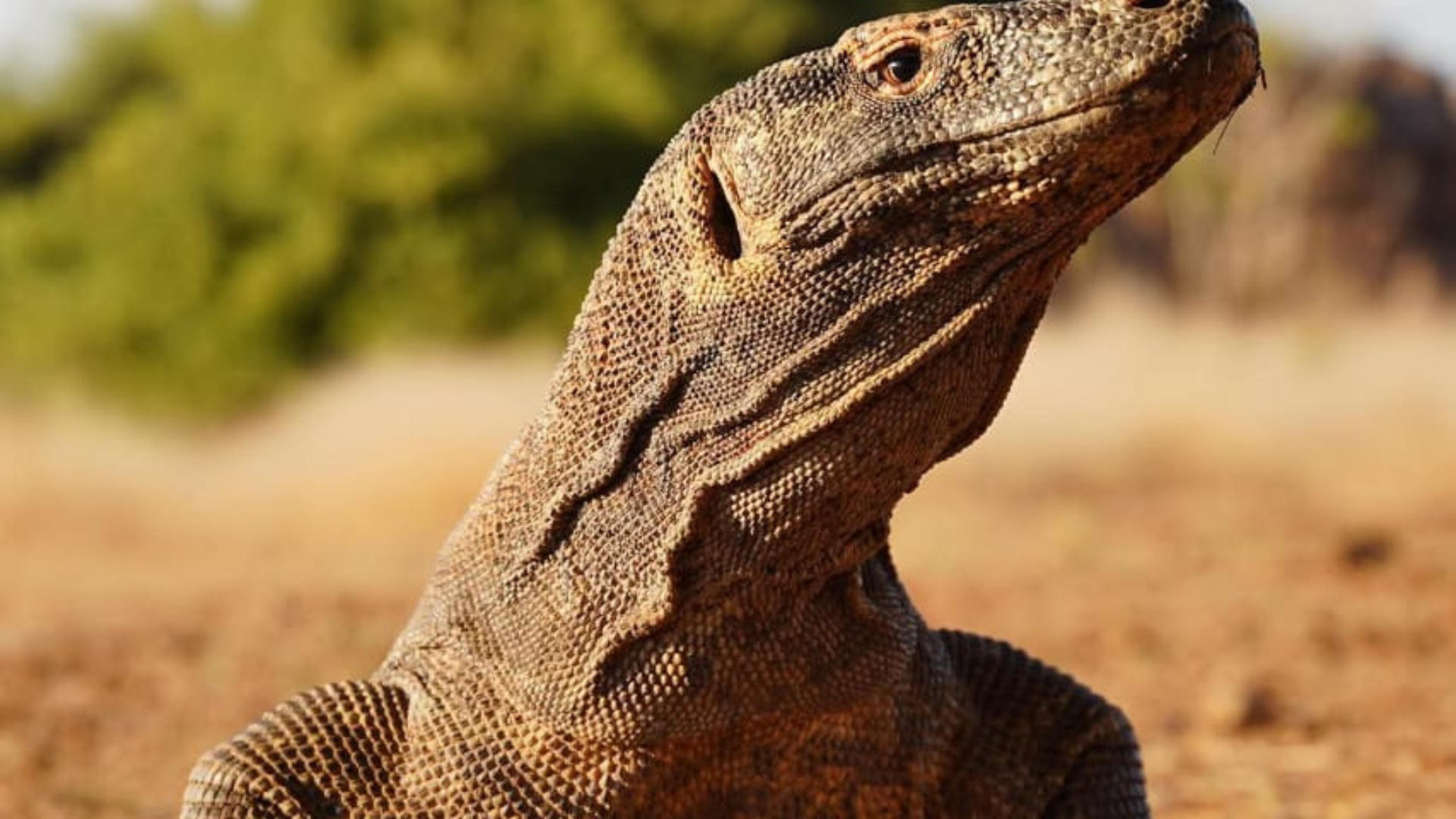
Komodo National Park is not only famous for its legendary giant lizard, the Komodo dragon, but also for its rich and unique plant diversity. The flora of the park is spread across various ecosystems, ranging from coastal mangrove forests to inland savannas and monsoon forests. These plant communities play a vital role in supporting wildlife and maintaining ecological balance.
Main Vegetation and Plant Life
The vegetation of Komodo National Park can be broadly categorized into coastal (mangrove) flora and terrestrial flora. Each type of vegetation has adapted to the park’s dry climate and seasonal rainfall patterns.
Mangrove Vegetation
Mangrove forests dominate several coastal areas of Komodo National Park. These plants grow in shallow waters along the shoreline and are highly adapted to saline conditions. Common mangrove species found in the park include:
- White mangrove (Avicennia alba)
- Grey mangrove (Avicennia officinalis)
- Putut (Bruguiera gymnorrhiza)
- Nyirih batu (Xylocarpus moluccensis)
- Tengar (Ceriops tagal / Ceriops decandra)
- Teruntum (Lumnitzera racemosa)
- Santigi (Pemphis acidula)
- Red mangrove (Rhizophora apiculata)
- Black mangrove (Rhizophora mucronata)
- Pedada (Sonneratia alba)
Mangrove ecosystems play an essential role in protecting coastlines from erosion, filtering pollutants, and serving as breeding and nursery grounds for fish, crustaceans, and other marine organisms.
Terrestrial Flora
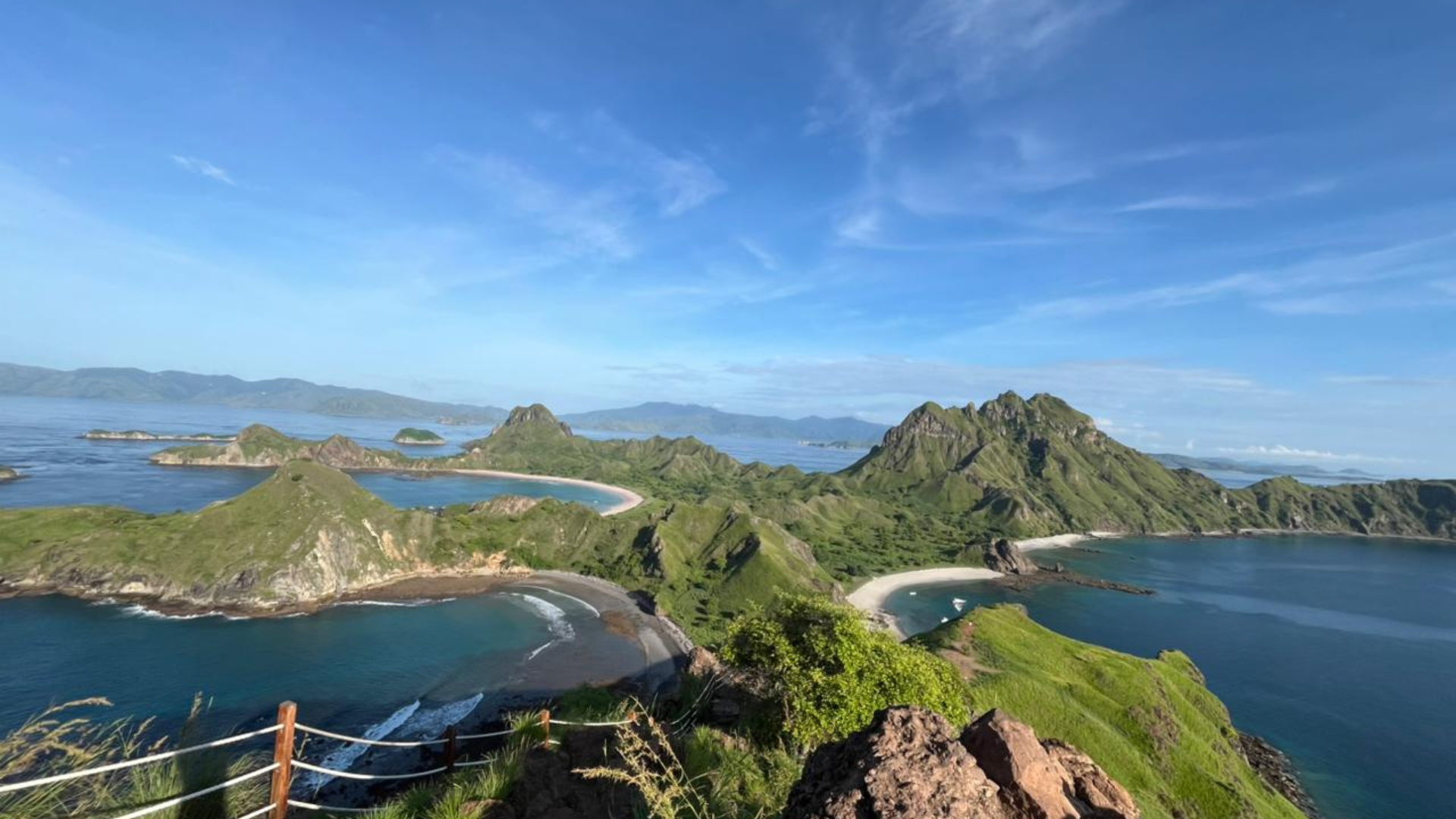
Inland areas of Komodo National Park are dominated by savannas, monsoon forests, and dry woodlands. These habitats support a wide variety of plant species that provide food and shelter for wildlife such as deer, wild boar, birds, and other animals.
Notable terrestrial plants include:
- Forest orchids (Vanda limbata, Dendrobium faciferum)
- Pigeon orchid (Dendrobium crumenatum)
- Malayan wax plant (Dischidia major)
- Tamarind (Tamarindus indica)
- Sugar apple (Annona squamosa)
- Sea almond (Terminalia catappa)
- Jujube (Ziziphus mauritiana)
- Kepuh (Sterculia foetida)
- Rattan (Calamus spp.)
- Bamboo (Bambusa spp.)
- Walikukun (Schoutenia ovata)
- Kesambi (Schleichera oleosa)
- Gebang palm (Corypha spp.)
- Lontar palm (Borassus flabellifer)
- Lui (Fraxinus griffithii)
These plants are well adapted to hot temperatures, limited water availability, and open landscapes.
Adaptation and Ecological Importance
The flora of Komodo National Park has evolved to survive in a dry and seasonal environment. Many plants are drought-resistant, capable of storing water, or shedding leaves during the dry season. Savanna grasses and scattered trees dominate much of the landscape, creating a habitat that supports grazing an Plant life in the park provides essential food sources, shelter, and shade for wildlife. Herbivores such as Timor deer and wild boar depend on this vegetation, making flora a crucial component of the food chain that sustains the Komodo dragon.
Conclusion
The flora of Komodo National Park reflects the area’s ecological diversity, from coastal mangrove forests to dry savannas and monsoon woodlands. This rich plant life not only supports wildlife populations but also enhances the natural beauty and ecological value of the park, making it one of Indonesia’s most remarkable natural heritage sites.
Travel responsibly and explore the unique ecosystems of Komodo National Park. Join our eco-friendly tours at Komodopadartour.com. Reserve your spot today!

 English
  Arabic
  Chinese
  French
  German
  Italian
  Korean
  Russian
  Spanish
  Indonesian