
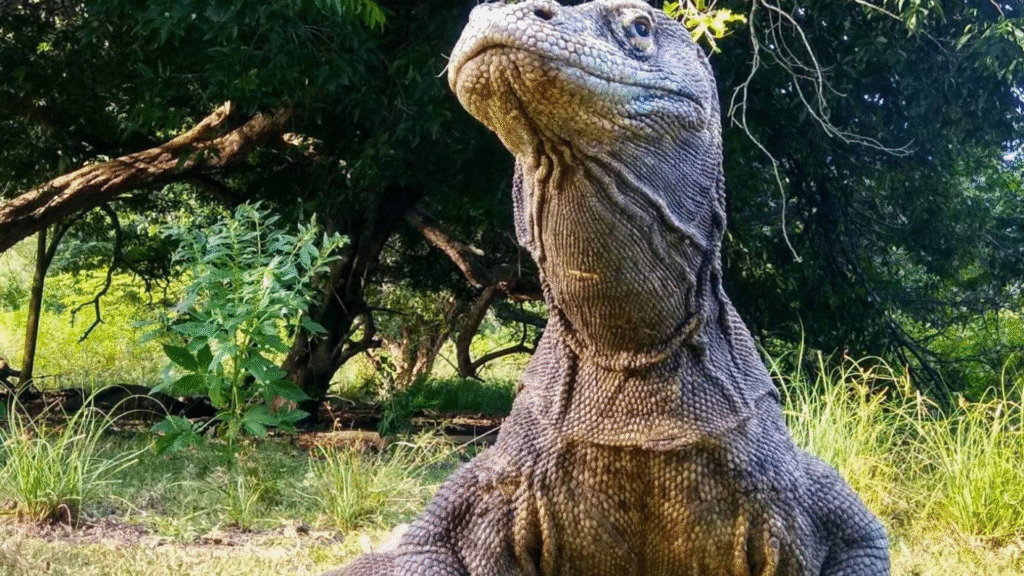
科莫多国家公园 — globally renowned for its unique fauna, especially the Komodo dragon — is also home to small coastal communities whose lives are deeply connected to both culture and nature. One such community is Pasir Panjang Village on Rinca Island, located within the park’s special settlement zone. This village represents an important example of how cultural values and community involvement can shape local development within conservation areas.
Integrating Culture into Development
Development within Komodo National Park has become inevitable as the Indonesian government, through the Ministry of Tourism, promotes the park as an exclusive tourism destination. The formation of a centralized authority to manage tourism development in this area underscores the importance of strategically planned programs — particularly those that involve 当地社区 directly.
However, any development initiative that directly interacts with village communities must consider cultural values as a foundation. For a village like Pasir Panjang, which has a highly homogeneous culture, preserving local traditions while embracing socioeconomic changes requires careful planning that involves villagers from the early stages of program design to execution.
Role of the Local Community
Pasir Panjang Village — home to over 1,500 residents — plays a key role in the broader management of the park, largely because its location on Rinca Island positions it close to significant conservation and tourism sites. Community members have a strong cultural identity that influences how development is accepted and implemented.
Researchers emphasize that successful village development programs must actively involve local residents rather than impose externally designed solutions. This means engaging villagers not only as beneficiaries but as decision-makers, capable of contributing traditional knowledge and cultural perspectives to development strategies.
Challenges and Strategies for Success
Development programs often encounter challenges when cultural values are perceived as incompatible with modernization. In Pasir Panjang, maintaining cultural continuity amidst rapid socioeconomic change is a central concern. The study underscores that ignoring cultural context can lead to resistance or even negative outcomes.
To ensure that development is both smooth and sustainable, planners must adopt strategies that:
- Respect and preserve local cultural traditions.
- Involve community members in planning and decision-making processes.
- Integrate cultural insights into tourism and economic activities so that development benefits local life without undermining heritage.
结论
Pasir Panjang Village exemplifies how culture and community participation can strengthen development outcomes in conservation contexts. By acknowledging the cultural richness of the village and involving its residents in meaningful ways, development projects can achieve both economic growth 和 cultural preservation. For areas within national parks — where environmental conservation and community welfare must co-exist — such culturally sensitive approaches are not only beneficial but essential.
在科莫多巨蜥的自然栖息地观赏它们,徒步探索壮丽的景色,与蝠鲼共游——立即预订您的旅程!, 联系我们



 English
  Arabic
  Chinese
  French
  German
  Italian
  Korean
  Russian
  Spanish
  Indonesian