
Nestled high in the misty mountains of Flores Island, Indonesia, the village of 瓦伊·雷博 is a truly unique cultural treasure often called the “云端之上的村庄。” Its dramatic setting — perched at around 1,100 meters above sea level and surrounded by lush forests — creates an enchanting atmosphere that perfectly complements the rich traditions preserved by the local Manggarai people.
Mbaru Niang: A Symbol of Manggarai Tradition
The most iconic feature of Wae Rebo is the traditional conical houses known as 姆巴鲁娘. These remarkable structures are architectural masterpieces that blend natural materials with deep cultural meaning. The word Mbaru means “house,” while Niang refers to its tall, rounded shape — symbolizing harmony, unity, and balance.
Constructed with wood, bamboo, and thatch, the houses rise up to about 15 meters in height, with roofs made from layers of palm fiber that help regulate the cool mountain climate.
Inside, each Mbaru Niang is divided into five distinct levels, each serving a vital function:
- Lutur – The ground floor used as the main living area.
- Lobo – A storage space for daily supplies and goods.
- Lentar – Where seeds for future planting seasons are kept.
- Lempa Rae – Reserved for storing food stocks, especially for dry seasons.
- Hekang Kode – The sacred topmost level, used for offerings to ancestors and spiritual rituals.
This intricate division reflects the Manggarai cosmology — a belief that life connects the physical with the spiritual world, with the highest level representing reverence for ancestors.
Community, Culture, and Rituals
The Mbaru Niang is much more than a dwelling. It embodies the spirit of community and togetherness — multiple families from the same clan live under one roof, sharing daily duties, celebrations, and life’s challenges.
Before any house is built or restored, a deeply symbolic Penti ceremony is performed. This ritual seeks blessings from ancestors and nature spirits, demonstrating the villagers’ profound spiritual connection to the land they inhabit.
Preservation and UNESCO Recognition
Wae Rebo’s traditional architecture once faced threats from modernization and migration. However, determined efforts by local leaders and cultural advocates helped revive and preserve the village’s heritage. In 2012, UNESCO awarded Wae Rebo the Award of Excellence for Cultural Heritage Conservation, honoring the community’s commitment to maintaining its authenticity and traditional values.
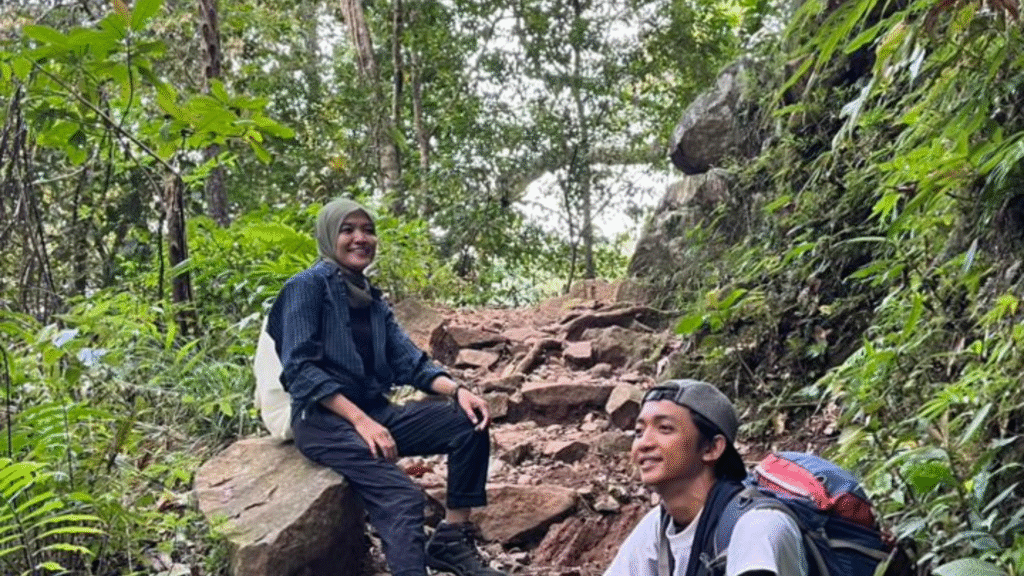
Today, eco-tourism has further strengthened Wae Rebo’s cultural resilience. Travelers from around the world trek through forested trails to witness this living tradition firsthand, contributing to the local economy while respecting the village’s customs.
A Living Legacy
The traditional houses of Wae Rebo are more than aesthetic wonders — they are cultural symbols that encapsulate the Manggarai philosophy of unity, respect for ancestors, and harmony with the natural world. Each visit to this remote village offers a rare opportunity to step into a way of life that remains deeply rooted in tradition, spirituality, and community values
体验毕生难忘的冒险之旅——立即预订科莫多国家公园旅游套餐! komodopadartour.com
 English
  Arabic
  Chinese
  French
  German
  Italian
  Korean
  Russian
  Spanish
  Indonesian