

Sumba Island, part of 동누사텐가라 주 in Indonesia, is a fascinating destination known for its dramatic savanna landscapes, rich cultural traditions, and deep historical roots. Often called the “Land of a Thousand Hills,” Sumba’s history stretches from early local traditions to encounters with European explorers and colonial powers.
Origins and Early History
이름 숨바 comes from a mix of local oral traditions, European explorers’ records, and historical accounts connected to the Majapahit Empire. Before the arrival of Europeans, Sumba was never fully ruled by outside empires, maintaining its own distinct culture.
European navigators mapped the island with different names, including Pulau Cendana (Sandalwood Island), Subao, Humba, 그리고 Sandwood — references that reflect its early recognition for natural wealth, especially sandalwood.
According to historical sources, Sumba was mentioned in texts such as the Negarakertagama from the 14th century, a Javanese chronicle written during the Majapahit Empire, which recorded extensive maritime campaigns in the archipelago. Around 1357, the Majapahit army under the command of Gajah Mada is said to have subdued parts of the region that included Sumba.
Later, in 1522, Portuguese sailors landed in Sumba and documented it in maps under names like Cendam 그리고 Subao. These early interactions laid the groundwork for increased European interest in the island.
It was not until 1866 that Sumba came under formal control of the Dutch East Indies, and later became part of independent 인도네시아 공화국 in the mid-20th century.
Sumba’s Indigenous People and Society
The island’s native people, known as the Sumbanese, are descended from Austronesian-Melanesian groups with a rich cultural legacy. Many still practice Marapu, a traditional animist belief system honoring ancestral spirits and nature, even as Christianity and Islam exist alongside it today.
Sumbanese society traditionally includes social layers such as rulers, warriors, commoners, and historically, others, each with unique customs, rituals, and rites. Festivals such as the famous 파솔라 horse competition — where riders engage in symbolic spear-throwing battle to ensure a good harvest — reflect deep spiritual ties between people, land, and ancestors.
Meadow-like plains and hilltops stretch across the island, feeding the famed Sandalwood ponies — resilient horses central to Sumbanese culture, ceremonies, and transportation. These ponies and the island’s iconic ikat weaving traditions further highlight Sumba’s blend of natural life and cultural creativity.
Traditional Clothing and Social Symbols
Sumbanese traditional dress reflects the island’s societal values and status symbols. Men wear garments like the hinggi with headcloths called tiara patang, adorned with bracelets and symbolic ornaments. Women’s clothing combines various woven textiles like lau mutikau 그리고 lau pahudu, accented with necklaces and headdresses that signify identity and social belonging.
These textile arts are part of a broader tradition of weaving and craftsmanship that not only showcases Sumba’s aesthetic heritage but also tells stories of lineage, community, and belief.
The Land and Its Legacy
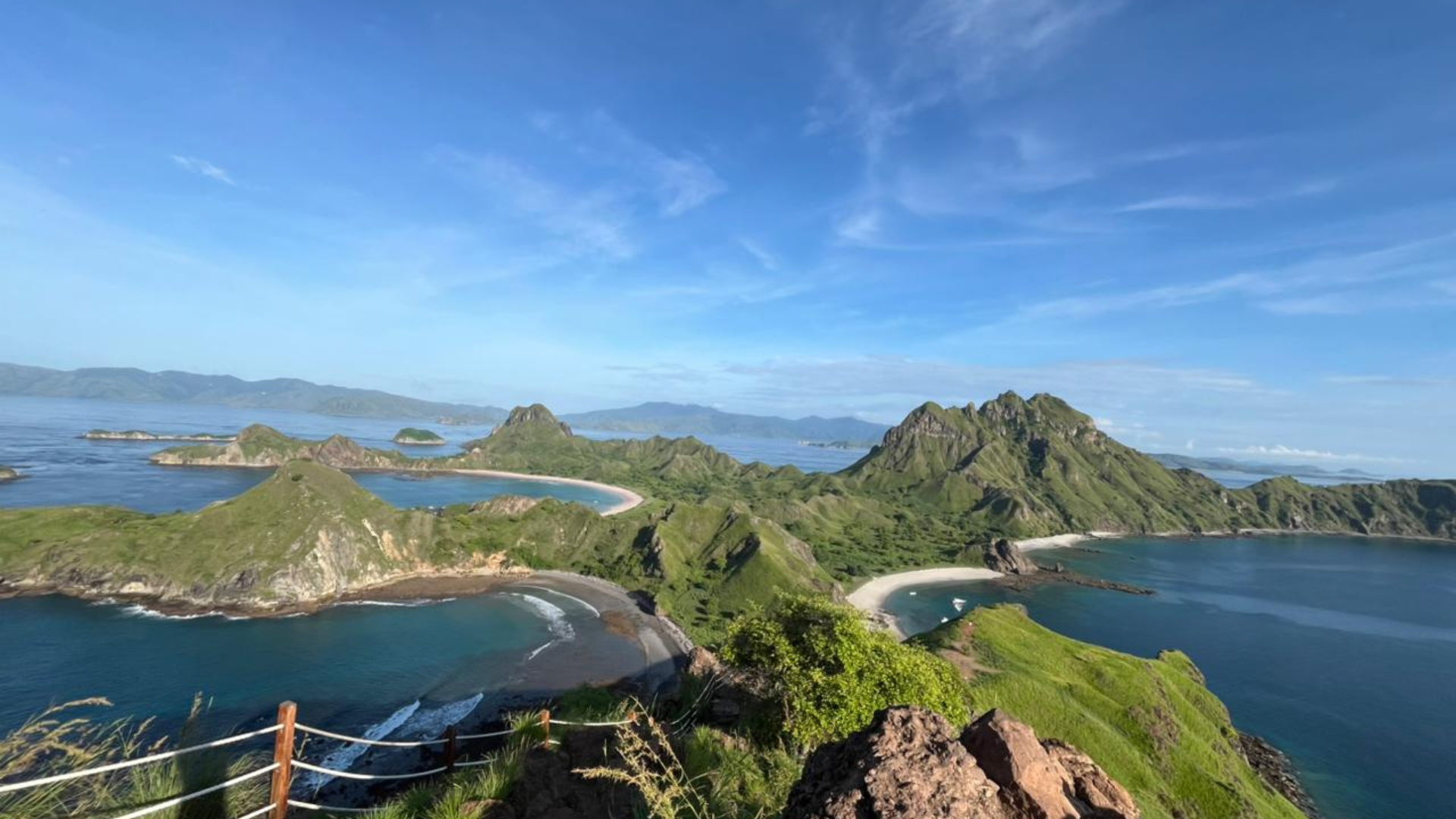
Sumba’s rugged terrain of savanna grasslands and rolling hills gives it a dramatic, almost elemental quality. With a landscape shaped by centuries of human settlement and natural forces, the island remains one of Indonesia’s most compelling and beautiful destinations.
Today, visitors come not just for breathtaking scenery but to learn about the living traditions, spiritual heritage, and historical resilience that define Sumba. From the hilltops of the “Land of a Thousand Hills” to the rhythms of daily life rooted in ancient beliefs, Sumba continues to enchant all who journey to its shores
잊지 못할 여행을 떠날 준비가 되셨나요? 완벽한 투어 패키지를 선택하고 코모도에서의 모험을 시작하세요!. 문의하기
 English
  Arabic
  Chinese
  French
  German
  Italian
  Korean
  Russian
  Spanish
  Indonesian