
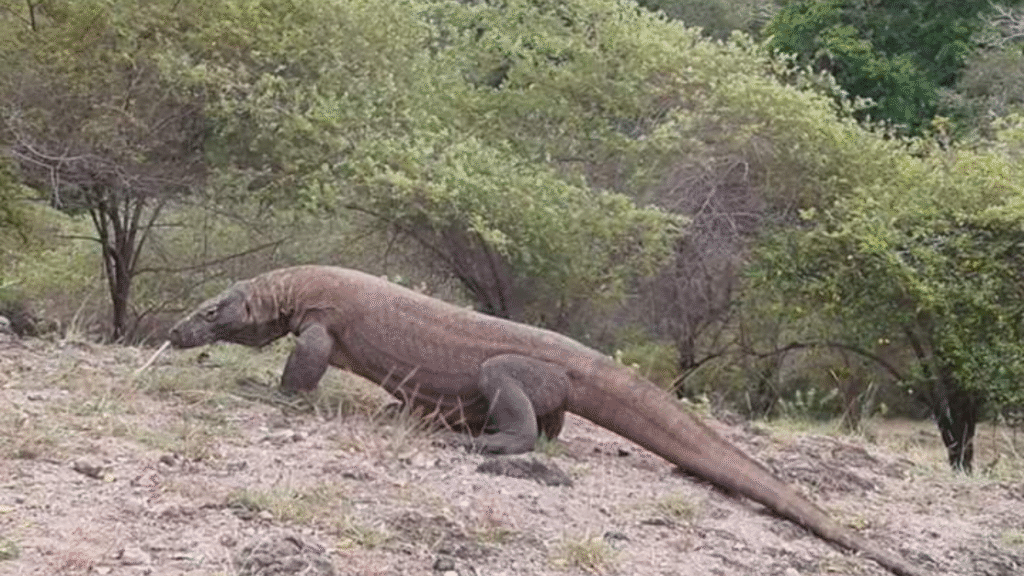
(Based on scientific research linked from the Komodo National Park site)
The Komodo dragon (Varanus komodoensis) is the largest living lizard on Earth and a top predator native to Indonesia’s Komodo National Park. Scientists have studied the blood values of this iconic species to better understand its health, especially by comparing wild individuals with those kept in captivity.
🧪 Purpose of the Study
Researchers collected blood samples from 33 free-ranging Dragons de Komodo in their natural habitat and from 44 individuals housed in zoos in Indonesia and abroad. The goal was to assess normal physiological values and identify any health differences between wild and captive animals.
📊 What Was Measured
The study evaluated a wide range of health indicators, including:
- Complete Blood Counts (CBC) – measures of red and white blood cells.
- Clinical Chemistry Profiles – tests that assess organ function.
- Vitamin Levels – especially vitamins A, D₃, and E.
- Minerals – essential elements like calcium and phosphorus.
- Toxicology – screening for environmental toxins.
🌿 Key Findings
1. Immune Function and Blood Cells
- Wild Dragons de Komodo tested positive for hemogregarines (blood parasites), while captive animals did not show this.
- Captive dragons generally had higher white blood cell counts than wild ones — possibly indicating stress or immune differences due to husbandry conditions.
2. Vitamins and UV Exposure
- Vitamin A and E values were established for baseline health.
- Vitamin D₃ levels were especially notable:
- Dragons with daily exposure to ultraviolet B (UVB) sunlight — whether wild or captive outdoors — had significantly higher vitamin D₃ levels.
- Captive dragons kept only indoors without UVB had lower vitamin D₃, which can affect bone health and metabolism.
- Improving UVB exposure using proper lighting helped raise vitamin D₃ levels in captive individuals to match wild levels.
3. Diet and Toxins
- Wild Dragons de Komodo did not show evidence of notable nutritional or toxic issues in their blood.
- Tests for chlorinated pesticides found only very low background levels, suggesting no significant contamination.
🧬 Health Implications
The results highlight several important points for conservation and captive care:
- Natural sunlight exposure is crucial for healthy vitamin D metabolism in Dragons de Komodo and should be included in zoo enclosures or managed habitats.
- Higher white blood cells in captivity may reflect stress or environmental differences, indicating that improved husbandry could benefit dragon health.
- Establishing baseline blood values helps veterinarians and conservationists monitor individual and population health, detect diseases early, and adapt care based on scientific reference ranges.
Vivez l'aventure d'une vie ! Réservez dès maintenant votre forfait pour le parc national de Komodo sur komodopadartour.com



 English
  Arabic
  Chinese
  French
  German
  Italian
  Korean
  Russian
  Spanish
  Indonesian