

Komodo National Park — famous for its dramatic landscapes, crystal-clear waters, and the world’s largest lizard, the Dragón de Komodo — is one of Indonesia’s most unforgettable destinations. But beyond the natural beauty and adventure lies an important question for every traveler: Is it safe to visit? The answer is yes — as long as you understand the safety systems in place and follow the rules designed to protect both visitors and the environment.
1. Official Safety Management by Park Authorities
The park’s safety system isn’t informal or lax — it’s managed by the Indonesian government through Balai Taman Nasional Komodo, a conservation authority under the Ministry of Forestry. This agency supervises zoning, enforces rules, and ensures that tourism activities follow established safety and environmental guidelines. Rangers and staff are trained to protect both visitors and wildlife.
2. Staying Safe Around Komodo Dragons
Seeing Komodo dragons is often the main highlight of a visit, but these animals are wild predators. To stay safe:
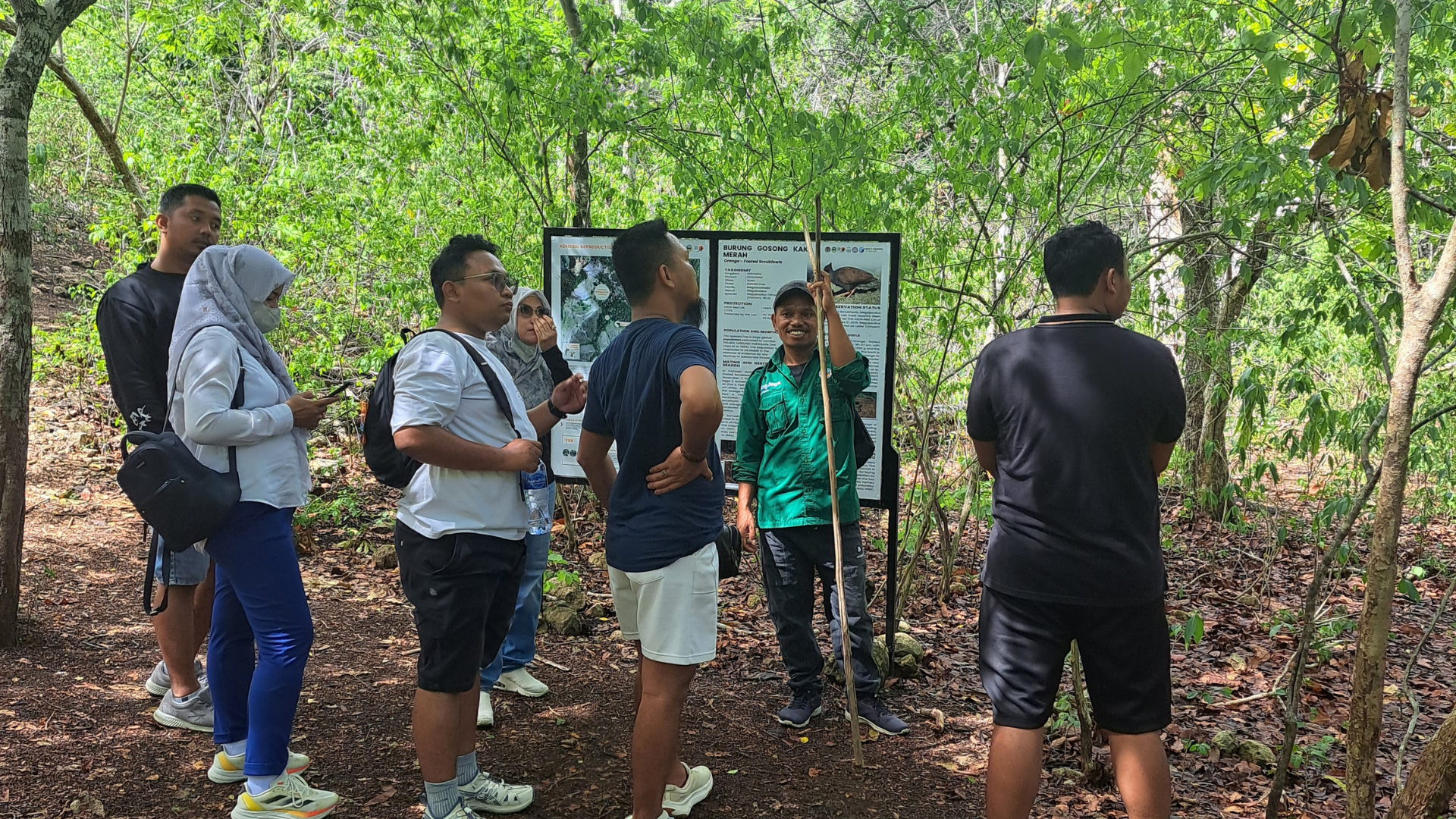
- Always be accompanied by a trained ranger. Guides are equipped to interpret dragon behavior and keep groups out of danger.
- Keep a safe distance. Never try to touch, feed, or lure dragons — even if they appear calm or sleepy.
- Avoid sudden movements and loud noises. These can startle dragons and increase risk.
- Stay on designated paths at all times. The trail system is designed for your safety and to minimize disturbances to wildlife.
Other safety tips from conservation experts include avoiding strong food scents that could draw dragons’ attention and wearing neutral-colored clothing that won’t attract unwanted attention.
3. Safety During Land Activities & Trekking
Exploring the islands on foot can be hot, rugged, and physically demanding. To stay safe:
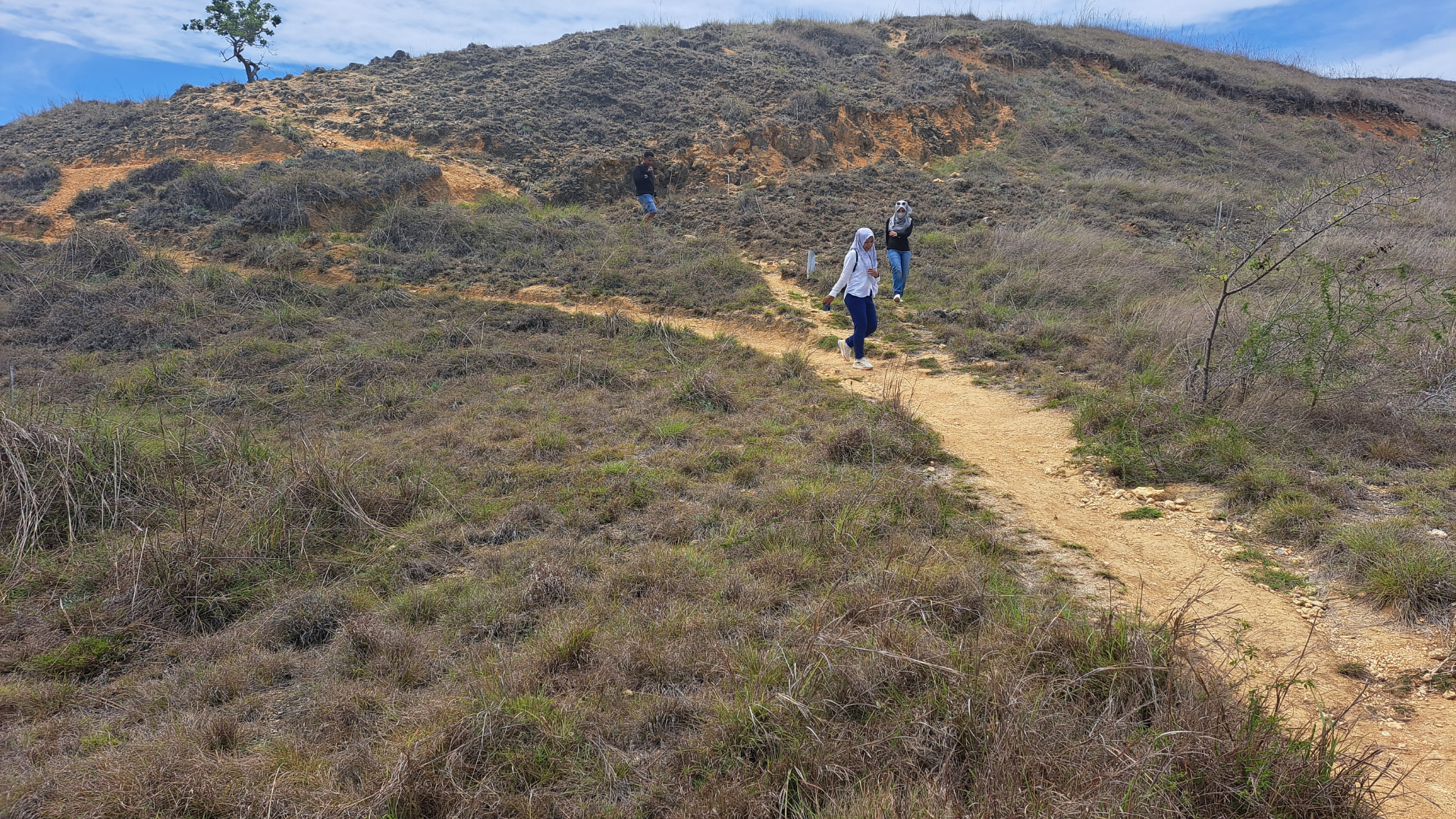
- Wear sturdy shoes and comfortable clothing. Trails can be rocky or uneven.
- Carry enough water and sun protection. The climate is often dry and intense.
- Follow your guide’s instructions. They will advise you when to walk, stop, or turn around safely.
Never wander off alone — even a seemingly harmless deviation from the path can put you at risk or disturb wildlife.
4. Safety on the Water: Sailing, Snorkeling & Diving
Parque Nacional de Komodo isn’t just about land — its rich marine environment draws snorkelers and divers from around the world. Safety here includes:
- Strict adherence to safety briefings before snorkeling and diving. Guides explain currents, sea conditions, and communication signals.
- Use of properly maintained gear, including life jackets and buoyancy aids.
- Experienced crew and captains who understand the dynamics of the local seas.
- Monitoring weather and sea conditions to adjust routes and activities as needed.
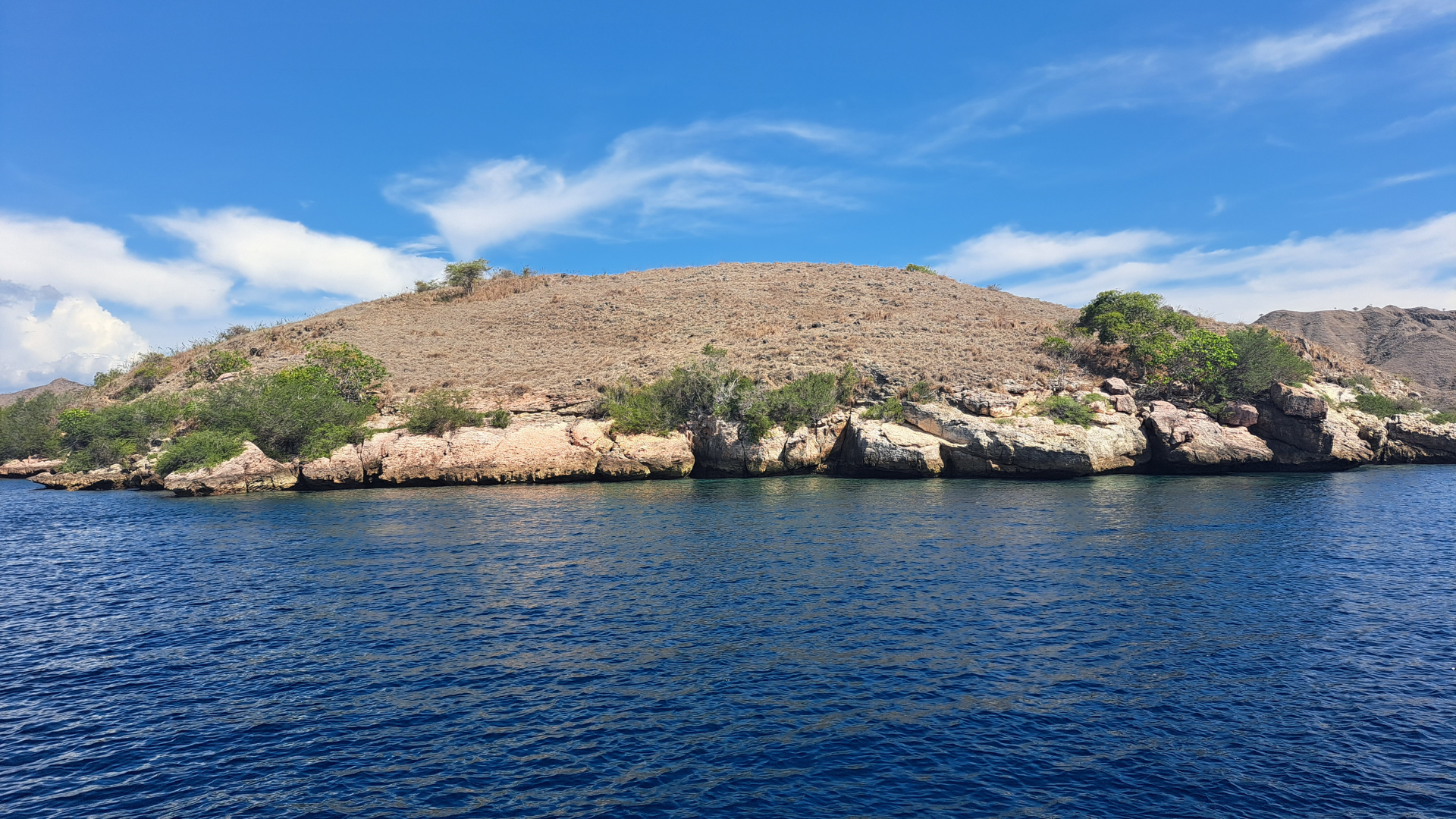
These protocols help ensure enjoyable and secure experiences both above and below the water.
5. Practical Tips for a Safe Visit
To make your trip as smooth and safe as possible:
- Choose an accredited tour operator, as experienced providers follow safety procedures and handle logistics.
- Listen during safety briefings and ask questions if anything is unclear.
- Stay hydrated and be honest about your physical limits during hikes.
- Avoid risky photo stunts or impulsive actions near wildlife or terrain that looks interesting but may be unsafe.
Conclusion: Safe and Responsible Travel
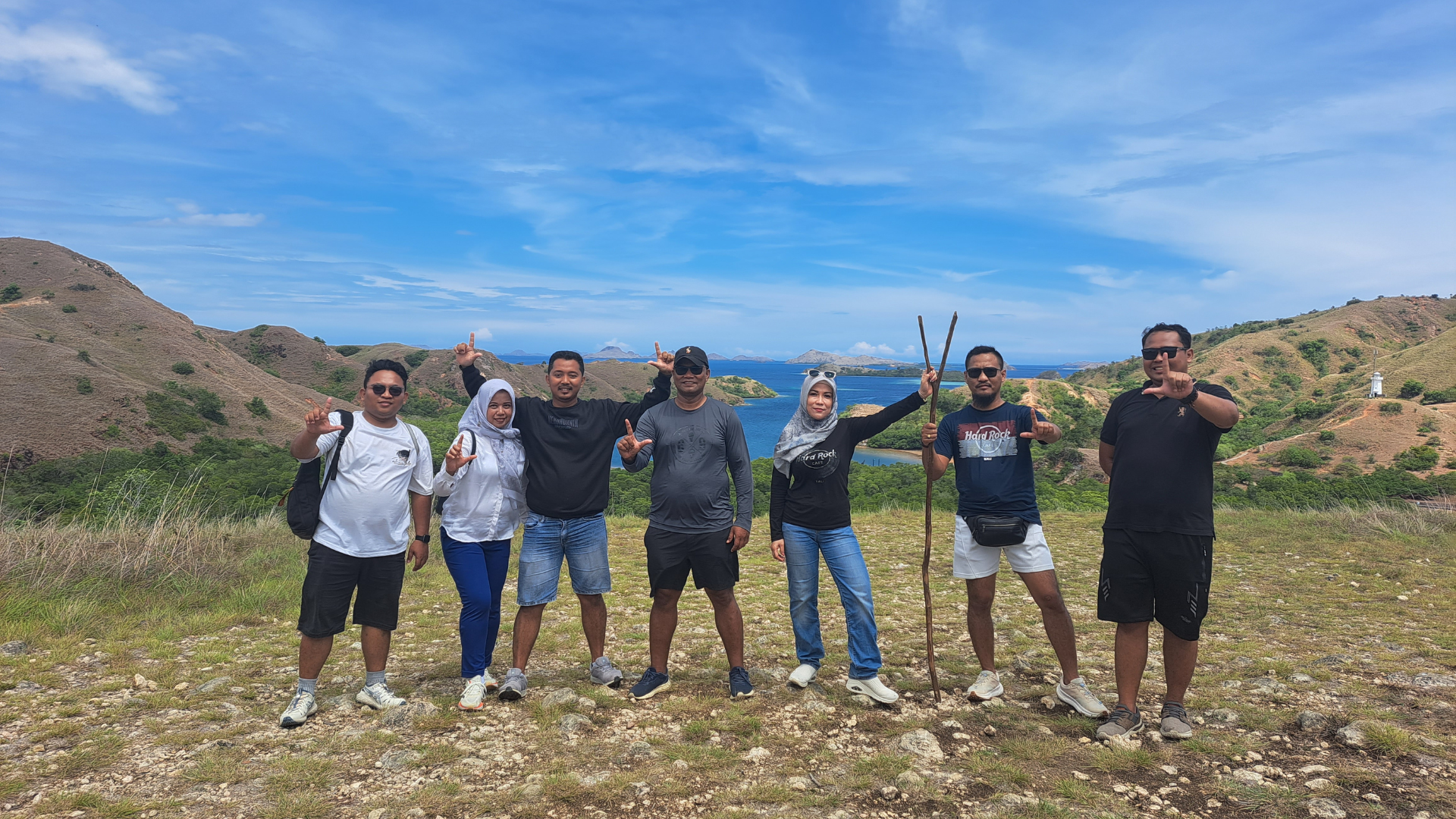
Komodo National Park is safe to visit when travelers respect rules, follow ranger guidance, and prepare appropriately. The safety systems established by park authorities, combined with professional tour support and individual awareness, make it possible to enjoy one of the world’s most spectacular wilderness areas — from rugged islands to vibrant underwater ecosystems — with confidence and peace of mind.
“Join us for a thrilling exploration of Komodo’s iconic islands — from Padar’s viewpoints to crystal-clear snorkeling spots, Contáctenos
 English
  Arabic
  Chinese
  French
  German
  Italian
  Korean
  Russian
  Spanish
  Indonesian