

Parque Nacional de Komodo is one of Indonesia’s most extraordinary natural treasures — a place where ancient reptiles, dramatic landscapes, and vibrant underwater life come together in an unforgettable experience. Located in the Islas Menores de la Sonda entre Sumbawa y Flores, this park was established in 1980 with the primary goal of protecting the endangered Dragón de Komodo — the world’s largest living lizard.
A Sanctuary for the Legendary Komodo Dragon
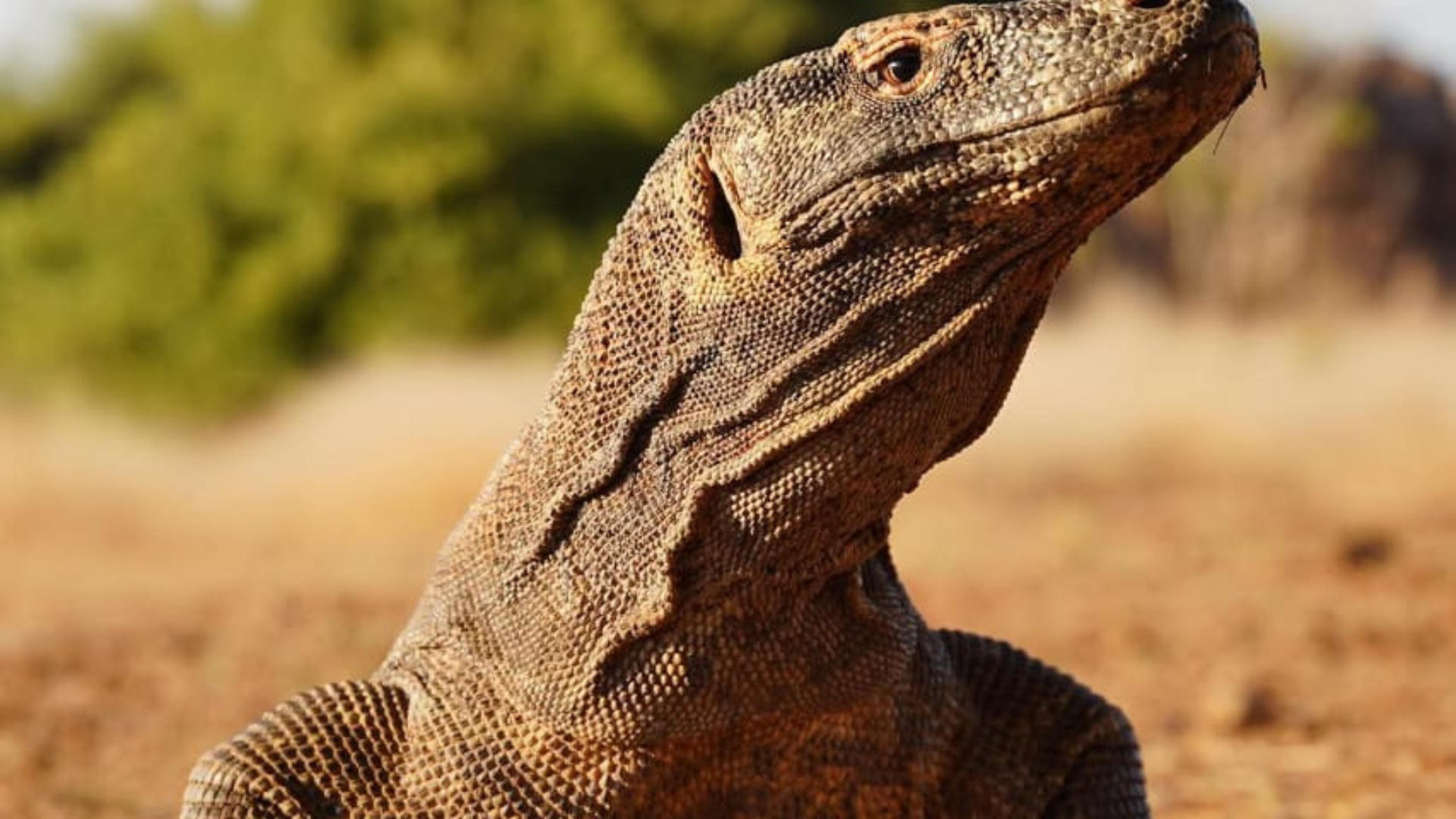
The park is globally famous as the only natural habitat of the Dragón de Komodo (Varanus komodoensis), a prehistoric-looking giant lizard that can grow up to 3 meters (10 feet) in length. These remarkable reptiles are of great interest not only to tourists but also to scientists studying evolution and biodiversity.
Komodo dragons are solitary creatures, often feeding on carrion but also capable of hunting deer, wild pigs, and smaller animals. Their keen sense of smell helps them locate prey from several kilometers away.
Stunning Landscapes Above and Below Water
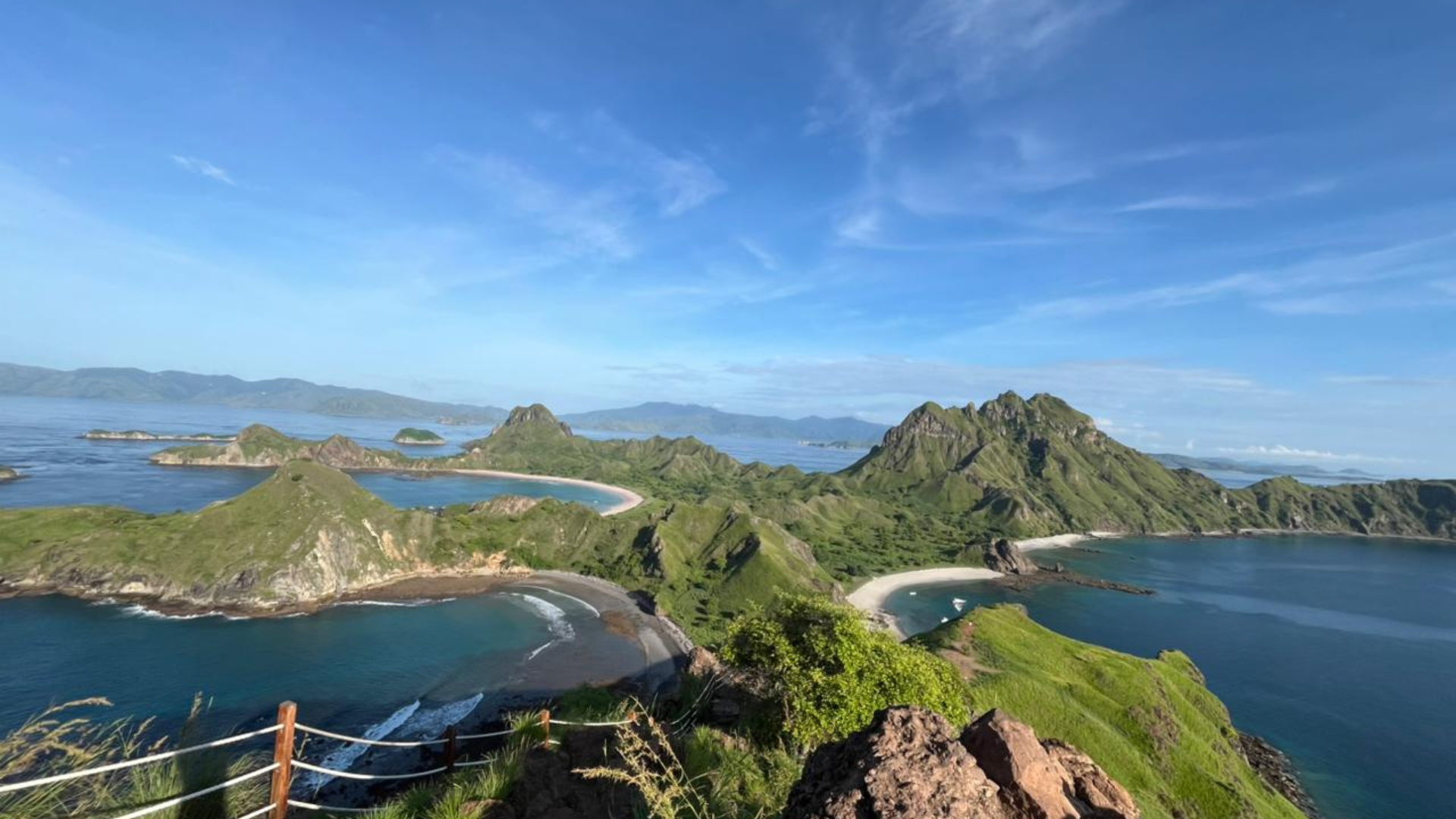
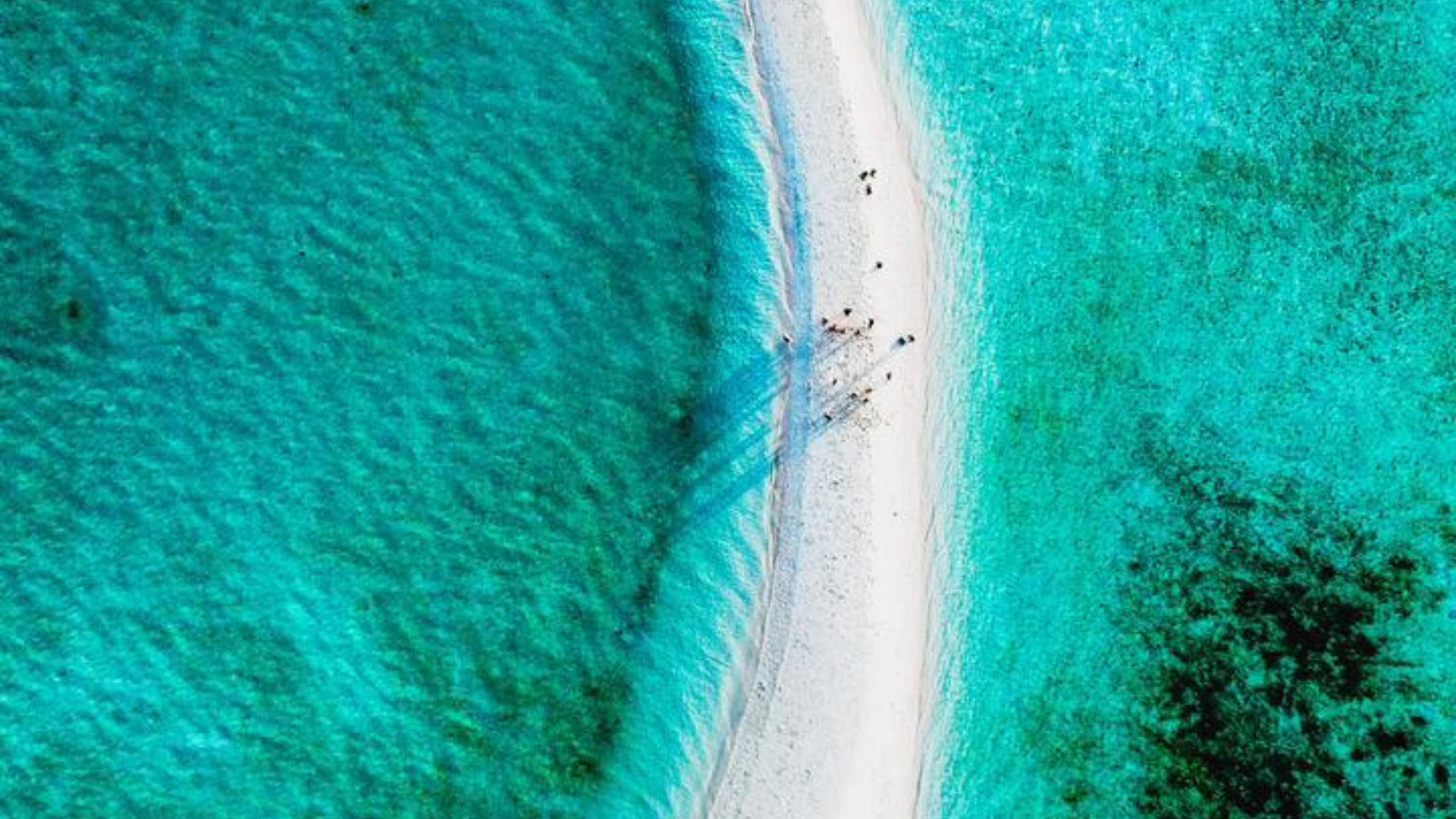
Komodo National Park is not just about dragons — it’s also known for its dramatically rugged terrain. The islands feature volcanic hills, dry savannah, thorny shrubs, and pristine white beaches framed by turquoise waters.
Underwater, the park becomes one of the world’s most biodiverse marine environments. It sits within the Triángulo de coral, home to:
- More than 1,000 species of fish
- Over 260 kinds of reef-building coral
- Marine mammals like dolphins and whales
- Sea turtles and manta rays that frequent the reef systems
These rich waters make Komodo a top destination for snorkeling and scuba diving.
Islands and Ecosystems
The national park includes three major islands — Komodo, Rinca, y Padar — along with dozens of smaller islands. Each island offers different landscapes and wildlife experiences:
- Isla de Komodo is where most visitors see dragons in their natural habitat.
- Isla Rinca provides another excellent place to observe the dragons in a less crowded setting.
- Isla Padar is famous for its iconic panoramic viewpoints and hiking trails.
These islands also feature diverse vegetation, from open savannah woodlands to monsoon forests and mangroves.
Conservation and Global Recognition
Komodo National Park’s unique biodiversity and landscapes have earned it recognition as both a Patrimonio de la Humanidad por la UNESCO y un Man and the Biosphere Reserve. This status highlights its global importance for conservation and scientific study.
To preserve fragile ecosystems and manage increasing interest from travelers, Indonesian authorities have introduced visitor limits and new permit systems — including caps on daily visitors and controlled access to key islands like Padar.
Visiting Komodo National Park
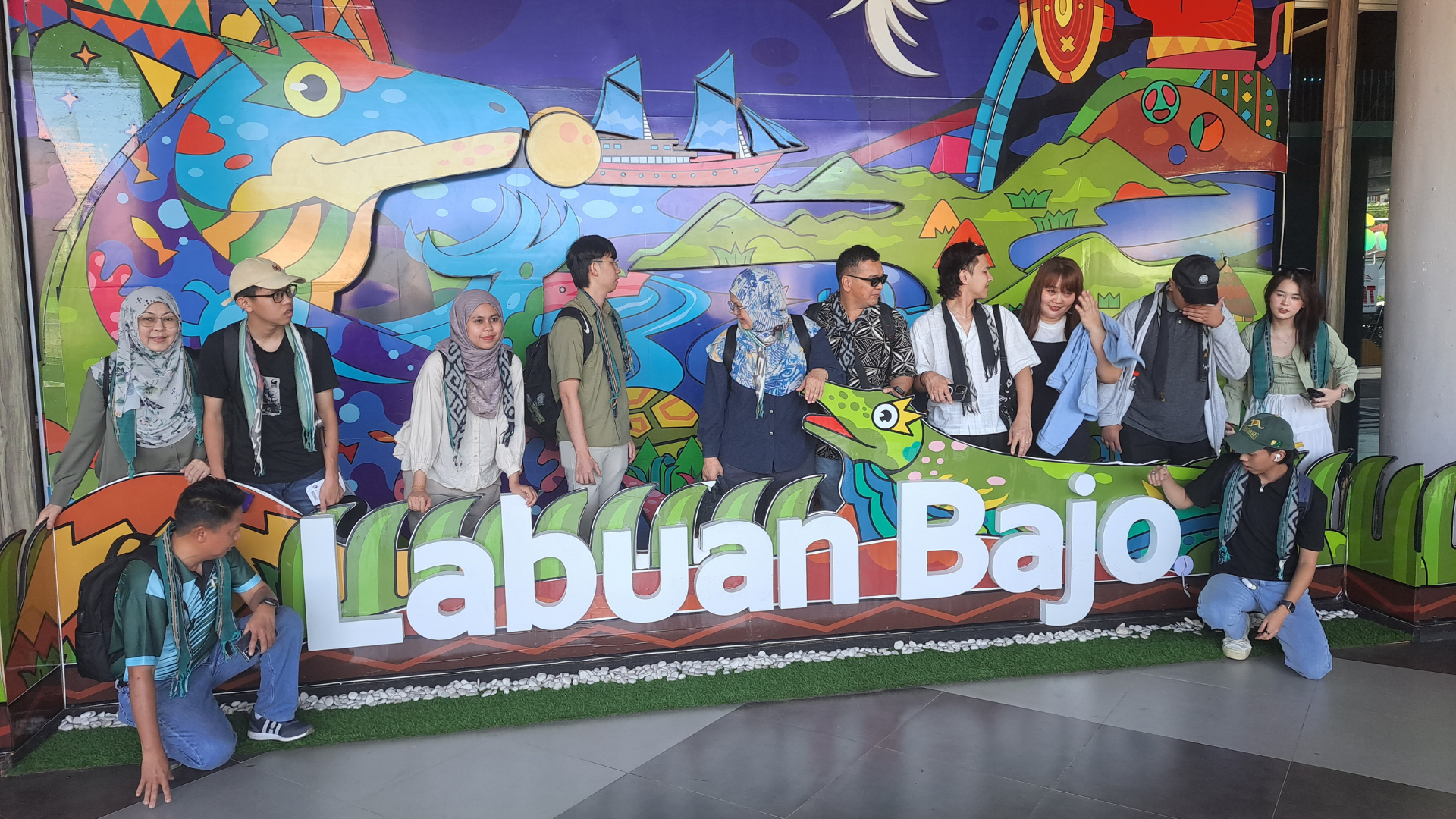
Most visitors begin their journey from Labuan Bajo, a coastal town on Flores Island that serves as the main gateway. Boat tours and live-aboard cruises allow travelers to explore multiple islands, enjoy snorkeling or diving, and observe wildlife from both land and sea.
Whether trekking through rugged trails, watching dragons roam freely, or swimming among colorful coral reefs, a visit to Komodo National Park offers a una aventura única en la vida — a rare opportunity to witness nature’s wonders in one of the world’s most spectacular wildlife landscapes.
Experimente la aventura de su vida: reserve ahora su paquete turístico al Parque Nacional de Komodo en komodopadartour.com
 English
  Arabic
  Chinese
  French
  German
  Italian
  Korean
  Russian
  Spanish
  Indonesian